PhD Research Profiles
-
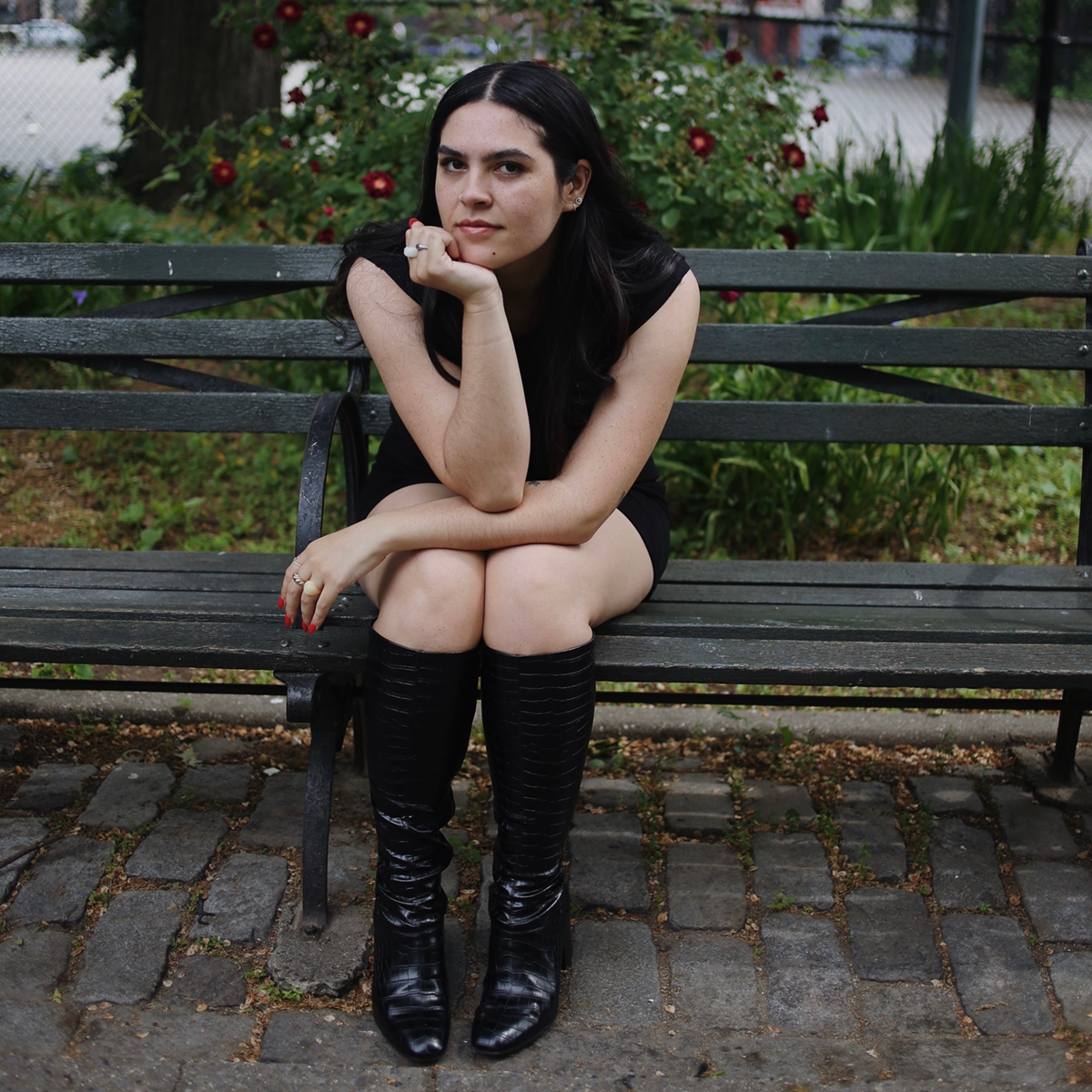
Sinéad Anae
Liquid Ambits: The Queer Oceanic through Cinematic Submersion and Emergent Media Ecologies
My dissertation presents an analytical scaffolding with which to frame readings of queer and ecological cinema and other new emergent media artwork. Using elements of the oceanic—fluidity, submersion, buoyancy—to navigate toward transsensorial inquiry, my work also aims to reposition queerness into the realm of the natural.
Read More. -
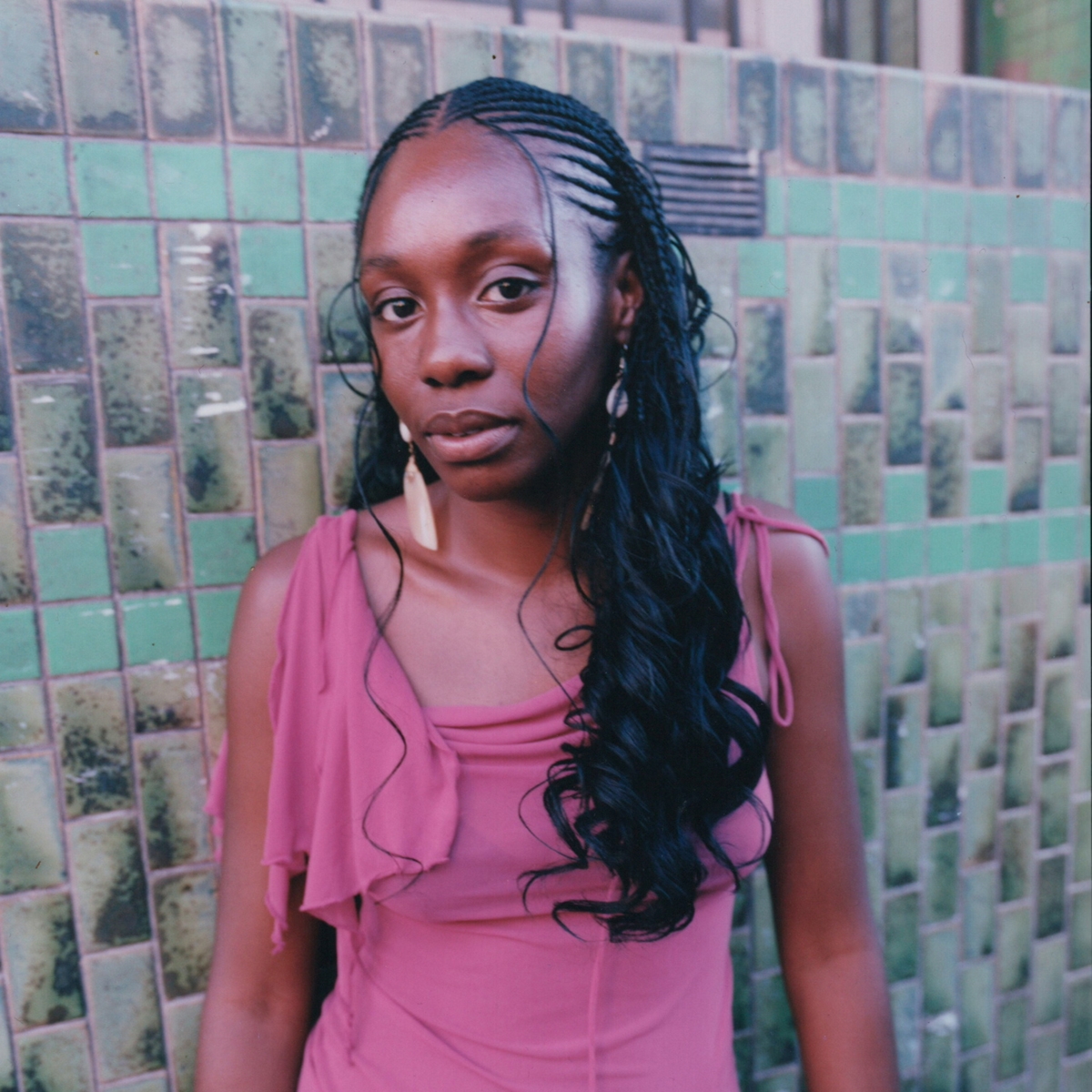
Afi Venessa Appiah
My research advocates for the conceptual and analytical application of eroticism as an essential yet overlooked lens in African cinematic studies. My dissertation will examine representations of sexuality, the erotic, and the (semi-)nude Black form in African and diasporic cinema, demonstrating how filmmakers redefine the Black female body in the visual field—from the wounded signifier to an embodied vessel for liberation. Through the universal question of Eros, I approach cinema as an intuitive site of inquiry intersecting with broader discourses in historiography, visual culture, philosophy, (post)colonialism, migration and diaspora, socio-economic dynamics, and (post)nationalism.
Read More. -
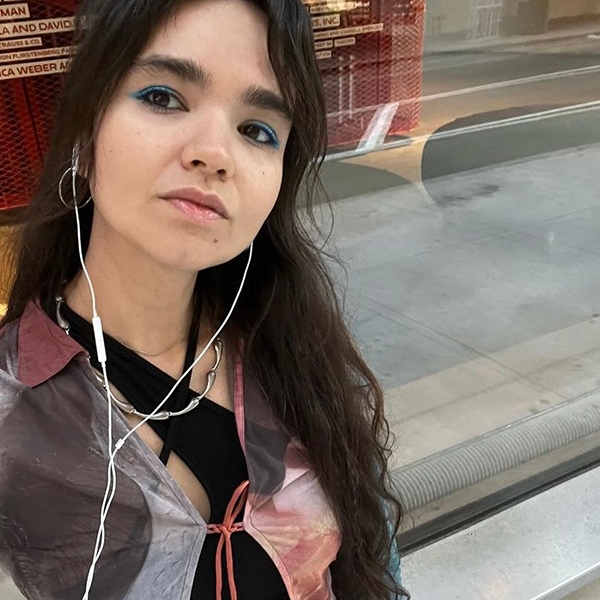
Andrea Avidad
Sonic Trouble: Materialist, Feminist Genealogies of Acousmatic Sound & Voice
My dissertation traces genealogies of Acousmatic Sound and Voice in both cinematic and non-cinematic "new" media through a materialist feminist lens, moving away from formalist analytics.
Read More. -
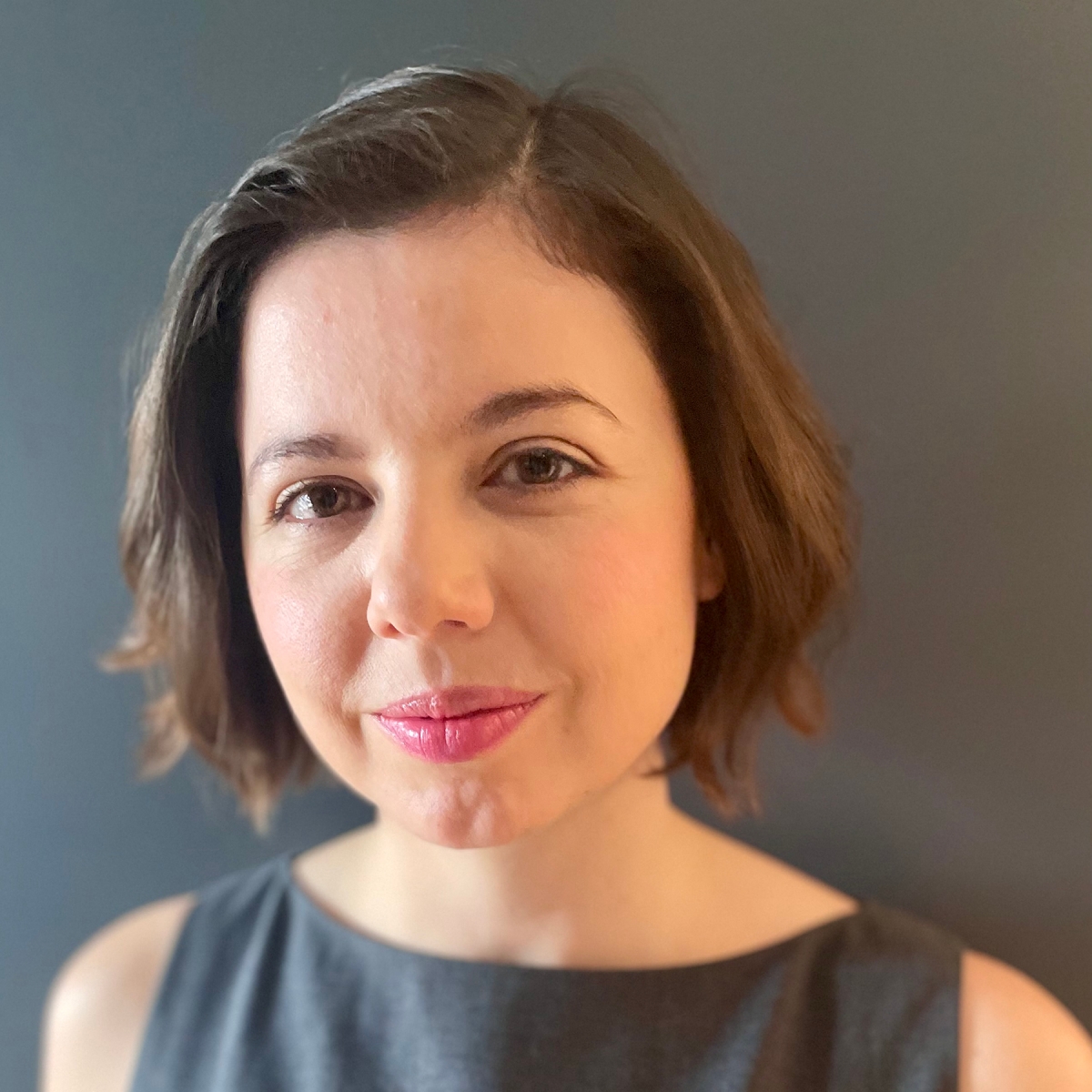
Leticia Berrizbeitia Añez
Cinema is not a Luxury: A Feminist Diasporic Rewriting of Latin American Cineastes Prudencia Grifell and Margot Benacerraf
Leticia Berrizbeitia Añez is a Ph.D. candidate in the Department of Cinema Studies at New York University. Her research focuses on feminist film historiography, Latin American film studies, and its intersections with the experiences of gender and migration. Her interests include gender and queer studies, contemporary ethics, film-philosophy, and non-fiction media.
Read More. -
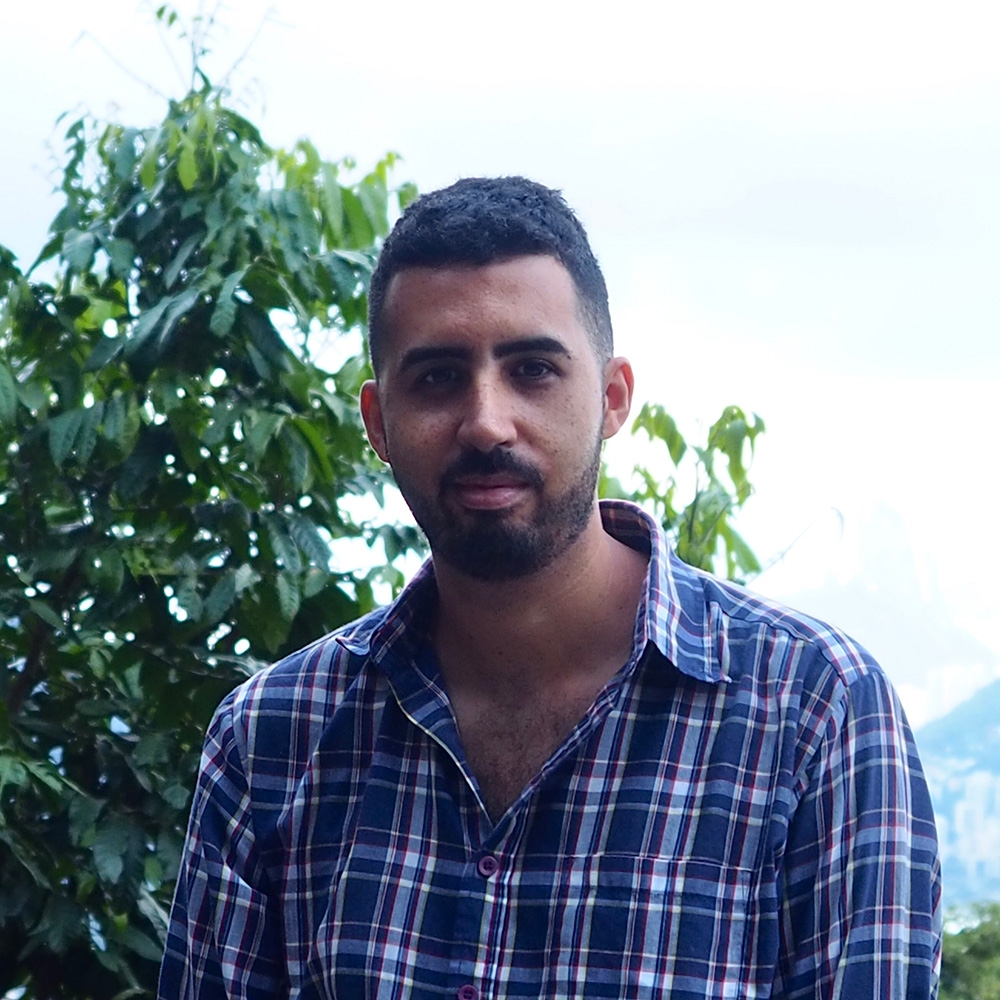
Leonard Cortana
Memorializing assassinated anti-racist activists: transmediatic imaginaries and the rise of transnational and intersectional figures of resistance
My doctoral research examines the transnational circulation of narratives about racial justice and activist movements between Brazil, South Africa, France & overseas departments, and the US, emphasizing the memorialization of political assassinations and the spread of the legacy of assassinated anti-racist activists.
Read More. -
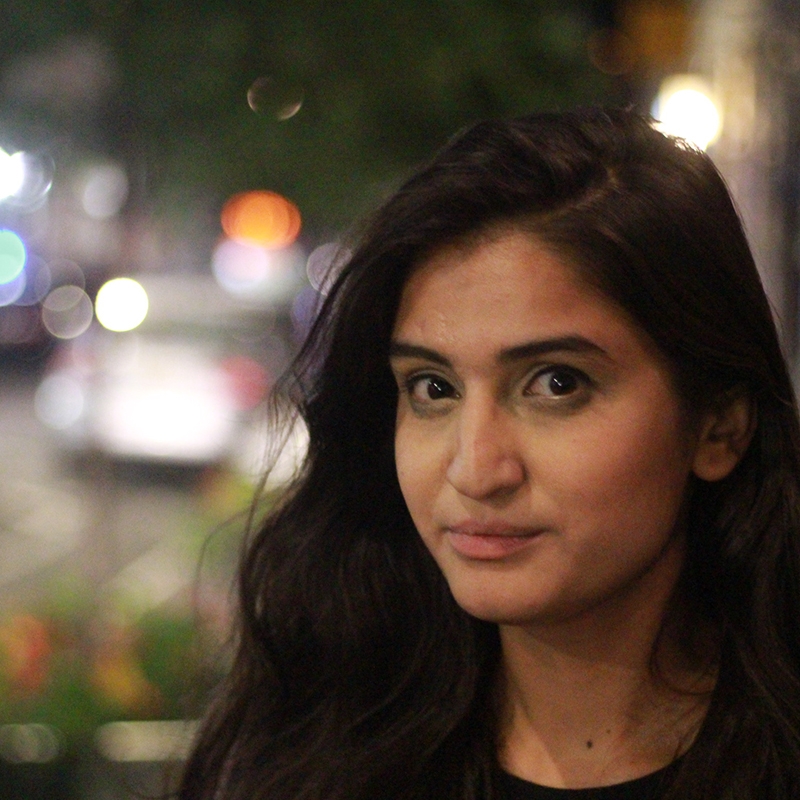
Anila Gill
The Partitioned Self: Photography, Cinema, and Civic Memory in Lahore and Bombay (1930-1950)
My dissertation offers three bodies of texts - photography, memoir, and cinema – as critical sites where Indian subjects worked through epistemic uncertainties under colonial regimes of sight and control. Deploying a method of anti-colonial untimeliness to project the Partition of India as a decelerated, unfinished historical moment, my research ultimately understands Partition as a process that dispersed fields of vision and produced divided perceiving selves.
Read More. -
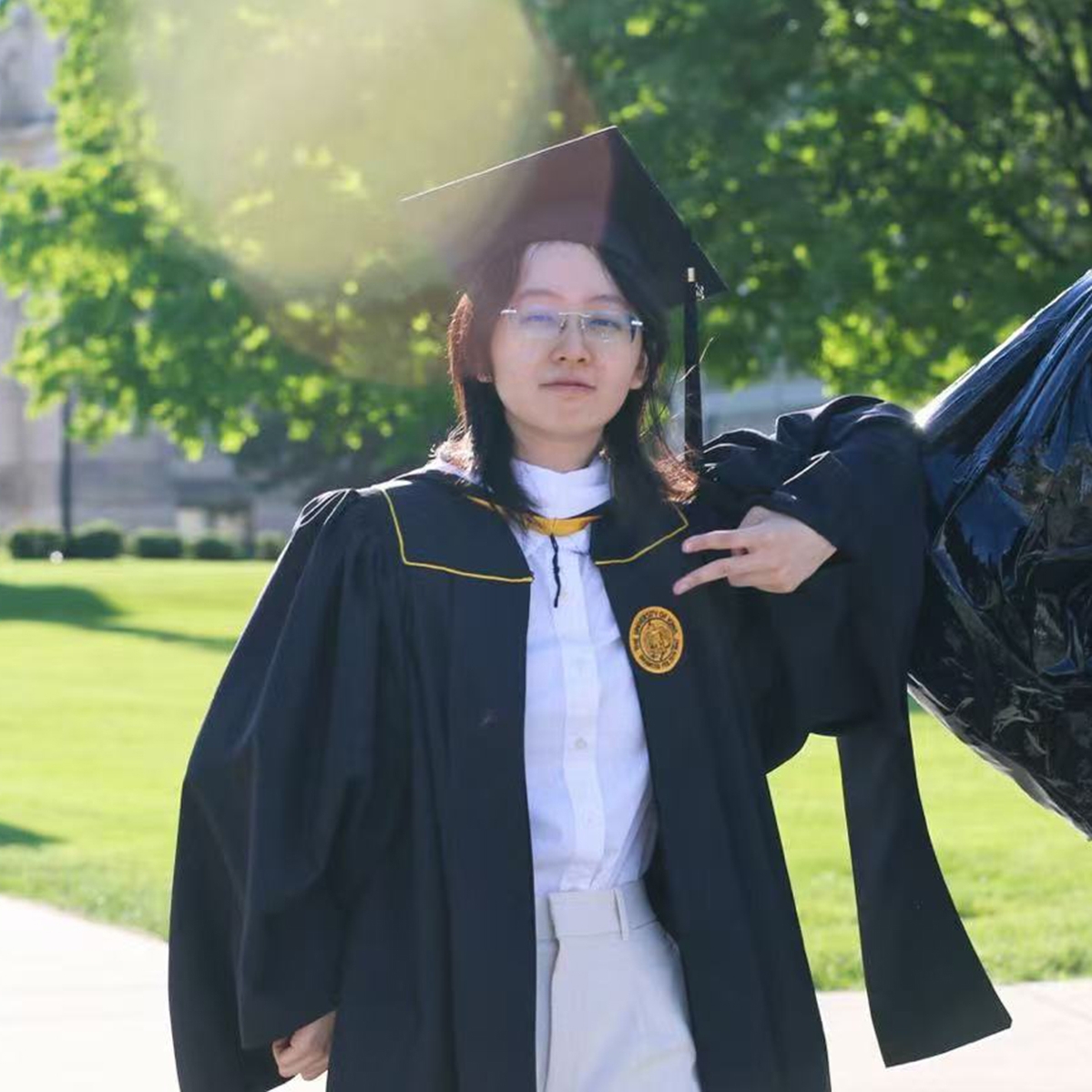
Yuqin He
Yuqin He is currently a first-year doctoral student. She received her master’s degree in film studies at the University of Iowa. Her research interests include Sinophone cinema, animation studies and queer theory.
Read More. -
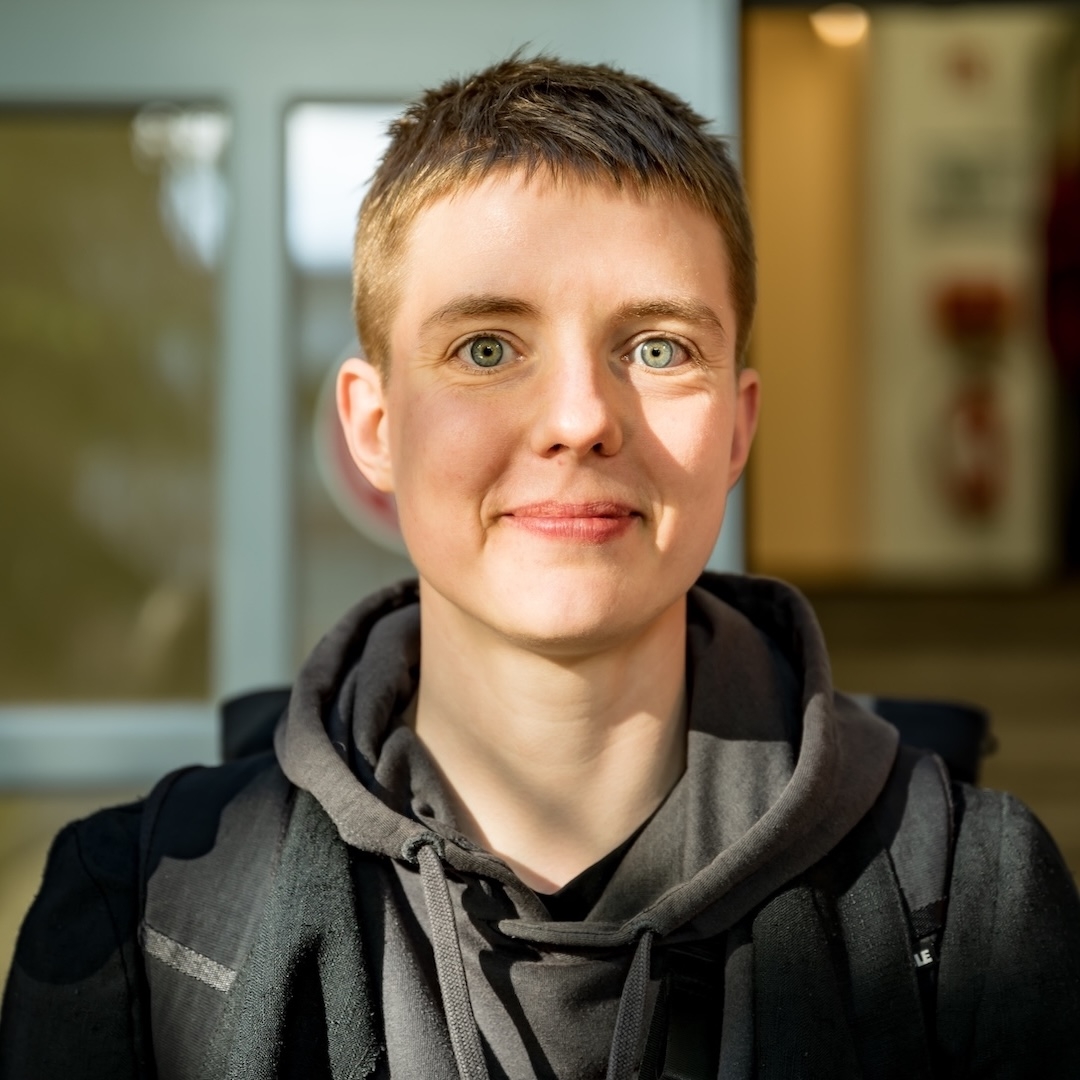
Sophie Holzberger
Visions of Labor: Collective Film Work and Feminist Activism in West Germany, 1970s-1990s
My dissertation examines the politics of collective filmmaking in West German feminist film history between the 1970s-1990s focusing on activist films and videos from different feminist movements.
Read More. -
Da Ye Kim
Finding Virtual Reality: An Atlas of VR Sites and Communities
My dissertation maps out the diverse cinematic sites of Virtual Reality (VR) and explores the people who build, occupy, and politicize those sites. The composite, transdisciplinary method envisions an extensive cartography of the VR mediascape, paying a particular attention to sites and corporeal bodies that mobilize, structure and capitalize the VR ecosystem. I consider this project as a current historical research as VR is in its vibrant process of becoming.
Read More. -
Ian Russell Lehine
Black Soil Sandbox: The Spatial Lives of Ukrainian Videogames
“Black Soil Sandbox” explores the digital and physical spaces of Ukrainian videogames through the lenses of media history, postmemory, eco-media, ludology, and game production. It locates the spaces of Ukrainian games within a history of cine-spatial representation and asks how they play a part in “putting Ukraine on the map”. The project will feature interviews with Ukrainian videogame developers, textual analyses of gameworlds, and a close look at the transnational communities of modders that collectively reimagine those games.
Read More. -
Sofie Cato Maas
The formal and aesthetic enactment of mourning in experimental cinema
Sofie Cato Maas’ PhD research is on the formal and aesthetic enactment of mourning in experimental cinema, focussing on the work of Christopher Harris, Peggy Ahwesh, and Phil Solomon.
Read More. -
Negar Taymoorzadeh
Melodramatic Responses to Modernization across Turkey's Yesilcam cinema and Iran's FilmFarsi
I work on transnational melodrama, particularly on the historical interconnections between Egyptian Golden Age melodrama, Turkey’s popular cinema (Yesilcam), and Iran’s pre-revolutionary popular Cinema (FilmFarsi).
Read More. -
Juan Camilo Velásquez
One Hundred Years of Simultaneity: A Comparative Analysis of Interwar and Contemporary Visual Media
My dissertation compares theories and techniques of simultaneity in interwar cinema and in contemporary audiovisual media. Superimpositions, split screens, rear projections, blue screens, and even the union of sound and image introduced a new set of representational possibilities as two or more durations could coexist in the same image, which in turn produced new modes of spectatorship. I argue that to understand contemporary habits of distraction and aesthetic contemplation, it is crucial to consider this history of simultaneity in the moving image.
Read More. -
Chenghao Clone Wen
Clone (Chenghao) Wen's research interests center on the transnational avant-garde, media archaeology, animism and decoloniality in the Global South. He is also an award-winning documentary filmmaker, a performance art curator, and member of Asia Art Association (Singapore).
Read More. -
Ann Lyuwenyu Zhang
Keeping Other Memories: Inside Unofficial Chinese Moving Image Archives
Situated between historiography and cultural studies, my dissertation records and elucidates the cultures of various scales of unofficial Chinese moving image archives. It theorizes the archive as an important yet overlooked nexus point that functions as a site of memory-making activities generating cultural discourses in contemporary China.
Read More.