Nessa Norich
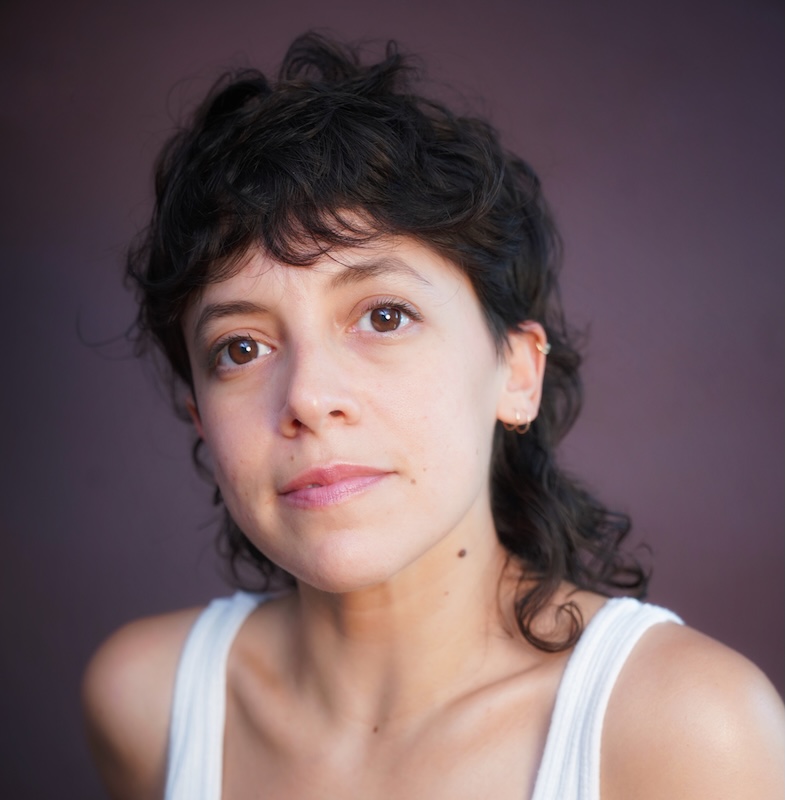
M.A. Arts Politics Class of 2026
Master Equivalent in Physical Theater from L'École Internationale de Théâtre Jacques Lecoq
B.A. Theatre, Minor Anthropology, Barnard College
Nessa Norich is a filmmaker, performance artist, and ritual facilitator with a thirty-year background in theater.
Nessa's artistic practice alternates symbiotically between creating original plays and films and facilitating social practice projects. These projects engage participants with varying artistic experience in an emergent devising process to collectively adapt mythic stories. Nessa's interest in adaptation is inspired by the traditional Jewish practice of studying biblical texts, which is characterized by linguistic analysis and interpretation. Narrative is preserved through its ongoing revision. Meaning is never fixed. Nessa approaches fairytales, myths, ancient texts, and rituals as documentation of ancestral wisdom, preserved to fortify our relationship to the spiritual aspects of our humanity and the natural world. Her collaborators are invited to reflect on the themes of these classic stories through their own life experiences, pop culture references, and sensory-scapes. Sources are woven together with archetypal stories, revising them as mirrors for our current times, and as maps for future generations.
Nessa's award-winning original theatrical works have toured as far as New Delhi, and have shown at such notable venues as the Edinburgh Fringe, the British Film Institute, and The Getty Villa. In 2019, Nessa made their screen directing debut with the queer episodic fantasy series The Fae. Her first short film, Jelly Bean, which she wrote, directed, and starred in, was a 2022 NYC Women’s Fund recipient and the Official Selection of twenty-two International Film Festivals, including Academy Award-Qualifying Flicker’s Rhode Island, where Nessa received the award for Best Actress. As an actor, Nessa has starred in several feature and short films and guest-starred in HBO’s High Maintenance.
What drew you to the M.A. in Arts Politics?
I am drawn to the Arts Politics M.A., because I wish to take on greater responsibility in collective healing work through ritual and social practice. As our world faces increasing socio-political and environmental crises, the necessity for collective spaces that honor grief and ephemerality is increasingly urgent. The Arts Politics M.A. would provide a rigorous course of study and mentorship to synthesize and direct my artistic background into a cohesive framework for care work and advocacy through the arts.