Eunji Lee
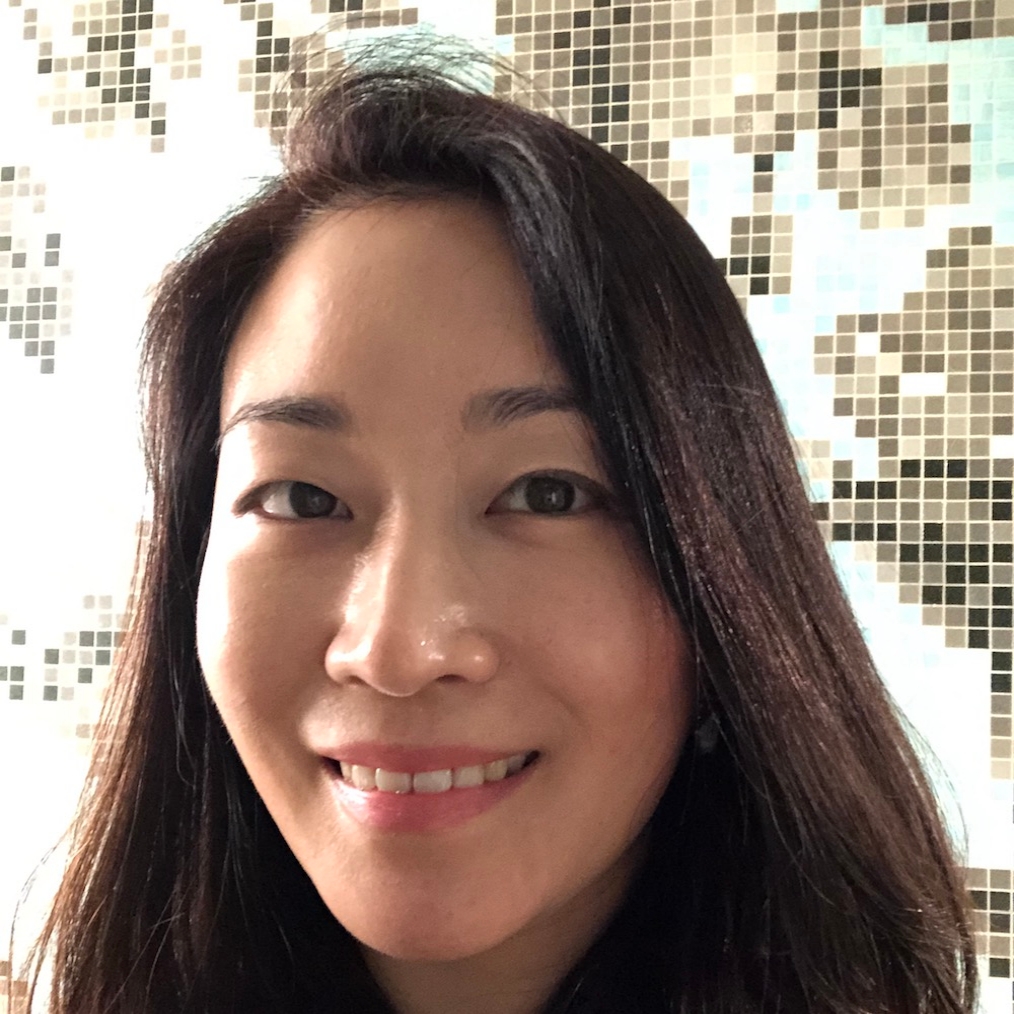
MA Arts Politics Class of 2012
Doctoral Candidate, Art & Art Education Program, Teachers College, Columbia University
BFA & MFA, Ewha Womans University
Eunji is an art educator, artist and curator who is interested in facilitating learning through various forms of contemporary art practices. Her work lies in the intersection of public engagement,contemporary art, and education. Prior to coming to the U.S. from Korea, she worked as Researcher and Program Manager for the Academy for Culture & Arts Education at CLIP Service Inc., and as a Public Art Curator for the Seoul City Gallery Project, Seoul Design Foundation. At the Foundation, she worked with artists, architects, and designers in engaging civic participation to activate urban public spaces such as public transit stations, civic plazas and parks, community centers among many. She was Chief Curator for the annual School Gallery Project, where she worked in conjunction with the Education Department of the Seoul City. She hosted open calls to carry out artistic interventions in underserved public schools with artists and cultural practitioners through aesthetic programming and constructing infrastructures.
Eunji is an instructor and doctoral candidate in the Art & Art Education Program, Teachers College, Columbia University. She teaches elementary students at New York City public libraries, female incarcerated young adults at Rikers Island, and pre-service teachers at the graduate level.
What drew you to the MA Arts Politics program?
I had a familiarity with the school spirit of NYU from being an international exchange student in the art history program during college. Although the Arts Politics program seemed quite new when I was applying for grad school, it seemed promising with my interest in public art and the balance between theory and practice.
How do you describe or identify your practice/work?
My work lies in the intersection of public engagement, contemporary art, and education. I envision teaching as a form of a contemporary art practice, or a cultural production process where learning emerges in the collaborative and collective process of “making together.” Students learn through dialogical exchanges, various modes of participation through inquiry-based activities, and embodied activities such as physical movement and hands-on studio art making. I facilitate art walks in the city with college students using arts-based research methods such as photo elicitation as a way to expand their understanding of art and to foster acute seeing and self-discovery about how they see the world and recognizing their own aesthetic preferences that are reflected in the things and ideas that they identify as art.
I'm currently investigating how learning emerges in cases of contemporary artist-led projects that are created to infuse a learning experience among participants. Often these types of work fall under the umbrella category of socially engaged art, but I’m particularly looking into cases where the artist’s central concern is about learning or pedagogy.
As these projects are often commissioned and formed within institutional parameters, I examine how the work is molded within these parameters where constant negotiation takes place among the various stakeholders. I’m looking into how the artist's philosophy on education/pedagogy is played out in the curation of the project, and how learning emerges among participants as they partake in the process (I must be able to directly observe and experience the work in first person). I also investigate responses from public visitors who engage with the work when it is publicly executed.
How did your experience in the program shape your work?
It was an intense two semesters, especially for someone who was studying abroad. It was an amalgam of going through a vibrancy of culture being in New York City, exposure to abundant resources, and taking on heavy coursework, which was challenging to all digest in two semesters. However, it definitely served its purpose as an ignition for deeper inquiry and exploration to persist.
The spring course "Public Interventions" with artist Alfredo Jaar was particularly eye-opening in terms of applying various political strategies and methods in class such as collective discussion and debate, persuasion and voting, individual and group work... it really enhanced the level of collective learning among our cohorts which was a very international group. His assignments were quite challenging, pushing us to be very critical about the ideas and methods we came up with in tackling pressing societal and community issues through artistic means. We felt a bit pressured by his charismatic demeanor and high expectations, but we all had such a great time pushing our boundaries and learning from one another. It was such an inspiring course that I still reflect upon a lot.
The first semester "Colloquium" facilitated by Professor Kathy Engel where visiting artists from different backgrounds came each week was very insightful. I think it was a great way for students to see the vast range of practices taking place in New York City (although not everyone's work was based in New York). It's always great to hear real stories from practitioners in the field, which informs us and suggests future possibilities that we can build upon.
It was great that the APP curriculum encouraged us to take electives outside the program according to our research needs and interests. I took courses in Art Administration from Steinhardt such as "Performa Biennial" which was taught by the founding director of Performa, Roselee Goldberg, and the "Education in the Art Museum" course which was entirely taught by the education staff at the Museum of Modern Art. Museum Studies courses such as "Critical Issues in Cultural Preservation," fostered multiple approaches in thinking about contemporary cultural practices in sites across New York City including topics like the NYU expansion plan in Greenwich Village.
The two semesters were super impactful and have formed the foundation of my current endeavors. I ended up pursuing a doctorate in Art Education after my experience in the Arts Politics program. My interest in bridging socially engaged art with education was definitely developed through APP. I would say my current doctoral dissertation work is an expansion, in-depth version of my studies during the MA Arts Politics program.
What are some of the challenges and/or rewards of this program?
The duration of the program being two semesters was both a challenge and reward at the same time. I appreciated the thoughtfulness in the design of the curriculum - to lessen our financial burden but making sure we would grapple our academic pursuit with seriousness, bridging theory to practice. It certainly set the foundation for us to delve into the world prepared with a critical mindset and the tools to fight for social justice.
I think there is a bit of stress thinking where to go or what to do next while you're in the whirl wind of an intense year of graduate studies. It definitely takes time to digest and reflect, that I think everyone was either continuing their gigs/internships/jobs or research projects after the program, which eventually led them to the next step.
What are you doing now?
Trying to finish my doctorate to move on!