Azza Satti
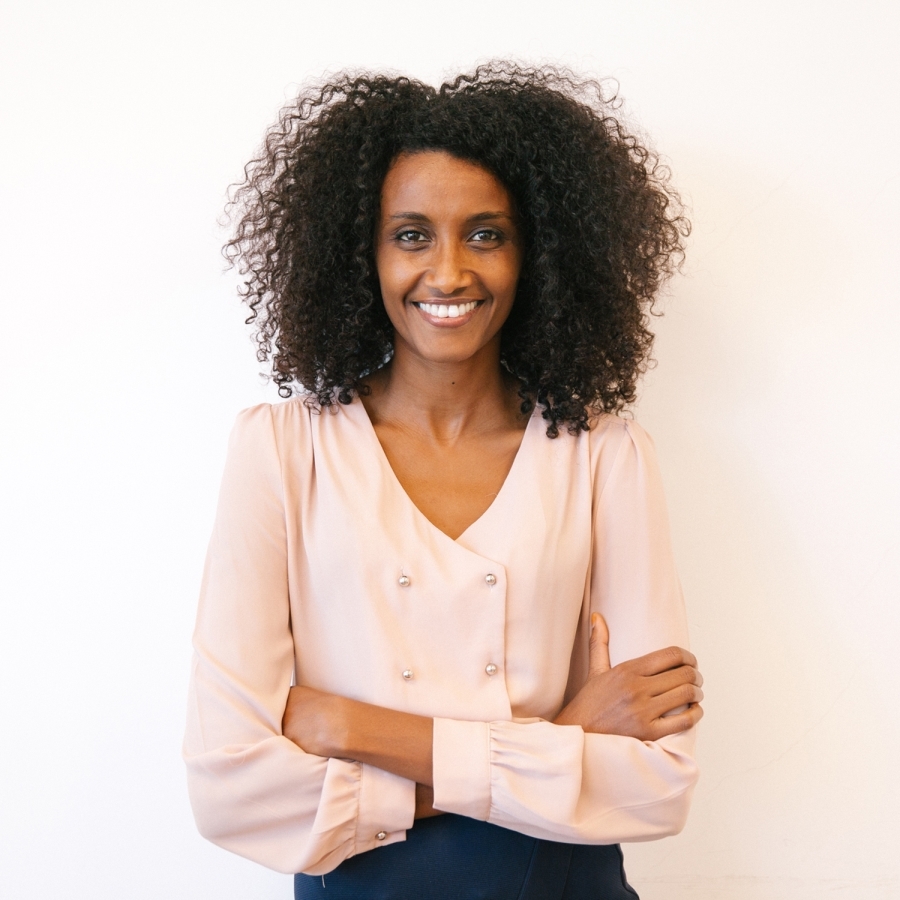
MA Arts Politics Class of 2009
BA Hunter College, Media Studies, 2004
Azza Satti is a multidisciplinary creative producer, cultural strategist, and community builder with over two decades of experience in the global arts and culture space. A graduate of NYU Tisch's Art & Public Policy program, her work is rooted in the belief that storytelling, community engagement, and public art are powerful tools for social change.
She began her career in New York, teaching improv theater to underserved youth in the Bronx, Brooklyn, and Manhattan. Her students’ original plays were performed on Broadway, a testament to her deep commitment to nurturing creative expression. Returning home to Nairobi, Azza has since worked across East Africa and Sudan, leading initiatives that amplify marginalized voices and support the creative economy.
Azza is the founder of The Rest, a sanctuary space for displaced Sudanese artists in Nairobi, offering mental health support and creative reintegration. She is also the Head of Community Engagement at African Crossroads (Hivos), former Creative Director at Statement Films (US), and a producer of acclaimed documentaries, including Water, Urban Transformation and African Heritage.
Her curatorial and production work spans global platforms—from the African Art in Venice Forum to major brand activations with Coca-Cola and Bloomberg. Through her creative experience design company, The Station, she continues to craft immersive storytelling spaces that challenge conventional narratives and celebrate African futurisms. Azza speaks English, Arabic, and French, and is currently based in Nairobi.
Azza speaks English, Arabic, and French, and is currently based in Nairobi.
Awards & Recognition:
Featured Speaker at African Art in Venice Forum, Johannesburg Art Fair, and UNESCO forums.
Recognized for outstanding community impact through The Rest, a support space for displaced Sudanese artists.
Selected Work & Media Links:
Water, Urban Transformation and African Heritage (Documentary), Mental Health in Kenya’s Muslim Community (Short Film), African Crossroads (Hivos): https://africancrossroads.org, The Station (Creative Experience Studio), Safe Place Storytelling Platform.
What drew to the M.A. in Arts Politics?
I was drawn to the M.A. in Arts Politics because I was searching for a space where art, activism, and policy could coexist—where creative work wasn’t just aesthetic, but a force for liberation, healing, and systemic change. Coming from a background in art, film and media, I had witnessed how storytelling could transform lives, particularly among young people in underserved communities. But I needed the language and frameworks to connect this practice to broader movements for justice.
NYU’s Art & Public Policy program promised more than an academic experience—it offered a political awakening. I wanted to explore the tensions between art and power, voice and erasure, performance and protest. I wanted to understand how artists could shape public discourse, challenge institutions, and reimagine futures.
The program’s commitment to radical pedagogy, critical theory, and community-centered practice spoke directly to my purpose. It felt like a necessary step in becoming the kind of artist I aspired to be—one who creates not just for audiences, but with communities, in service of something greater.
How did your experience in the program shape your work?
The program fundamentally reshaped how I understand my role as an artist. It deepened my belief that art is not just a tool for expression, but a strategy for resistance, repair, and reimagination. Studying at NYU gave me the critical frameworks and the language to articulate the political dimensions of my work—especially as someone from Sudan and Somali navigating diasporic identity, displacement, and cultural preservation.
It also grounded me in a community of peers and mentors who were unafraid to question systems, build alternatives, and center care in their practice. That spirit continues to guide me, especially in my work with The Rest, where we hold space for displaced Sudanese artists, and with The Station, where we design creative experiences that challenge dominant narratives.
The program gave me permission to work at the intersection of disciplines—and to honor storytelling as a powerful site of activism, healing, and joy. It continues to shape how I collaborate, curate, and imagine what’s possible.
What are some of the challenges and/or rewards of this program?
One of the most rewarding aspects of the Art & Public Policy program at NYU was the way it nurtured critical thought while remaining deeply rooted in social impact. Studying thinkers like Paulo Freire and Augusto Boal profoundly shaped my approach to storytelling, pedagogy, and justice-driven art. The program challenged me to interrogate my role as an artist, not just as a creator but as a civic participant.
A challenge—and a gift—was the intensity of unlearning and relearning. It pushed me beyond traditional frameworks and introduced me to a global network of artists and activists whose work continues to inspire mine. The interdisciplinary nature of the program created space for meaningful collaborations, many of which continue to shape my practice today.
Ultimately, the program gave me the language, tools, and confidence to use art as a means of intervention, healing, and transformation—particularly in communities navigating displacement, conflict, and systemic marginalization.