Visual Art and Fabrication
Choose one of the following courses.
Movement Machines: Kinetic Art and Performance: COART-UT 706 | 4 units
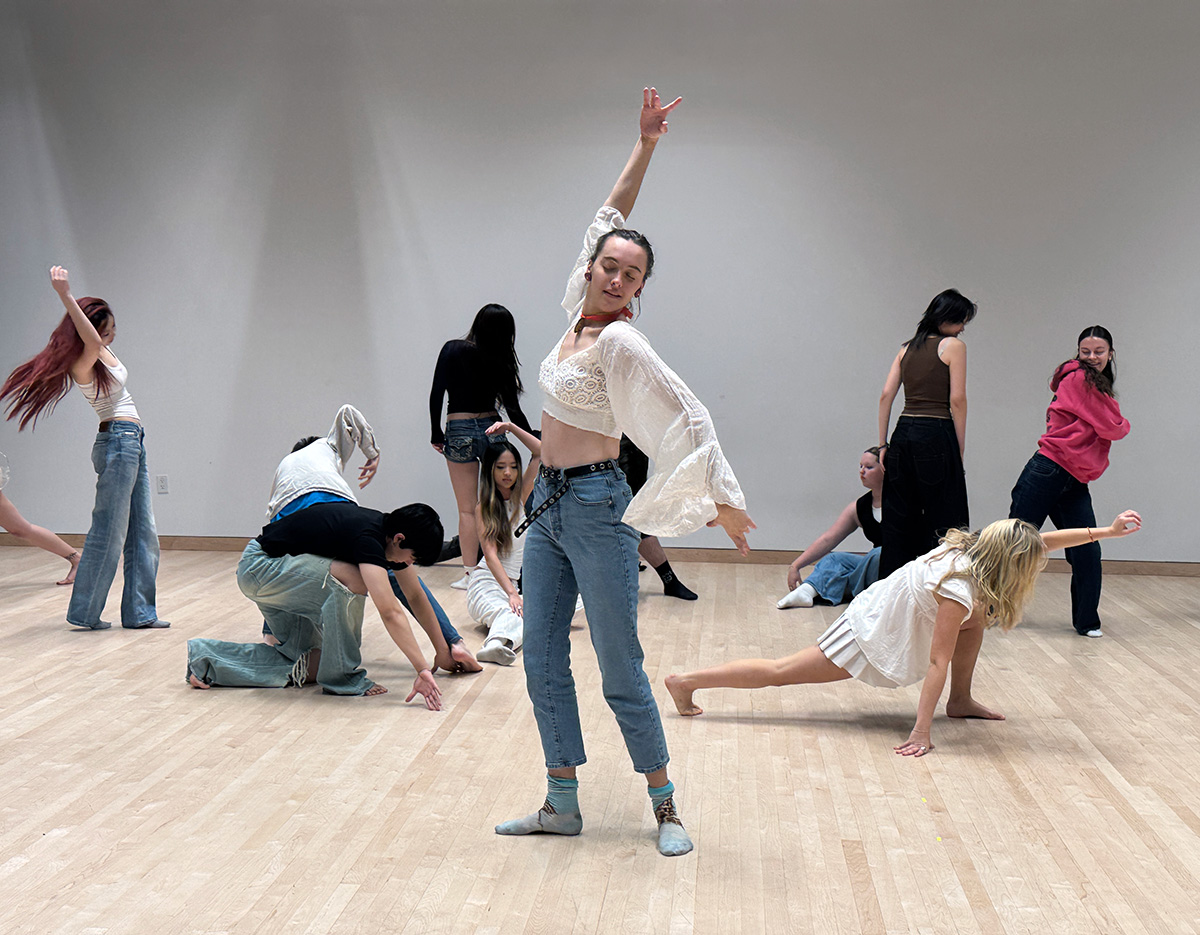
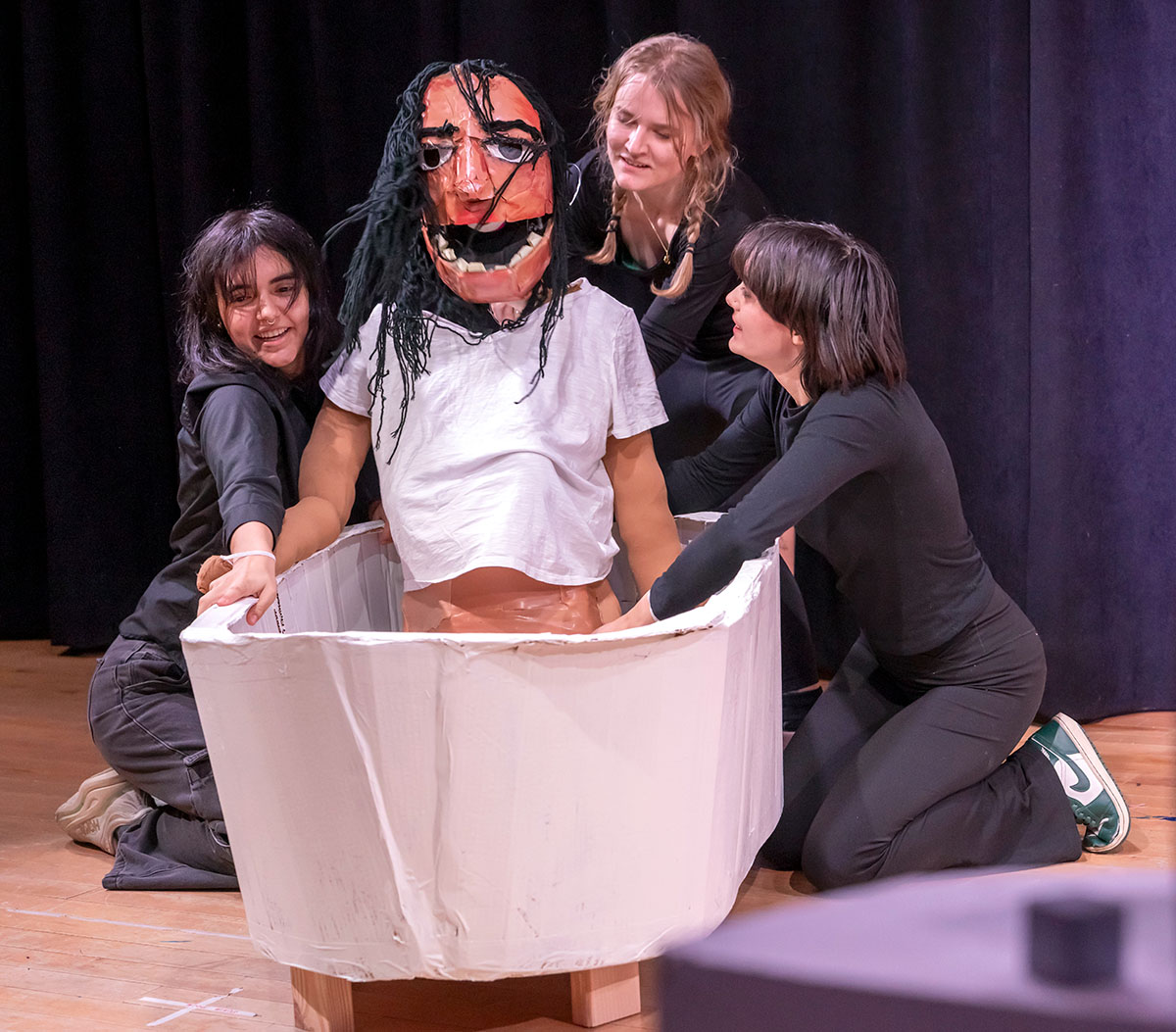
Blood flows through your veins, sound travels through the air, the clock ticks, a record spins, animals roam the earth, and the internet crosses oceans through submarine cables. Movement is everywhere. This hands-on studio class will combine kinetic sculpture and performativity to explore the relationship between human bodies and sculptural machines. Students will be introduced to the practical aspects of working with motors, electricity, and gears and will experiment with the intersections of kinetic art, engineering, dance, and gesture to explore our mundane relationships with objects and technology to suggest new dynamics, hierarchies, and intimacies between humans and machines. While contemporary digital and cyber cultures are dematerializing our interaction with the physical world to representations, simulations, and avatars, their dependency on natural resources and human labor often remains invisible. This course will draw the connections between the natural, the mechanical, and the technological through kinetic art and performances to foster interspecies collaborations between humans and non-humans that will culminate in presentations of multidisciplinary kinetic experiences for live audiences.
Touch is a Point of Contact: COART-UT 709 | 4 units
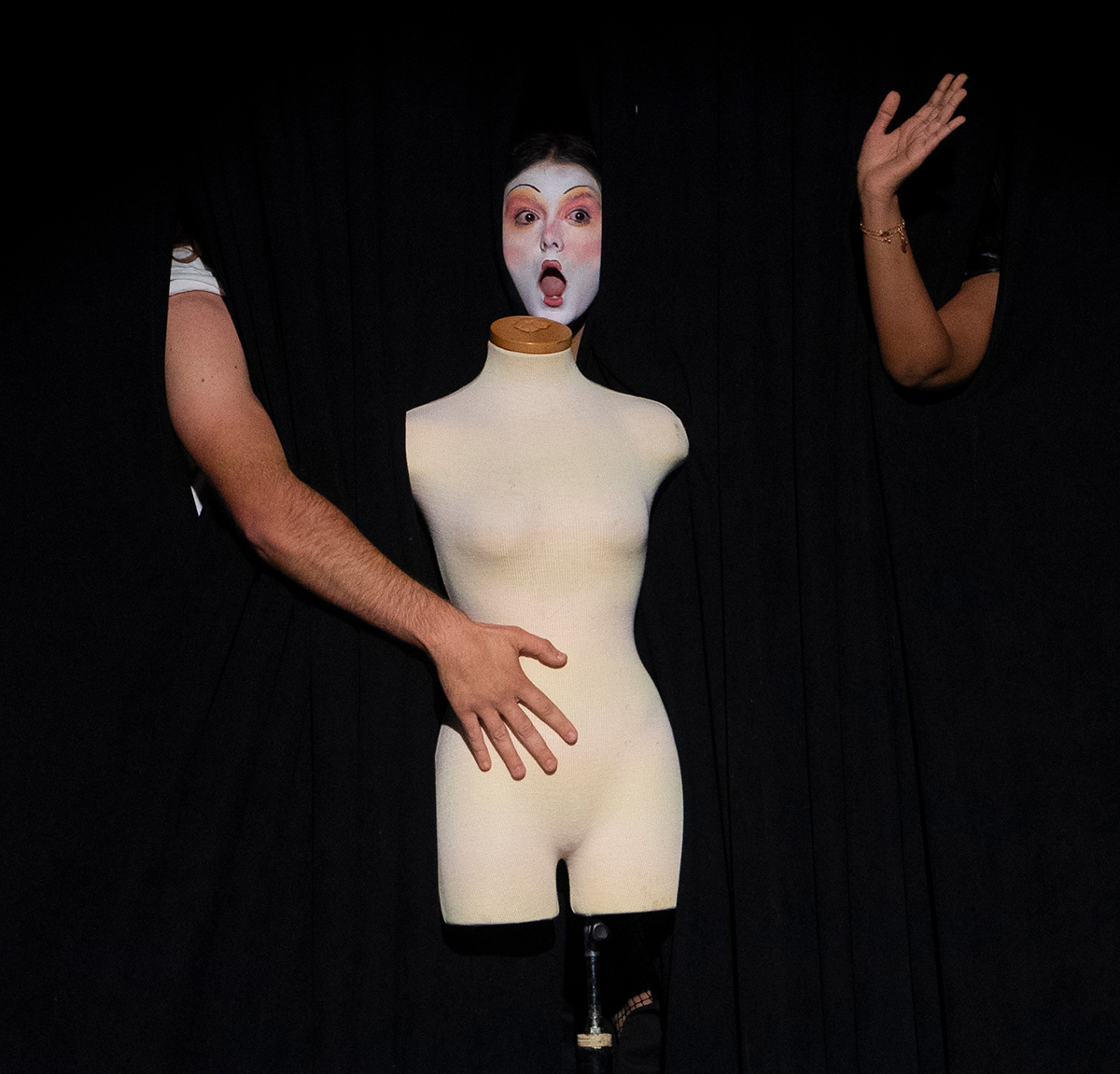
Touch is a point of contact where distinct beings - human, object, or idea - meet, creating an exchange that can be both physical and transformative. Using contact as the main frame for thinking, this class will explore casting, molding, and related practices as both technical processes and conceptual frameworks for making art. Beginning with simple acts of rubbing, tracing, and walking as ways of recording and translating experience, students will explore how shapes, forms, and textures can be transferred across materials and contexts. Through a series of hands-on workshops, the class will move from mark-making practices toward more advanced methods of moldmaking and casting, such as working with negative space, making body casts, and positive object casting. Working with materials ranging from plaster, concrete, and resin to more experimental materials like wax, candy, or lard, students will develop technical fluency while also considering the poetic, sensory, and social dimensions of "contact." The semester culminates in a final performance that synthesizes learned techniques with individual artistic inquiry. This final project emphasizes the reciprocal influence of contact - how objects can shape the body's movement, and how the body alters the object's meaning and function.