Fictions of the Child
Professor Laura Levine
lauraellenlevine@outlook.com
THEA-UT 801.002 ~4 credits
Tuesdays 3:15-5:45 pm
In his “Ode on Intimations of Immortality,” the poet Wordsworth calls the child the “best philosopher,” the “eye among the blind,” the “mighty Prophet.” Though we are born “trailing clouds of glory,” the poem argues, these fade into “the light of common day” in adulthood. In these phrases, Wordsworth articulates in its rawest form a belief in the child as the pinnacle of human existence, the ideal, almost a divine being. What philosophical and cultural assumptions underwrite this attitude toward childhood? What consolations, if any, does it offer us for coming of age? What is lost as we move into adulthood?
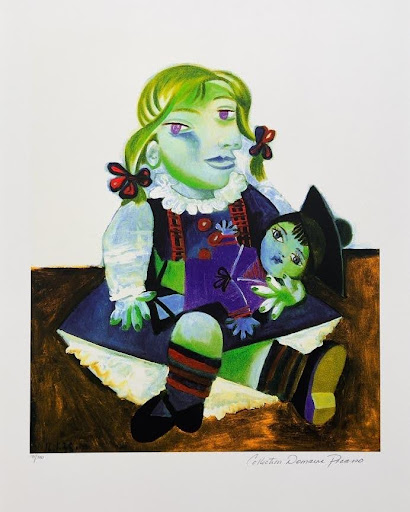
We will examine myths that accompany the idea of “the child” and childhood in different texts and periods. Possible examples include the custody battle over the Indian child in A Midsummer Night’s Dream, the myth of eternal boyhood in The Winter’s Tale, the moment in The Aeneid Venus asks her son Cupid to take the form of Aeneas’ child in order to trick the African Queen Dido into falling in love, as well as representations of children in early children's literature. Modern texts include Ian McEwan's The Children Act, which minutely examines the consequences of legal rulings on the moment people stop being children, as well as selected visual materials. What assumptions determine whether a visual artist decides to render children as miniature adults or as angels? Students will pursue individual projects (worked out in consultation with Professor Levine) across various historical genres. All participants are required to save time on Reading Day as well as an hour after class twice after spring break. This course is online only. In addition to the usual application procedures for honors courses, interested students should write to Professor Levine to arrange a Zoom interview. All applications and inquiries should be sent cut-and-paste embedded in the body of the text.