Coming soon!
Under construction
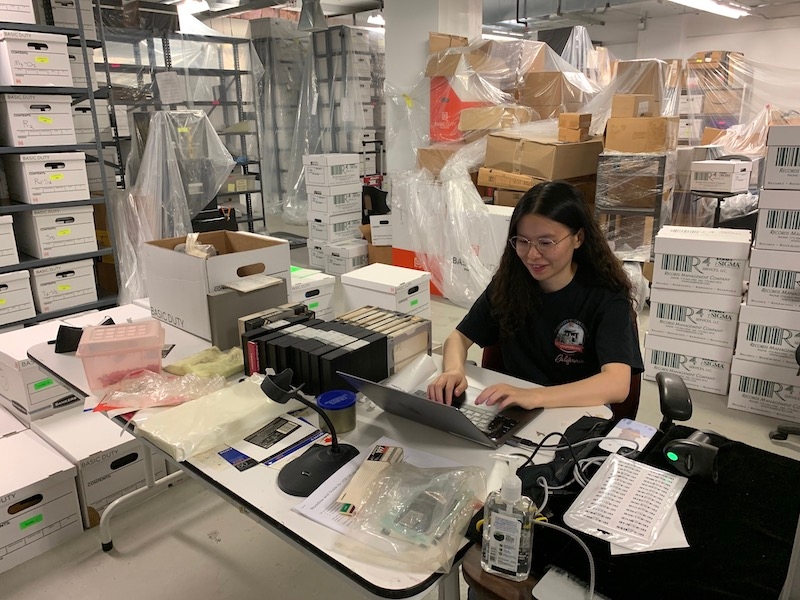
Students in the Moving Image Archiving and Preservation (MIAP) MA Program complete two semester-long internships and one full-time summer internship. Semester internships are based in New York accompanied by an internship seminar. For the summer internship, many students travel outside of New York City to work on collections in other parts of the country or abroad.
Prospective students and supervisors can learn more about MIAP's internship program by reading our summary guide here and perusing the internship descriptions below.
Spring 2024 internships are described below, and Summer 2024 internship experiences will be added closer to the start of the fall semester.
Neil Brydon, American Documentary
Leah Simon, YIVO
Syrina Nuemah, The Museum of Modern Art
Charlie Norbury, New York Public Library
Carlos Abarca, Museum of the Moving Image
Lucy Allen, Film-makers Cooperative
Julia Delgadillo, 40 Acres and a Mule
Juliana Principe Salazar, Alvin Ailey Dance Foundation
Neil Brydon, American Documentary
"My internship at American Documentary, Inc. focused on the newly-digitized POV documentary series, primarily extra pieces outside of the main episodes, such as interviews with the filmmakers. The first part of the internship consisted of cataloging hard drives and transferring files related to POV Behind the Lens episodes onto the main server. The second part of the internship consisted of cataloging digitized files of POV materials received back from George Blood, and moving these files onto temporary Google Drive storage."
Leah Simon, YIVO Sound Archive
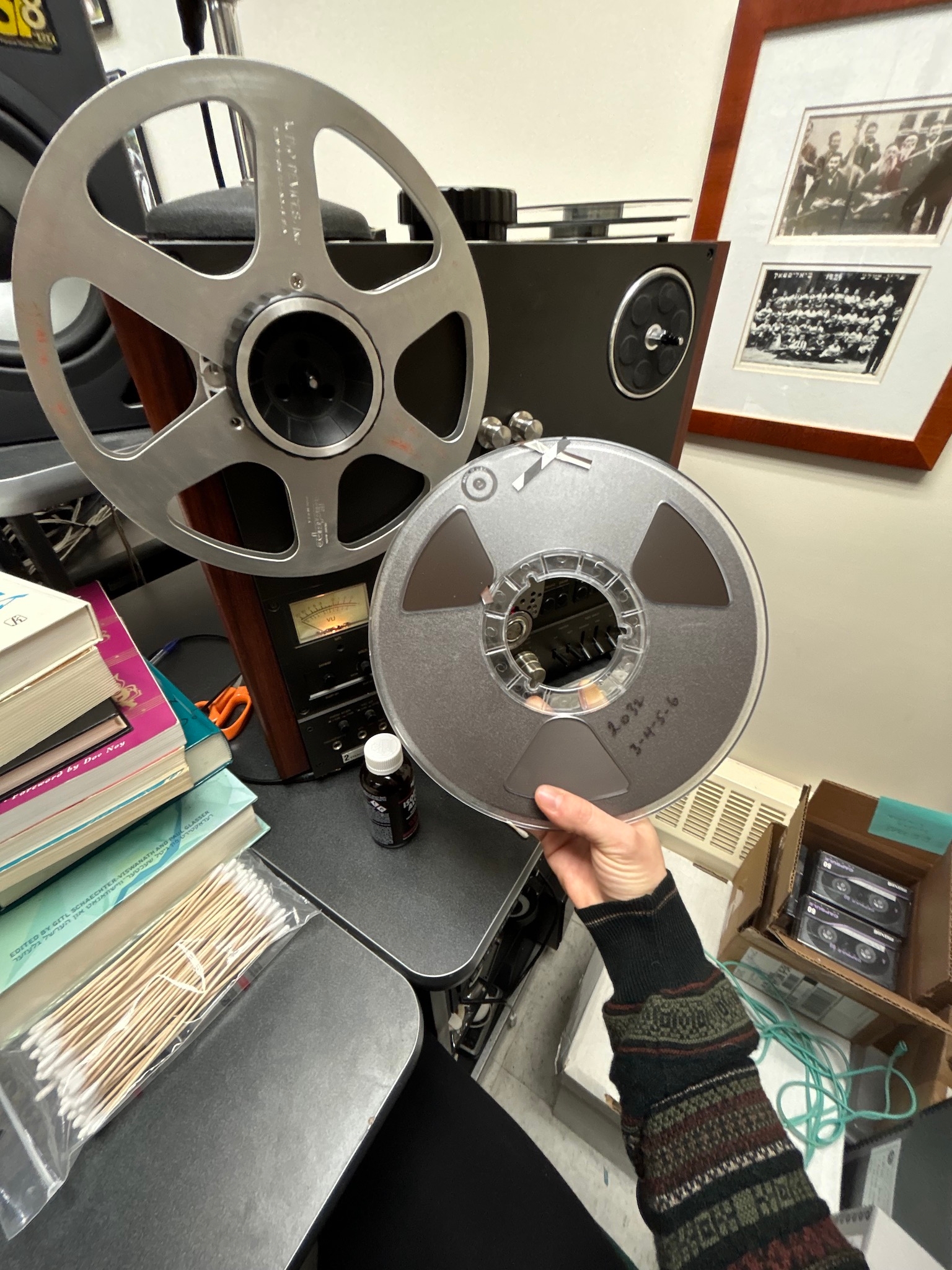
"Working in the YIVO Sound Archive was an incredibly useful and edifying experience and helped me develop my skills in moving image archiving and preservation. During my time at the YIVO Sound Archive, I was tasked with digitization of a 1/4" open-reel audio tape collection from start to finish. This entailed migrating audio recordings from 1948-1951 from their 1970s archival standard format (open-reel tape) to digital files for digital preservation and access. The recordings that I worked with will be made available to the public with a finding aid and uploaded via Archive Space to the YIVO Institute's open library for researchers, scholars, and Yiddishists.
During my time at the YIVO Sound Archive, I learned how to work with audio archival digital tools such as ClickRepair and Sound Studio as well as analog audio recording playback equipment such as the Technics 2-track Open-Reel Deck. The afformentioned digital tools were incredibly useful in assisting my workflow as I 'cleaned up' the recorings of clicks and pops once they were captured as digital files from analog audio recordings. The original format of the audio recordings were Sound Scriber disks which were located on-site composed of grooves embossed into soft vinyl (plastic deformation). The most challenging part of my experience digtizing and cataloging the YL Folklore Club Collection at the YIVO Sound Archive, was thinking through problems with intellectual control and accounting for how to make notations for where each recording lived across formats in YIVO's archiving systems of naming and cataloging. As each format, Sound Scriber Disk, Audio Tape, and Digital Files operated organizationally with different intellectual control and format limits. Sound Scriber Disks for instance have a 15 minute limit for recording on each side of each disk. This limitation informed how audio recordings were originally captured, often requiring multiple disks for various conversations organized by one unique number (to denote one session of recording for the Folklore Club) and later migrated to the archival tapes with up to one-hour recording possibility. When formatting Digital Files and recording metadata in the YIVO spreadsheets, my workflow required forms of labeling and documentation that could account for which Sound Scriber collection of disks belonged to which unique conversations and which video tape these conversations were migrated to. Keeping this information organized and documented proved crucial in the archival workflow should the sound archivists ever need to return to the original recordings on either the tape or Sound Scriber formats."
Syrina Nuemah, MoMA
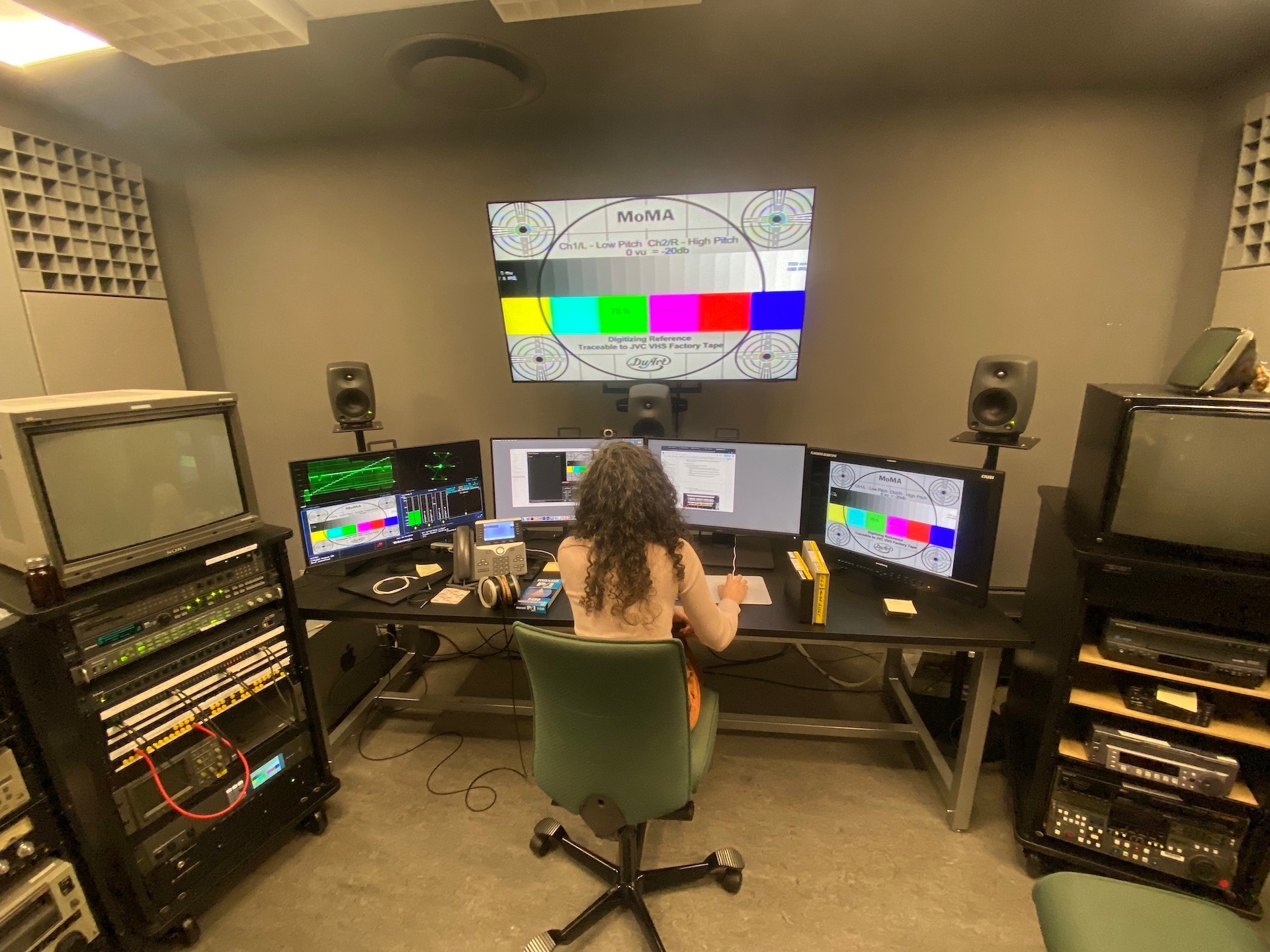
"In my internship at MoMA, I learned a great deal about video and sound digitization. It was a great privilege to be given the opportunity to digitize these recordings for researchers to be able to access these materials. During the course of my internship, I was able to digitize over 40 collection items, providing Uncompressed 10-bit Quicktime master files, and creating H.264 and mp3 access copies of each file to be accessed in MoMA's Reading Room for researchers wanting access to these recordings. Especially as MoMA's Archives do not typically have the ability to provide such access to materials unless their audiovisual collections are given to a vendor, many of these materials would not usually be able to be digitized for access nor would there be a preservation master available. With this being the case, MoMA provided a unique opportunity to collaborate with the Media Conservation department to provide access to the necessary equipment to create these files. Through this opportunity, I learned a lot about the workflows that go into creating preservation and access copies and updating records in MoMA's finding aids to reflect changes in the status of these records using ArchiveSpace."
Charlie Norbury, NYPL
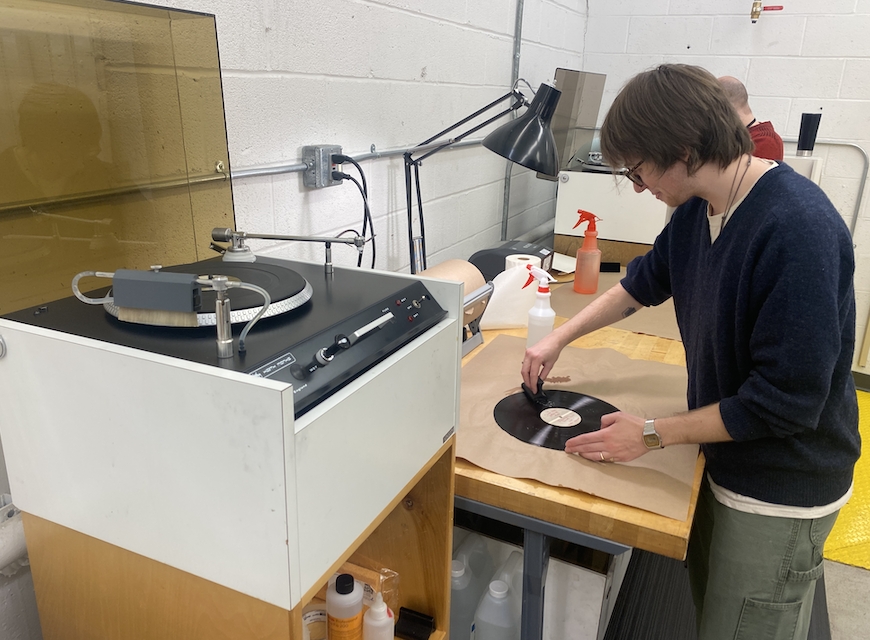
"Interning at the New York Public Library provided me with a varied and rich experience in the world of audiovisual archiving. I was able to see essentially the entire life cycle of a preservation process, from the first inspection, to the digitization, to the management of the newly created digital files. I was able to gain hands on experience working with formats and techniques that I had never done before, especially in regards to audio formats such as audiocassette tapes and lacquer disks. Being at NYPL was a valuable and exciting opportunity, one that taught me many things about how this career and field operates on a broader scale."
Carlos Abarca, MoMI
"The Museum of the Moving Image focuses on the narrativizing the technological developments of moving image history. Through its exhibitions, screenings, education programs, digital literacy initiatives, and cutting-edge media labs the institution purports to create a shared experience for its users that reconciles the past, present, and future of audiovisual media. The site operates out of Queens, in the former building of the Astoria Studios, Thursday through Sunday devoting it’s three-level floor capacity to a series of permanent and rotating exhibitions. While working with The Wiz collection, the internship site provided a valuable window to apply many of the collection management and metadata skills addressed throughout the MIAP Spring semester. It was great to highlight the effectiveness of the research conducted and demonstrate the importance of how these practices helped link the museum’s activities to its surrounding community."
Lucy Allen, Film-makers Co-op/New American Cinema Group
"My Spring 2024 internship took place at the Film-Makers’ Cooperative/New American Cinema Group, which has functioned as a distributor and supporter of avant-garde and experimental film and video since 1961. My tasks over the course of the internship assisted with a range of the coop’s projects and materials, including print distribution, programming, research assistance, and intellectual control. I cleaned, inspected, & filled out inspection cards for dozens of recently returned and ingested 16mm prints. I conducted an inventory of prints in FMC's cold storage not accounted for in its catalog, projected films for visiting scholars and researchers, scanned and edited film stills, and digitized VHS tapes from the collection. While at FMC, I also selected, wrote notes for, and introduced a program, "Portraits of Trans Lives c. 1970," as part of the coop's "Films for Social Change: Revisited and Expanded" series."
Julia Delgadillo, 40 Acres and a Mule
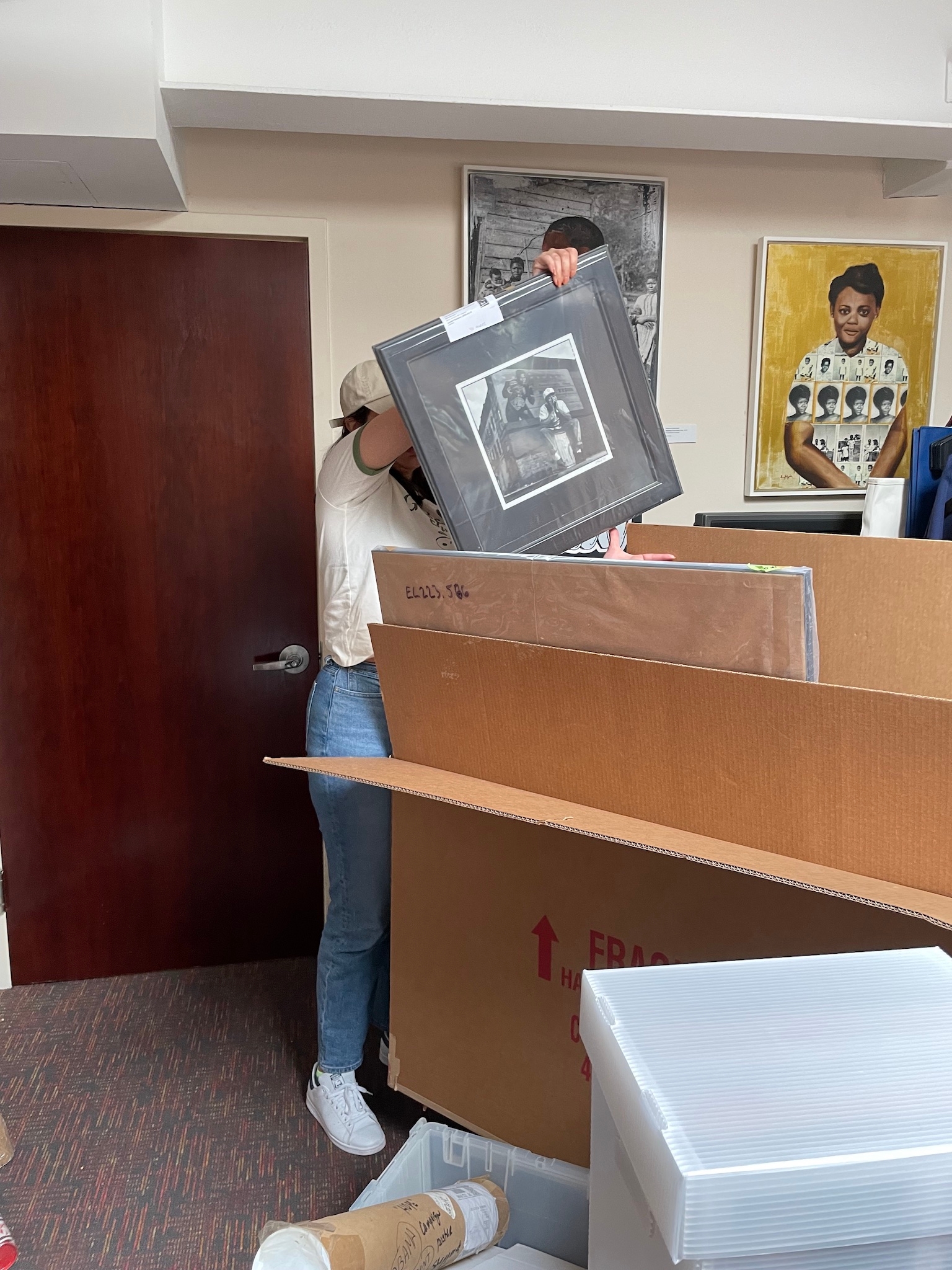
"At my internship at 40 Acres and a Mule Filmworks, I worked with Spike Lee's personal collection of art, sports memorabilia, and audiovisual material. I researched new acquisitions and catalogued them using the collection management system CatalogIt. I also participated in intaking the items loaned out to the Brooklyn Museum for the Spike Lee: Creative Sources exhibit, and aided in returning them to their original places in the office building, personally handling paintings, photographs, and other ephemera. This internship was a wonderful experience in learning how to manage a private collection, and implement best practices in a smaller institution."
Juliana Principe Salazar, Alvin Ailey Dance Foundation
"In the Ailey Archive at the Alvin Ailey Dance Foundation, my core responsabilities were focused in working with the digital assets produced and received by the AADF. I gain experience on command line tools, processing and packaging digital assets. I worked with a variety of digital formats such as the 10-but uncompressed, .mov, .mp4, among others in tasks such as transcoding, embedding metadata and ingesting those files to the NetX DAMS according to the AADF Digital Asset Management Plan. To achieve this I used ExifTool, FFmpeg, and the NetX interface. I also gained cataloging skills through familiarizing myself with the use of controlled vocabulary and learning the data model of the AADF. Finally, apart from embedding metadata and cataloging, I also had the opportunity to synchronize the csv file I prepared for a batch of one of the collections with the NetX DAMS. This experience was thrilling and gave me insights to understand the procedures to manage digital assets in a large scale."
Browse below some of the past internships MIAP students have held.
Under construction
Interested in hosting an intern at your site or with your collection? Check out our supervisor guide here, or contact us at tisch.preservation@nyu.edu to get connected with us.