Reel Asia
Reel Asia: An Evening with Three Women Filmmakers
Friday, January 30, 6:00pm - 9:00pm
Michelson Theater, 721 Broadway, 6th Floor
In this new edition of Reel Asia, we gather to watch and discuss works by three women filmmakers based in the New York metropolitan area. With roots in Tibet, Pakistan, and India—and creative journeys that span oceans and worlds—Tenzin Sedon, Mara Ahmed, and Jesal Kapadia craft moving images that challenge the boundaries between fiction and documentary, and between film and other media. With great sensitivity and insight, they untangle and re-assemble images, stories, emotions and ideas about colonialism, ethnicity, race, gender, migration, memory, and the environment. Together, they reveal how personal narratives and political histories remain deeply intertwined.
A Road of Prayer (2016) is a documentary filmed between 2015 and 2016, marking the filmmaker's, Tenzin Sedon, return to her hometown of Lhasa, Tibet, after a long absence. Through the camera, she attempts to touch a homeland and a community that feel at once intimate and unfamiliar. The film weaves together three narrative threads shaped by place, time, and the transformations of urban life. By observing ordinary people along the prayer road (kora), the film becomes a personal journey of reconnection—an exploration of memory, belonging, and the shifting relationship between the city and those who move within it. 98 minutes.
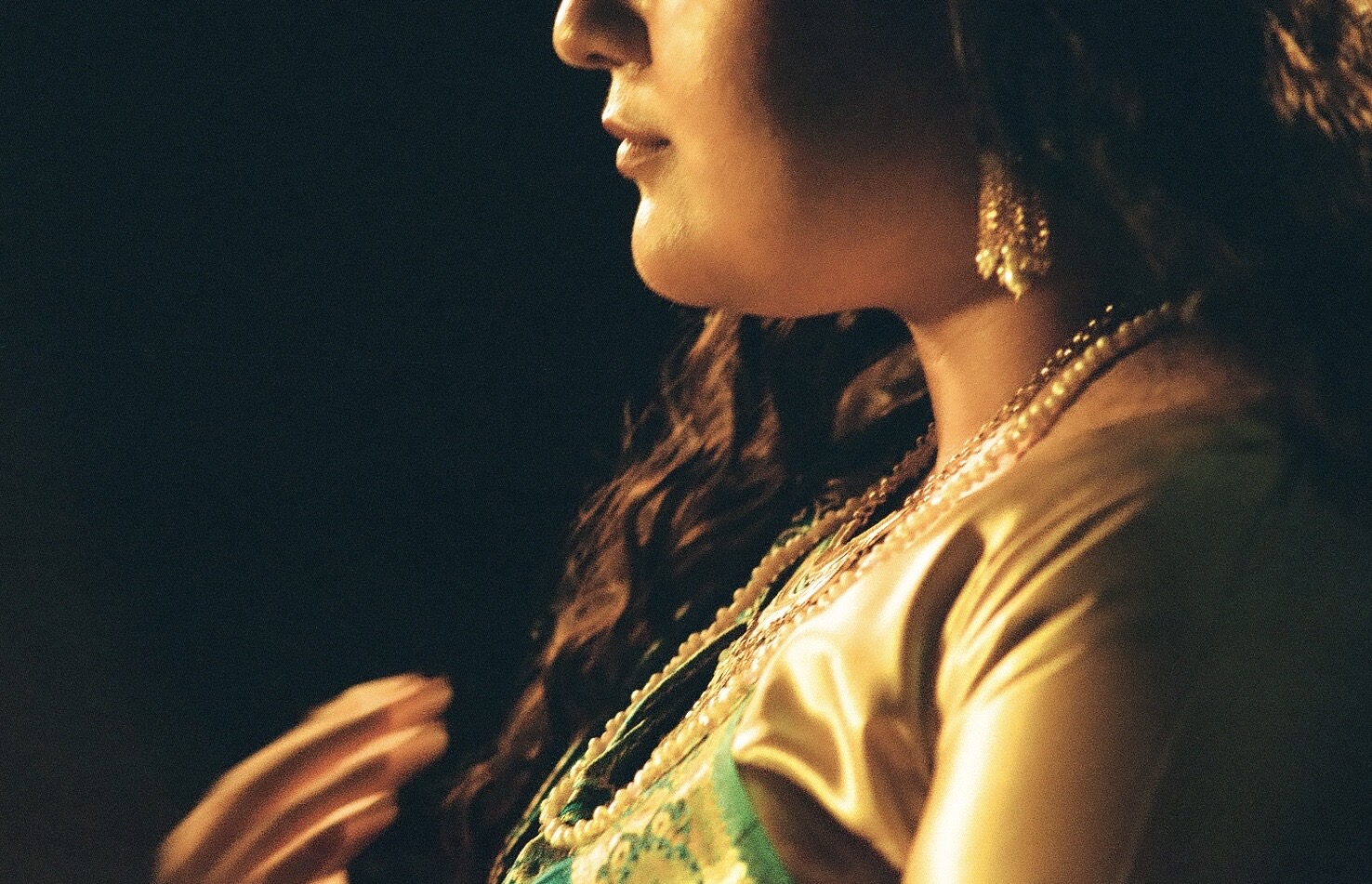
Return to Sender: Women of Color in Colonial Postcards & the Politics of Representation is a short, experimental film directed and produced by Mara Ahmed. It pushes the documentary medium in unexpected ways by opening with three contemporary South Asian American women who recreate British colonial postcards from the early 20th century. Dressed in lavish traditional attire and jewelry and shot exquisitely in a darkened studio, the women emulate the awkward poses of the postcard women, only to subvert the colonial male gaze and acquire autonomy by choosing an action of their own. This symbolic ‘returning’ of the Orientalist gaze is layered with discussions about Eurocentric beauty standards, representations of South Asian women in media and culture, stereotypes, othering, identity and belonging. The film hopes to create community by facilitating conversations about erasure and the politics of representation. 20 minutes.
'This is not a…’, 2003, attempts to unravel and re-lexicalize the European avant-garde, by probing the legacy of surrealism, particularly to Rene Magritte's Ceci n'est pas une pipe. The short video performs an ambivalent homage to three ordinary objects used commonly in a south-asian household. The soundtrack consists of three accompanying musical pieces, which are devotional love songs that have no connection with the everyday character of these 'not objects’. 3 minutes.
She has no land but she keeps sheep: Chapter 2, 2021, is a cinematic journey through Prospect Park in Brooklyn, New York, where Jesal Kapadia and Silvia Federici met regularly during the months of the quarantine in 2020, traversing imaginatively through the forest of Assisi in Italy, crossing the cave where Saint Francis lived, leading up to the wooded glimpses of the Himalayan mountains in Sikkim where the activists and monks from the Lepcha tribe had started a hunger strike to prevent the construction of a hydroelectric dam from destroying their sacred lands: thus, the weaving of resistance in geographical areas destroyed by pollution, capitalist greed, the extractivist economy and the colonial expropriation is linked together with what is named as "sacrificed zones” and “sacrificed lives”. Initially imagined as a diary, marking time between living in communal and collective spaces, time inhabited with friends in self-organized residencies and temporary autonomous un-learning zones, She has no land but she keeps sheep is a larger body of work created by Jesal Kapadia and Mattia Pellegrini, from 2014-2023. It is an unorthodox filmic work, both in format and language. Rather, it functions as an archive of images that is constitutively recalcitrant to the order of editing or archiving, opening itself to specific screening or publishing contexts that are alert to calls of renewal and repair in the community. 15 minutes.
Presented by the Asian Film and Media Initiative, the Martin Scorsese Department of Cinema Studies. Co-sponsored by the Center for Media, Culture and History, NYU.
Co-organized by Zhen Zhang (NYU), Debashree Mukherjee (Columbia University) with the assistance of Revantika Gupta and Cristina Cajulis.
This is an in-person event, open to the public. Prior registration is required. Non-NYU attendees will receive emailed instructions for building access and may be asked to present a government-issued photo ID upon arrival. NYU attendees must present their NYU ID.
About the Filmmakers
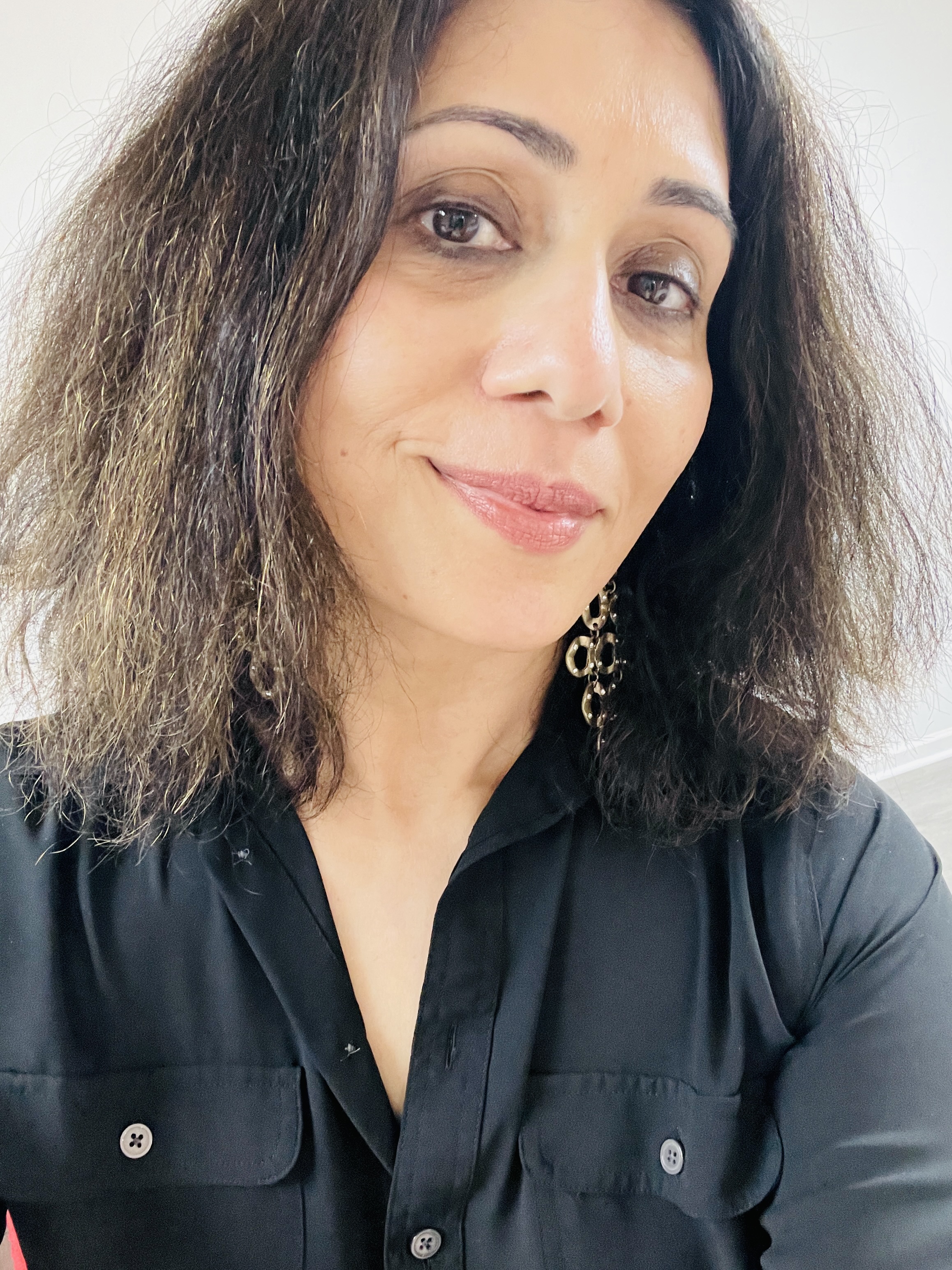
Best known for her non-linear, interdisciplinary work, Mara Ahmed produces documentaries, soundscapes, and artwork that trespass political borders and challenge colonial logics. Mara was born in Lahore and educated in Belgium, Pakistan, and the US. Her art practice reflects these displacements and multiplicities. Mara has directed and produced four films and was awarded a NYSCA grant in 2023 for her project Return to Sender: Women of Color in Colonial Postcards & the Politics of Representation. Her work has been broadcast on PBS and screened at international film festivals. Recently, she premiered The Injured Body, a feature-length film about racism in America that focuses on the voices of women of color. Her website is MaraAhmedStudio.com.
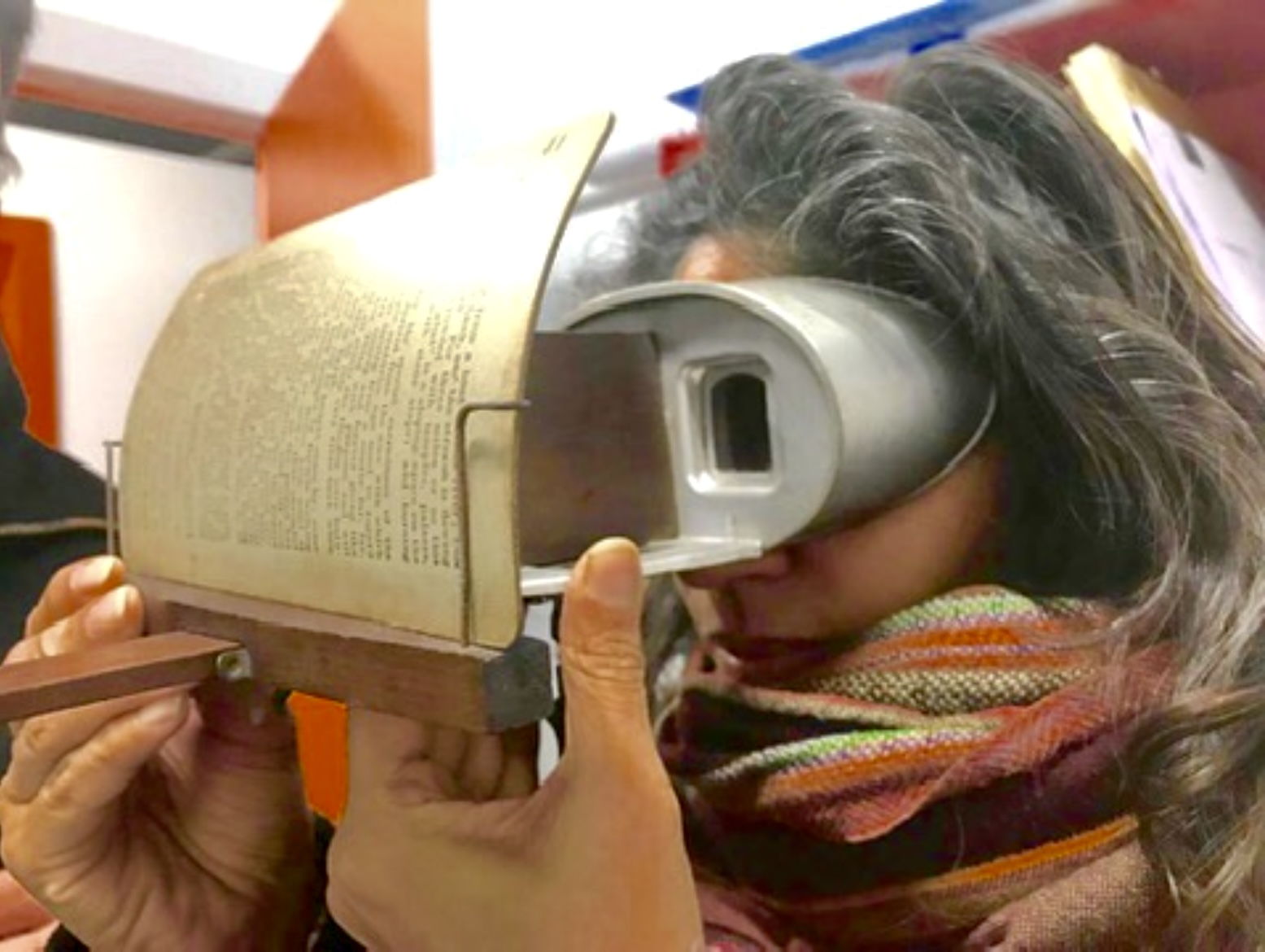
Jesal Kapadia is an artist living and working between Brooklyn, NY and Mumbai, India. Using experimental video, writing and performance art, her work explores the potential forms of non-capitalist subjectivities. Over the past two decades she has been organizing together with different artist groups and collectives to hold spaces and situations through which to refuse, re-arrange and re-enchant the capacity of art in creating new sensibilities for being together, particularly in response to the political, economic and ecological catastrophes that we live in. From 2001-2015, Jesal co-edited art for Rethinking Marxism (a journal of economics, culture and society). She has previously taught at International Center for Photography, NY, and the Art Culture and Technology program at MIT, and currently teaches at Hunter College, in the department of Film and Video.
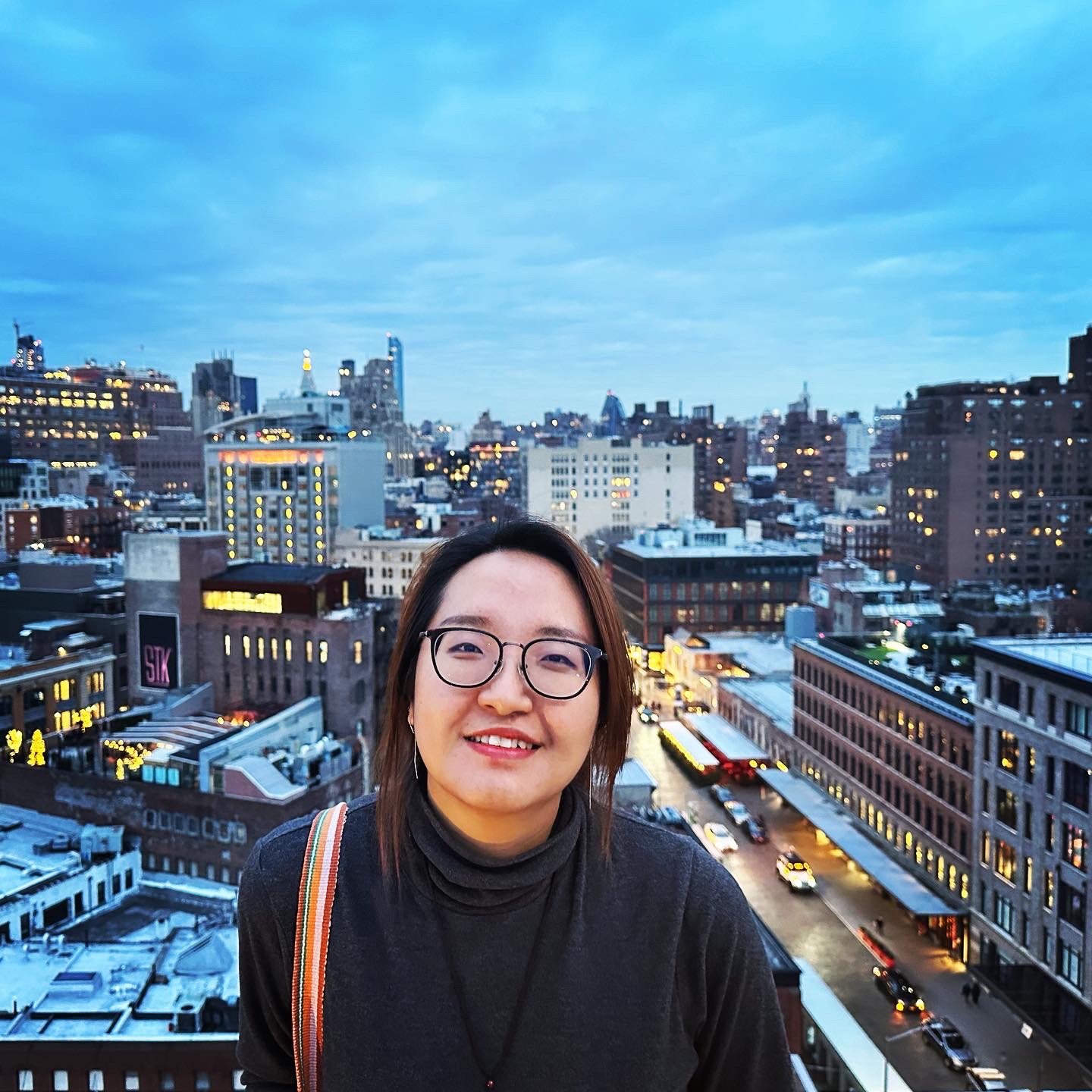
Tenzin Sedon is a Tibetan filmmaker from Tibet, China, and an MFA candidate in Film Production at NYU Tisch. Her work explores themes of displacement, memory, identity, and time through experimental visual language and hybrid narrative forms. She has received support and recognition from institutions including Hot Docs, Docs Port Incheon, and CCDF, and is a recipient of the 2025 Ang Lee Scholarship. She is also a member of New York Women in Film & Television (NYWIFT).