Rikki Amani
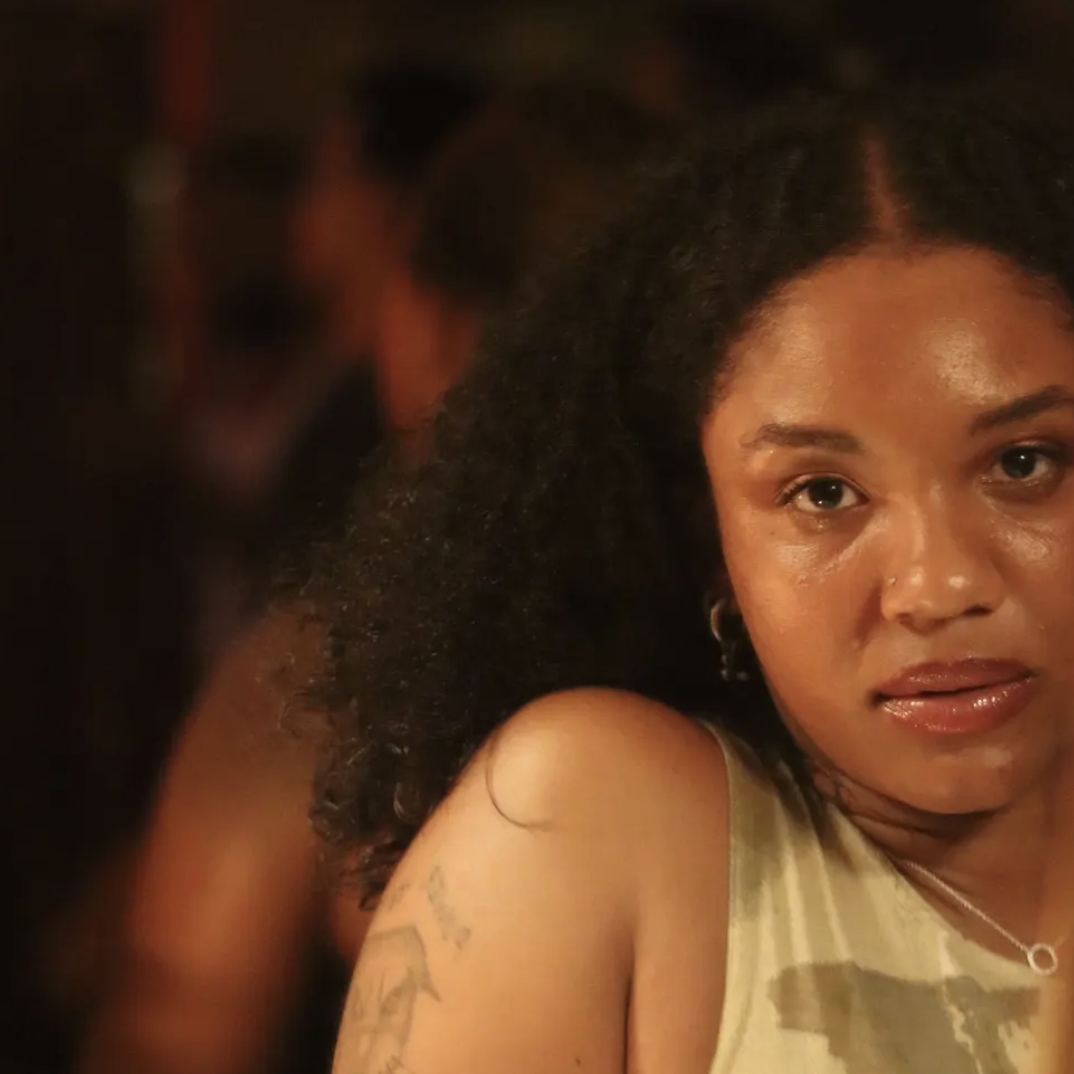
After earning her B.A. at NYU Rikki Amani is pursuing a Phd in Theater, Dance and Performance Studies at UC Berkeley where she will continue to focus on Performative Writing and Archival through the inherited objects of her grandmother, a singer, songwriter and nightlife performer. Rikki’s future project draws from her performance studies background to develop observations regarding Black American expressive cultures and aesthetic practitioners of the 50’s, 60’s, 70’s and beyond by utilizing interdisciplinary theories and techniques found throughout the history of performance studies such as Affect Theory, Black Radical Tradition, as well as Black Feminist and Queer Theories.
Title of Capstone Project
Children's Work: Contemplations on Education, Liberation, and Coming of Age
Description of Capstone Project
“Children’s Work” is an interview series accompanied by an essay contemplating the relationship between liberation and education. Children’s work considers the lifespan of social and political movements alongside the lifespans of those engaging in decolonial or radical practices within academic institutions. This project's investigation focuses on examinations of age and appropriateness, and asks what the present political climate in America is requiring of educators and students.
Through discussions attending to Black, Indigenous, Spiritual and Radical histories this series illuminates the world of liberation focused students and educators to provide insight with readers about the roles they each share as they work to decolonize their lifestyles and education practices as a whole.
The first interview is with Cameo Brown, a creative writer and educator. The second interview is Jordan Hubbard, an NYU Alumni and future law student. The final interview is with Grace Nam, an early childhood educator and anti-racism educator.
What Inspired Your Project?
Headed into a PhD program Rikki was partially inspired by her future role as an educator and facilitator. Through “Children’s Work” Rikki recognizes the academic world and the environments attached to it as both positively, and negatively initiating her commitment to living a liberatory life, and therefore seeking liberatory tools out of her education.
She was also inspired by a conversation with her partner in which she realized she’d been unintentionally chronicling her academic life utilizing national protests as markers of time. Thinking of Trayvon Martin, Micheal Brown, and Palestine, Rikki formulated this project to meditate, reflect, and inquire about the practices and sources that can transform education into a tool for liberation.