2026 Undergraduate Student Work Exhibition
INTRO TO PERFORMANCE STUDIES
-
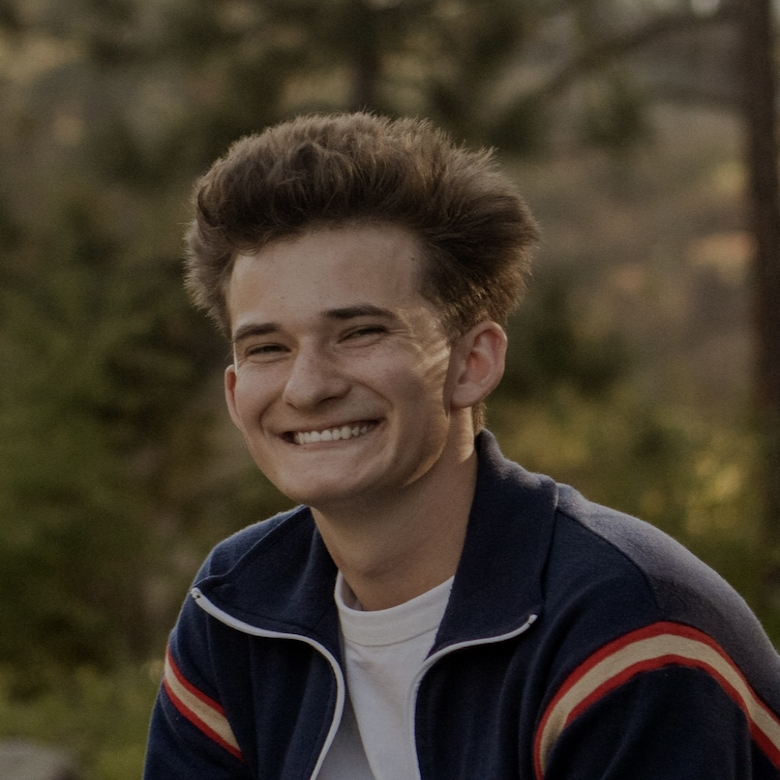
Nathan Ringger - This is Time
This project, This is Time, is a durational performance exploring repetition, attention, and the passage of time. Over five weeks, I wrote the phrase “This is time” continuously by hand for 45 minutes, once a week at the same scheduled time. Each session followed strict rules: no phone, no music, no talking, and no breaks. The performance was documented with an overhead camera, creating time-lapse footage and a growing stack of handwritten pages. The process became less about the phrase itself and more about committing to time. Repetition shifted from mechanical to meditative, and small variations in handwriting, pace, and focus became more noticeable. The piece is influenced by various performers and thinkers who we learned about in Intro to Performance Studies.
Read More. -
Stella Zhu - Butterflies rest on their Fingertips
The final project use fingertip art—nail design—to address the contemporary beauty labor of all genders. It will depict the various nail art choices made by people of different social classes and genders. This focuses on how people performatively present and think about their identities, selves, and social cognition in the face of social expectations. Through this project, I investigate how nail art serves as a social performance—a tiny, private platform that allows people to express their uniqueness, identity, and sense of belonging. It looks at beauty work as a performative reaction to social norms as well as a personal ritual.
Read More.
PERFORMANCE HISTORIES
-

Addison Alvarado - A Taxonomy of Social Performance Case Study & Wordbook
"A Taxonomy of Social Performance: The Dictionary of Embodied Policy," explores the subtle choreography through which institutions – both formal and informal – shape our movements, gestures, and interactions. Drawing on academic structures and humor, the critical taxonomy reveals how seemingly mundane actions are, in fact, meticulously scripted performances of social roles. Dictionary entries transform everyday behaviors into case studies, illustrating how institutional logic is internalized within the body. Through these entries and a supporting essay, I interrogate how these performances are intertwined with social order, also considering the subversive potential of tactical failure. My practice invites, viewers to notice, question, and play with the scripts that govern our daily lives.
Read More. -
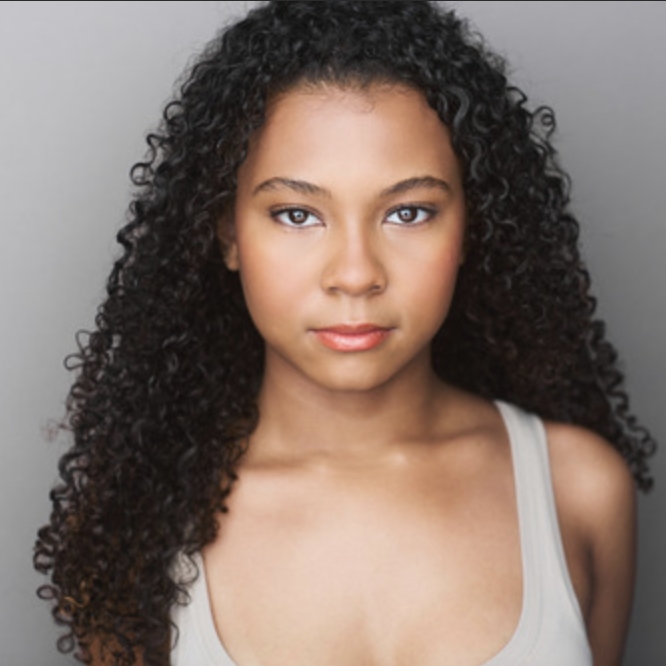
Emerson Davis - The Archive Performs: Angela Davis and the Politics of Representation
This project will demonstrate how archives are not simply neutral records of events, but rather serve as locations of power through which public perceptions are created. In my analysis of Angela Davis's case, I examined FBI documents (files), news articles covering her, and institutional documents to show how the State developed an image that portrayed her as "dangerous" instead of "intellectual." The use of the term "performance" when discussing the archive suggests that the archive functions as a performance, creating fear, authority, and control over its subjects' lives rather than providing objective truth. The process of both creatively producing and analytically developing the content for this project was influenced by my engagement with artists and theorists such as Coco Fusco, Adrian Piper, and Fred Moten, who collectively helped me understand documentation as a form of scripting. The way I approached this project involved critical readings of archival sources, examining who is represented, who speaks, and what is left out.
Read More.
PERFORMANCE POLITICS
-
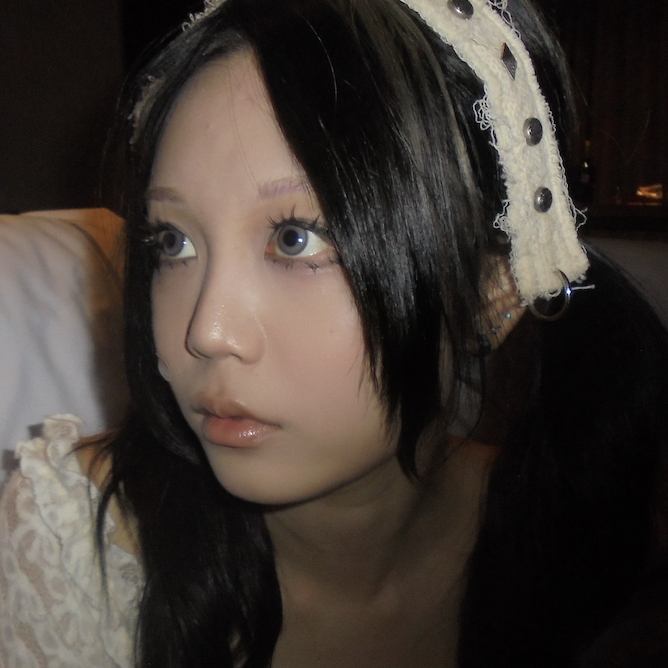
Chuxi Shui - Breathing with the Wound
Breathing with the Wound is an interactive installation that explores what happens when a wound is shared between the human body and the land. A soil-filled, body-shaped vessel emits an uneven, distressed breath when untouched. When a viewer gently places their hand on the soil, the breath slows, entering a shared rhythm. The work treats soil not as passive material, but as a breathing, responsive body. Through touch, duration, and slowness, the installation asks how care might emerge not as repair, but as a sustained relation with damage.
Read More.
PERFORMANCE THEORY
-
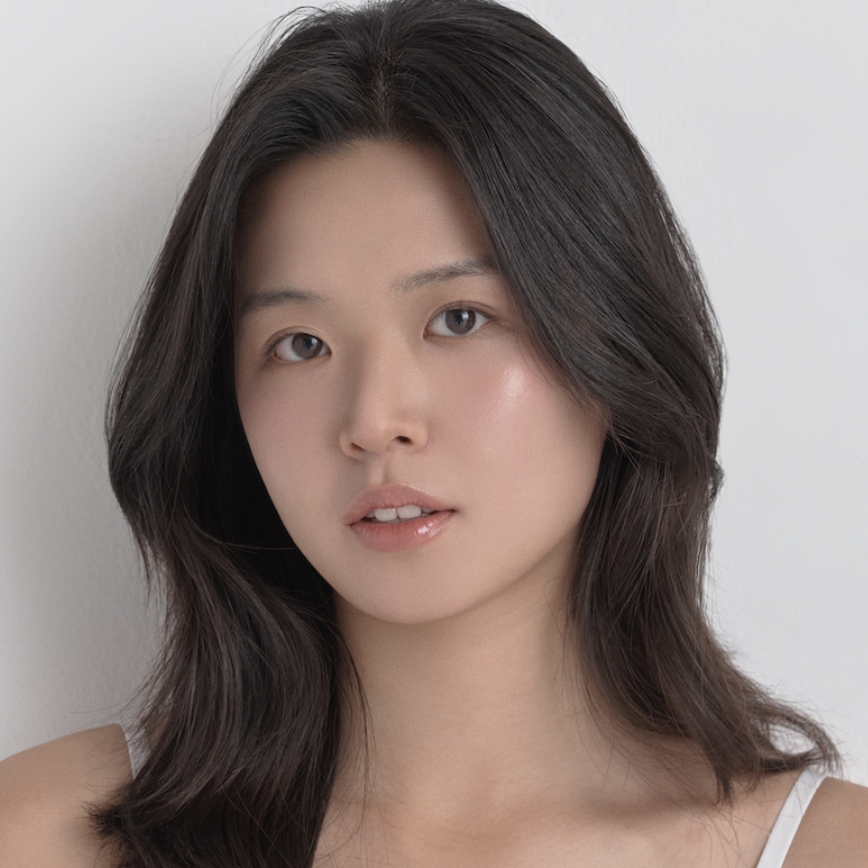
Yuyoung Chung - Control
For the final project, the class contributed to a book titled "Performance Theories For Now." Our chapters, Body, Politics, Ghosts, and Understanding, loosely resemble our curriculum for the semester. I contributed to the Body chapter, acting as a bridge between the Body and Politics by exploring 'control' across the context of sport and the gendered body. My creative process began by mapping the definitions and mechanisms of excellence in sports psychology, and realizing the gap between the method and actual accumulation of control. I used performance theory and drew testimonies from guest speakers and teammates to learn how other performers, both artists and athletes, approach embodied presence during their performances.
Read More. -
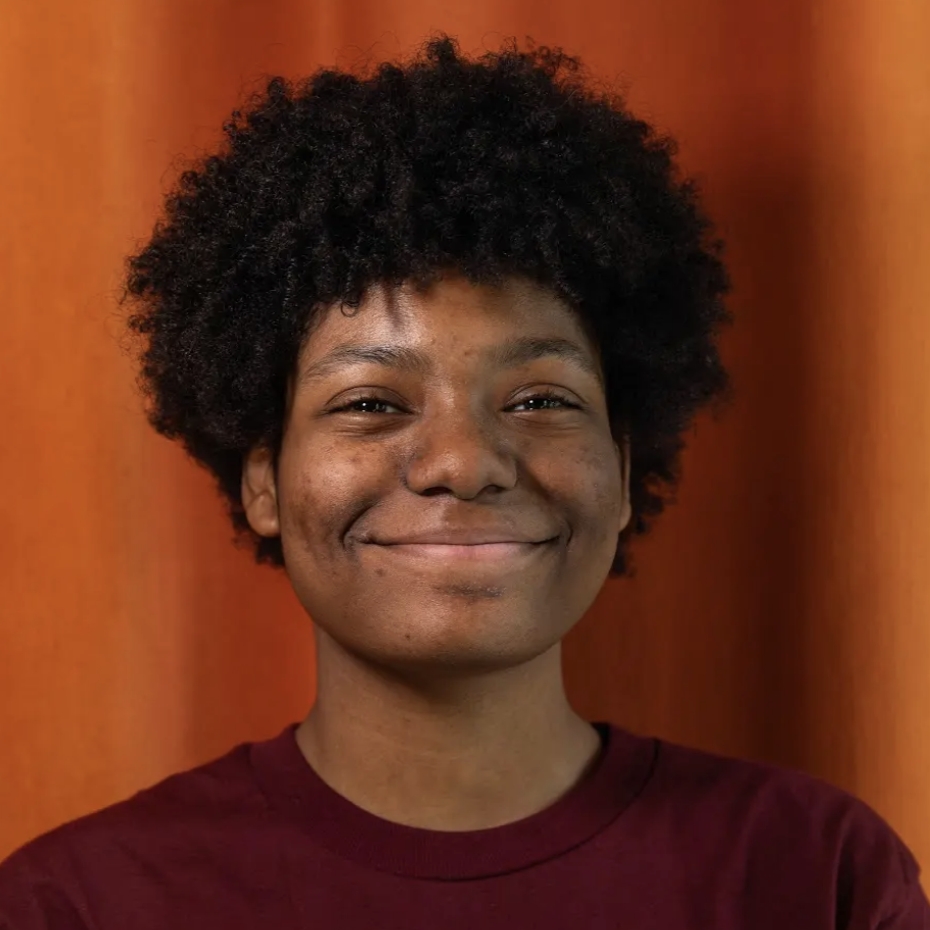
AJ King - S-p-e-l-l-i-n-g B-e-e P-r-o-d-u-c-t-i-o-n Inspired
Spelling Bee has been a musical I've been fascinated with since I stumbled upon it in 2020. For my birthday last year I got tickets to the off-Broadway run in 2025, and since then I've seen it 5 times. As someone who was very familiar with the script, I was loved the changes that this production had made. I had the chance to see it during their previews, so it was a different show every time I saw it script wise, which I've never experienced before. It made me think, what is the difference between reading the script, watching it, and performing it. While there are a few obvious differences, I was really interested in how I can connect my background in performance studies and apply it to the act of performing. I realized that while most people think of how they would interpret a character, I was able to think about how this character interprets this situation. I was very interested in this concept and thought what better production to explore it with than one I've seen 5 times. So I documented the rehearsals, our performance day, my script and playbills from the off-Broadway production exploring how the role of the director/choreographer, audience member and performer differ.
Read More. -
Chuxi Shui - Shared Wounds, Living Relations
This project, Shared Wounds, Living Relations, was developed as a written and conceptual exploration of how performance can make visible the entanglement between human bodies and the environment. Drawing from thinkers such as Édouard Glissant, Lilian Mengesha, and Ana Mendieta, the work considers how both feminized bodies and the land are shaped by extractive systems, and how these shared conditions of damage might be felt, rather than simply represented, through performance. My creative process began with a question: how can performance make invisible or slow forms of harm perceptible? Through writing, I explored breath, slowness, and touch as ways of rethinking relation, not as repair or resolution, but as an ongoing, durational engagement with damage. The text moves between theoretical reflection and a performative score, proposing breathing as a shared, embodied practice that connects bodies to their surroundings. This project also informed my installation work, Breathing with the Wound, where these ideas are translated into an interactive, sensory form.
Read More. -
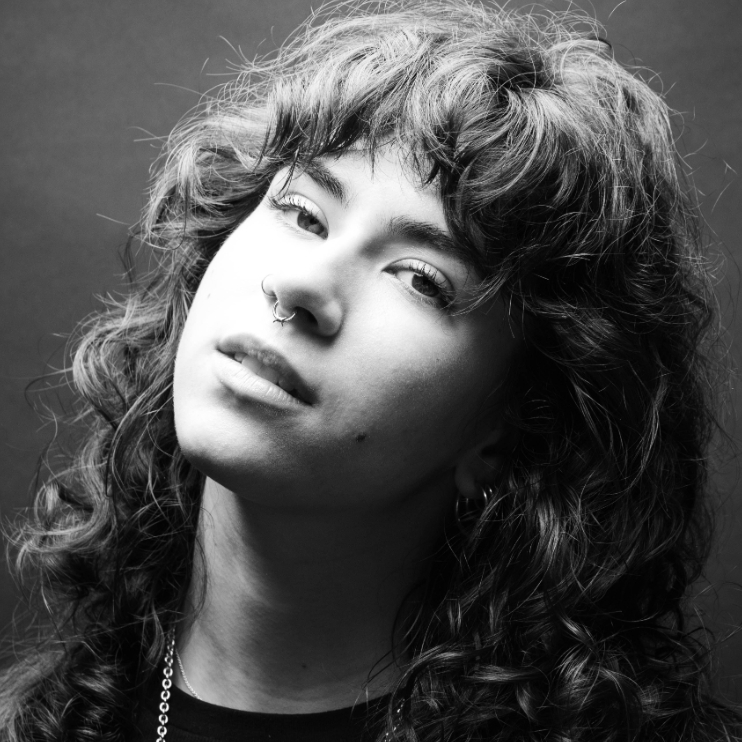
Kendyl Taylor - HOW DO WE UNDERSTAND?
From a young age, we are taught to understand things just because they are spoken or told to us, but we don't have proof of the things we learn because we are too young to know better. We cannot verify or check for ourselves, but once we grow up and gain the ability to verify for ourselves, how do we know what to trust and what is correct? Is anything correct, or do we just accept it to be correct because someone else tells us it is so? But understanding also involves a deep-rooted and dynamic process that requires perception of the world around us and an embodied engagement with the world rather than a belief in "facts." We must encounter or act upon something such as a performance, event, happening, or idea in order to truly understand and interpret it. Our interpretations influence how we perform in return, since we are making sense of beliefs, identities, and structures of our everyday existence.
Read More. -
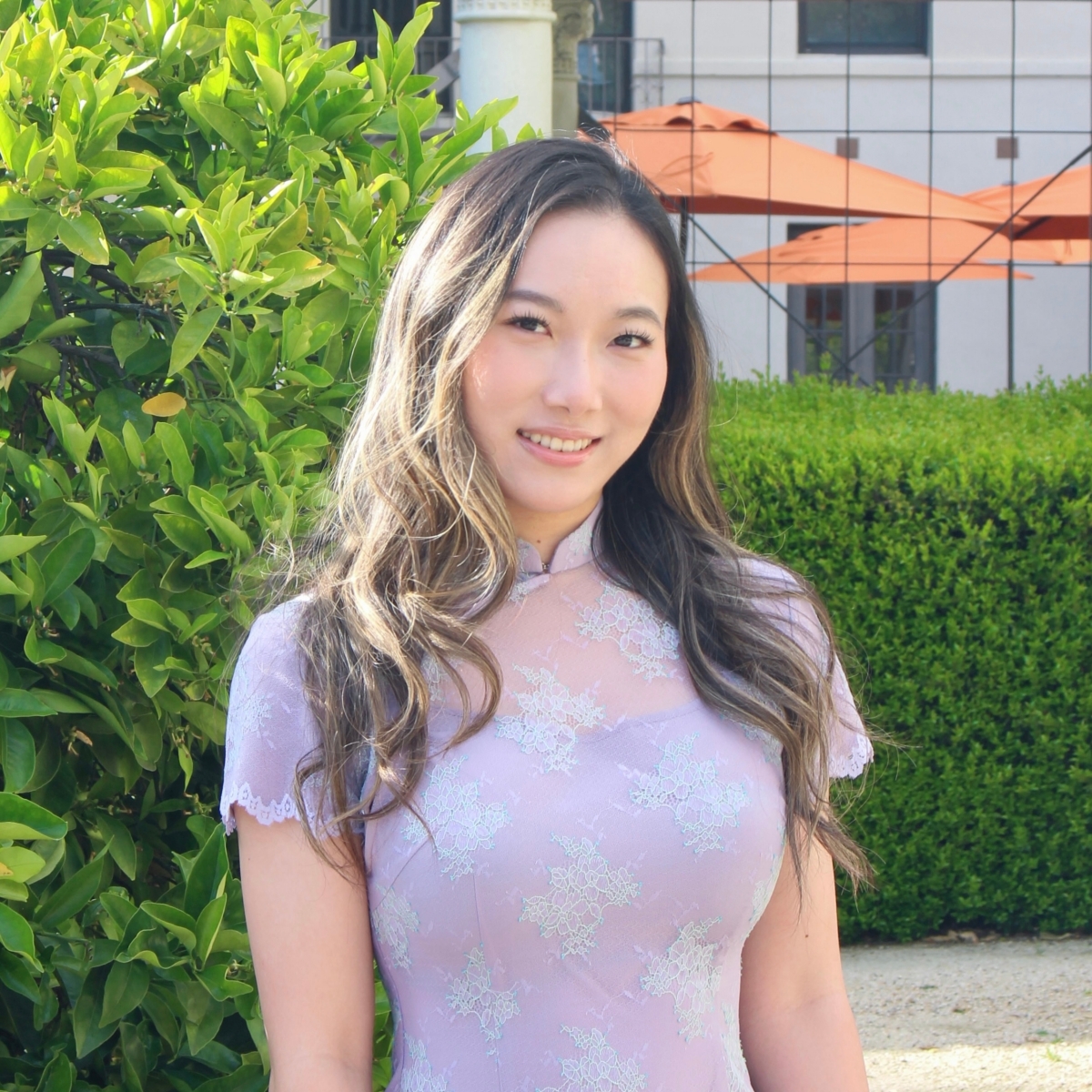
Vela Xiyuan Zhu - Staging Visibility: Tseng Kwong Chi’s Performances of Opacity and Exposure
This assignment is a research paper examining the photographic and performance practice of Hong Kong-born artist Tseng Kwong Chi. Focusing on his two photographic series East Meets West (1979-1989) and Costumes at the Met (1980), the project analyzes how Tseng stages his own body to explore the politics of visibility, identity, and spectatorship. The paper argues that Tseng’s shifting modes of self-presentation: opacity in his landmark photographs and openness in the Met images, which demonstrate how visibility operates as a performative negotiation. My research process combined close visual analysis with theoretical frameworks from performance studies and visual culture. Drawing on scholars such as Peggy Phelan, Rebecca Schneider, and Édouard Glissant, I examined how Tseng uses costume, posture, and gaze to manage how his racialized body is seen and interpreted. Through this interdisciplinary approach, the project explores how performance can function as both an artistic strategy and a critical tool for examining race and representation within Western visual culture.
Read More. -
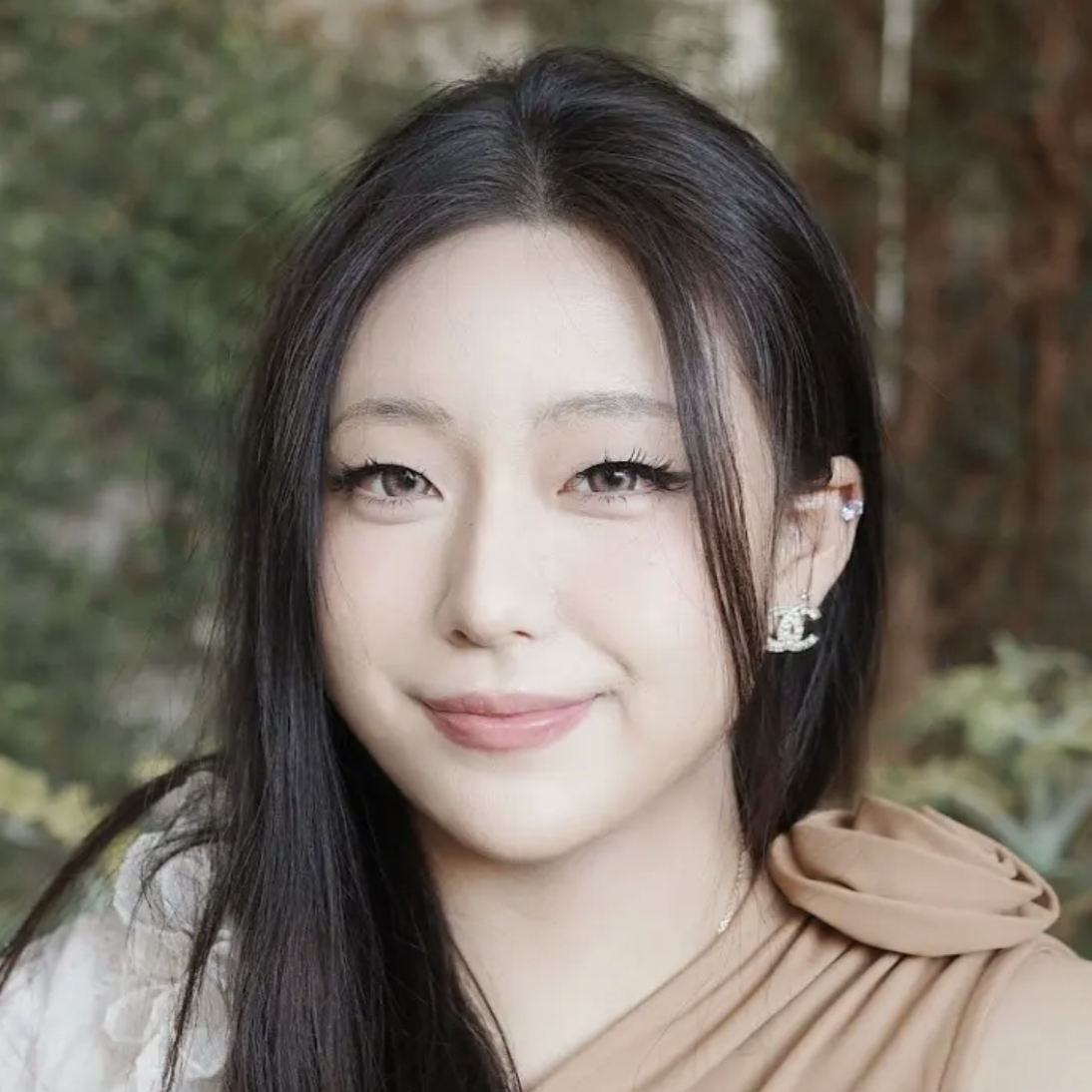
Clover Zou - Breathing the Unspoken
“Breathing the Unspoken” is a scholarly text. It explores the connections between bodily memory, ritual, and self-healing, and examines how movement can serve as a language of healing. The text also examines how the body functions as an archive—carrying pain, trauma, and exile that transcend language—and how performance expresses and transforms these emotions. Drawing on performance theory and phenomenology, particularly Maurice Merleau-Ponty’s concept of embodied perception and Édouard Glissant’s theory of relational identity, the work seeks connections between the body and the land, the self and memory, and the individual and the collective. My creative process begins with repetitive performance exercises. I express abstract emotions through movement, exploring the tension between control and release through breathing, repetition, and stillness. Here, performance does not require a fixed structure; everything flows freely. I allow movement to reveal unspoken emotions, thereby opening up a space for reflection, release, and reconnection.
Read More.
CAPSTONE
-
Alexis Ashe - Girls Night & French Manicure
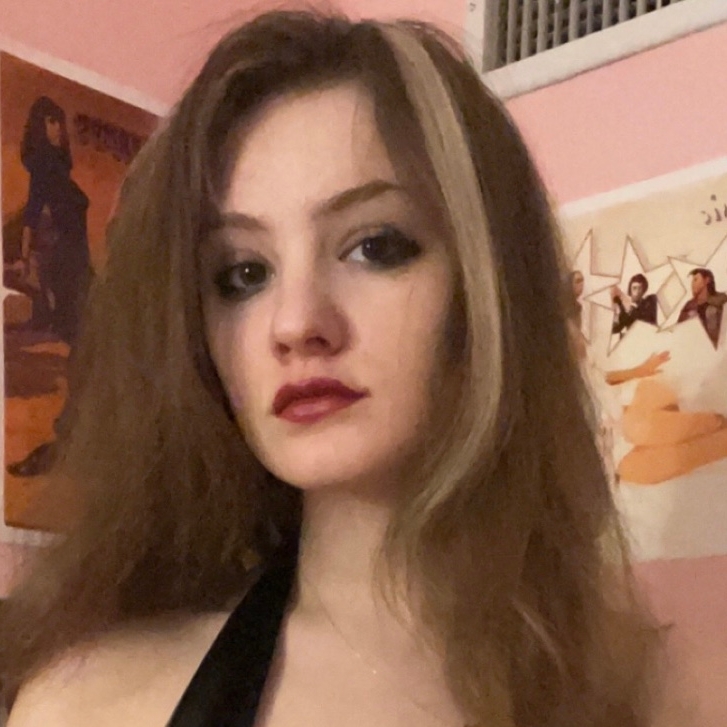
“Girls Night” and “French Manicure" are two poems I am featuring and discussing in my Capstone final project. “Girls Night” explores femininity, the fantasy and reality of girlhood and womanhood, and sexuality through the story of a girl’s night, inspired by my own experiences. The piece establishes the girl’s night as a space where the women feel safe, not only physically, but in terms of expressing sexuality. While not present in this space, the topic of men pervades the conversations. The women use male validation and objectification as a status symbol while viewing certain men as sex symbols, or objects, themselves. While “Girls Night” indulges in nostalgia, “French Manicure” contemplates being “wife material”. Recently, I questioned why I was resistant to being simply “sexy” and I wanted to explore this through the study of the protagonist’s romantic relationship. Was it to excuse my sexuality with intellect? Was it to walk a fine tightrope between sexual expression and classic, kind, unrebellious beauty? I titled the poem French Manicure because a French manicure mimics nails as they exist on the human body, only making them “more perfect”. It serves as a metaphor for how the speaker feels about her own relationship to beauty, femininity, and womanhood.
Read More. -
Clara Yang - Still Here
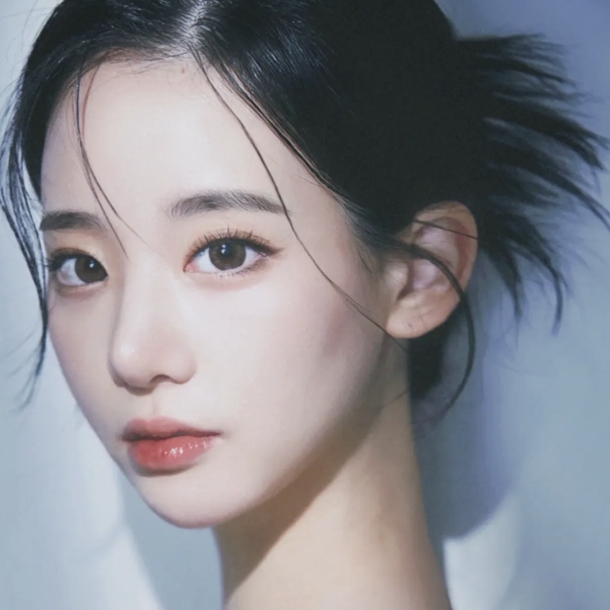
The project, 'Still Here' is a multimedia performance piece that combines AI-generated visuals, video editing, and projection to explore hyperreal spectatorship through an esports figure, Faker. The work integrates visual layers including POV gameplay imagery, extreme close-ups, stadium screens, and symbolic scenes, projected behind a live performer to blur the boundary between digital image and physical presence. By using projection, the piece emphasizes how performance is experienced through mediated images rather than direct observation. My creative process focused on experimentation across Adobe Premiere Pro, AI video generation tools, and Segment Anything (SAM). I used Premiere Pro to edit sequences, control timing, and refine transitions. I generated visuals, isolated elements, and recombined them to explore repetition and pacing. By removing visible causes and focusing on outcomes, I created a hyperreal atmosphere where actions feel inevitable. Through layering and looping, the work reflects how esports performances are reproduced and turned into expectation.
Read More.