The Graduate Film Department at NYU Tisch invites industry professionals to speak and sometimes screen their work on Wednesday evenings during the academic year as part of the "Chair's Workshop" series.
Participants for the 2024-25 academic year included:
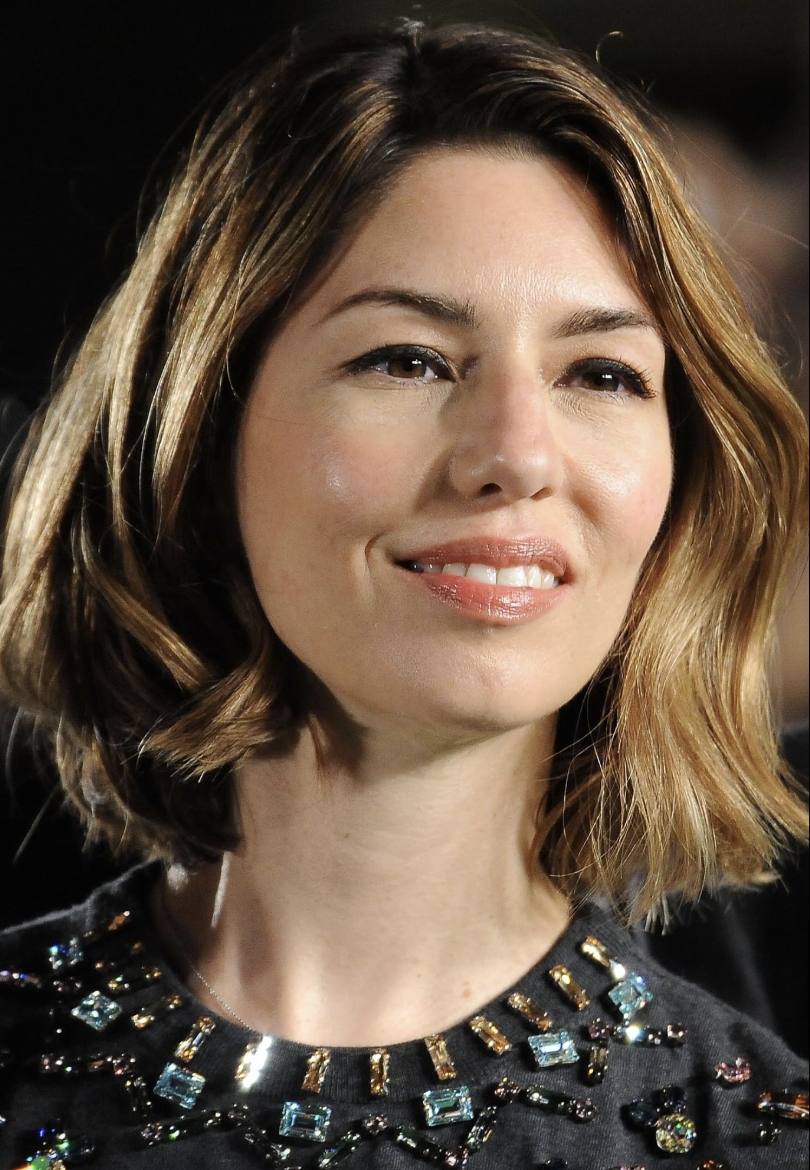
To kick off the Fall 2024 semester, Grad Film welcomed acclaimed filmmaker Sofia Coppola. The event featured a screening of her short film Lick the Star alongside her debut feature The Virgin Suicides. The discussion focused on the creative and technical transition from short films to feature-length narratives, offering students valuable insights into adapting ideas across mediums. The workshop drew an enthusiastic crowd, filling the room to capacity with students standing in the back to absorb the conversation.
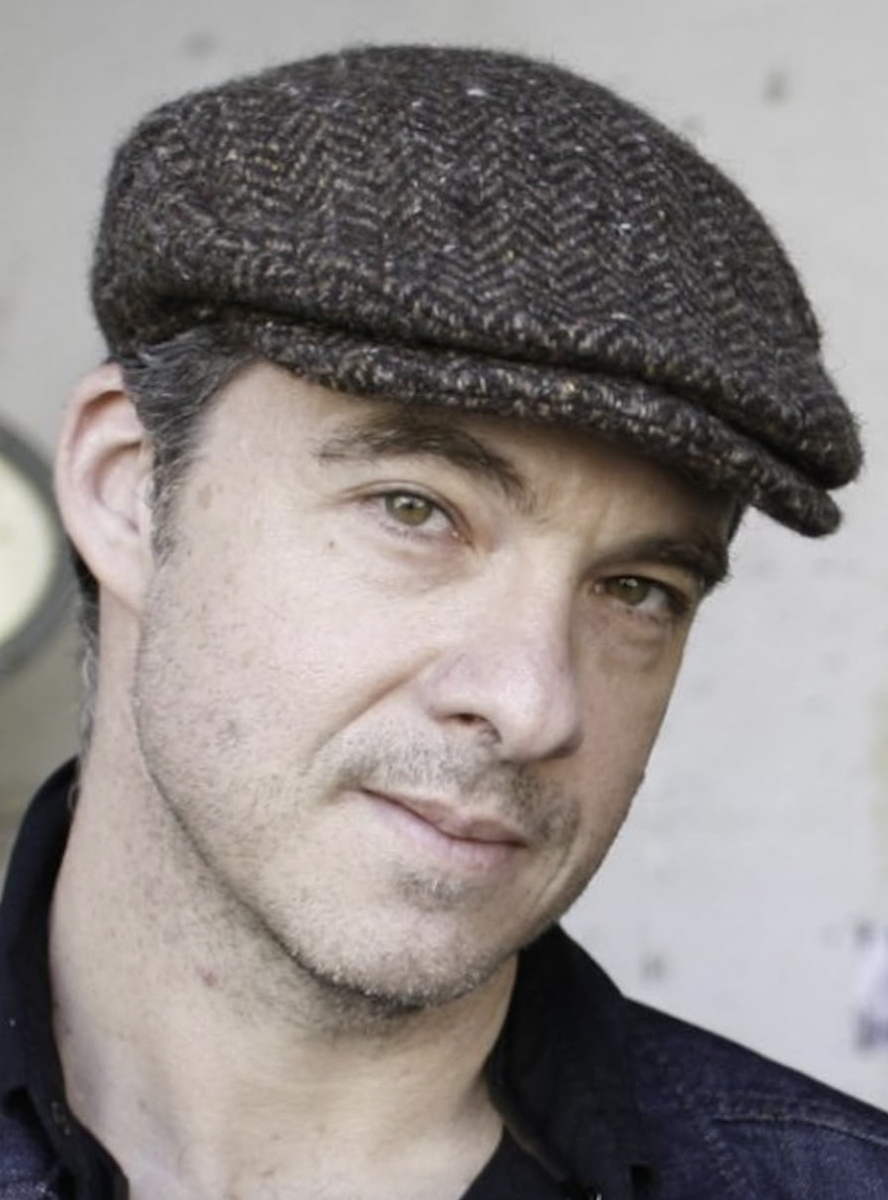
In the second workshop of the semester, Grad Film hosted a screening of War Game with filmmaker Tony Gerber. War Game is a compelling film that blends documentary techniques with fictional storytelling. Tony delved into the film’s unique production process, sharing insights into overcoming challenging technical scenarios on set. He also discussed his collaboration with his co-director, offering practical advice and best practices for navigating creative partnerships. The session provided attendees with a deeper understanding of hybrid filmmaking and effective teamwork in film production.
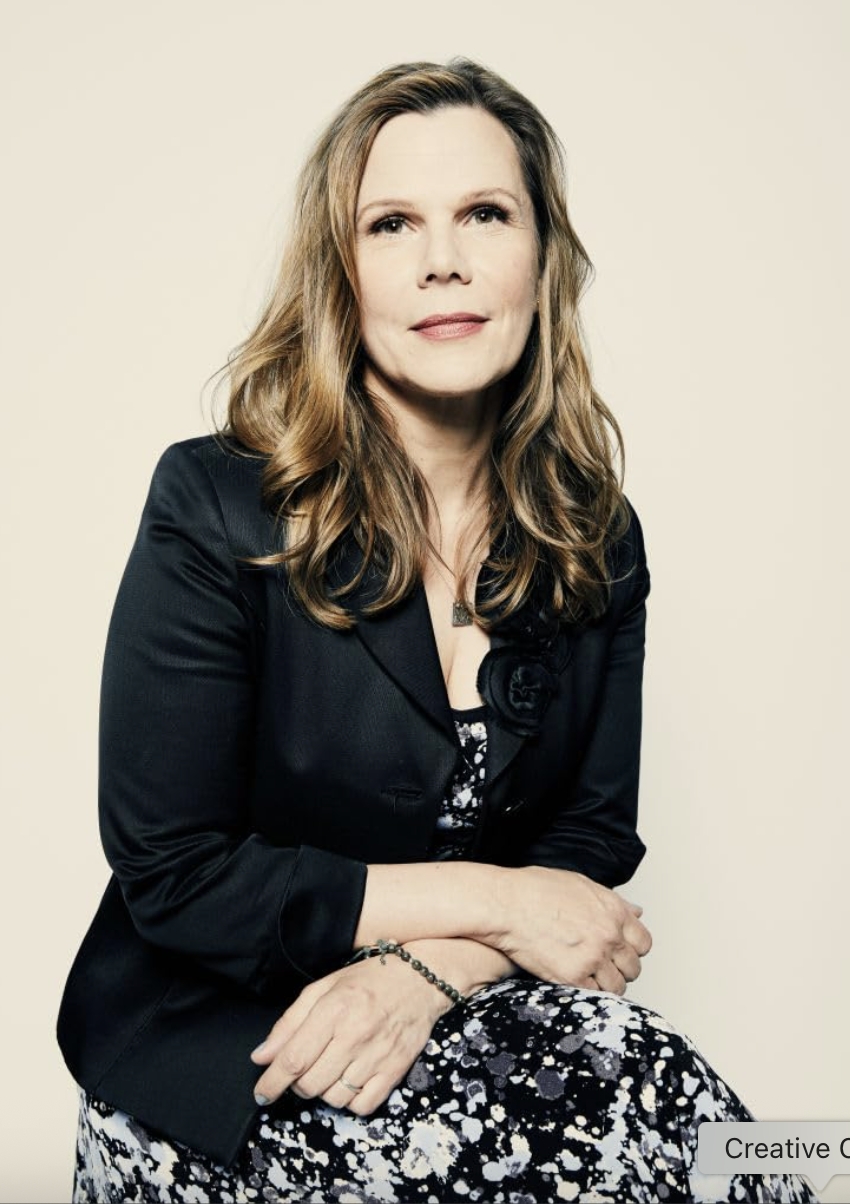
Grad Film screened the premiere episode of the series Three Women, adapted from Lisa Taddeo’s acclaimed book and hosted a panel featuring showrunner Laura Eason and consulting producer Alex Ivker, moderated by Tisch faculty member Lara Shapiro. The discussion provided an in-depth exploration of television production, covering writing, directing, and the complexities of managing a network series. The presence of both a producer and a showrunner offered attendees valuable insights into the pivotal role of showrunners, highlighting their responsibilities and influence in shaping a series.
A significant portion of the conversation focused on best practices for adapting literary works for the screen, using Three Women as a case study. The panelists shared their experiences and strategies for maintaining the integrity of the source material while translating it into a visual medium. Additionally, the panel celebrated the series’ commitment to inclusivity, noting its predominantly female-identifying cast and crew. This aspect sparked a meaningful dialogue on the importance of diverse representation in the television industry.
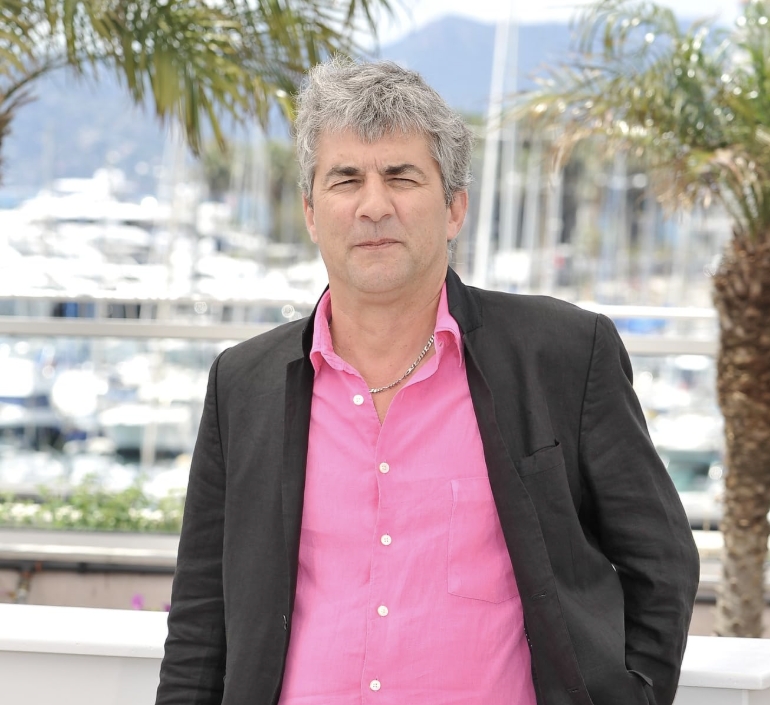
In collaboration with NYU’s La Maison Francaise, Alain Guiraudie was invited to screen his latest film Misericordie. During a panel discussion with Grad Film Chair Julia Solomonoff and La Maison Francaise’s Anna-Caroline Prost, Alain shared insights into the role of sexuality and nature in his work, his strategies for working with actors, and the value of shooting exposed to the elements.
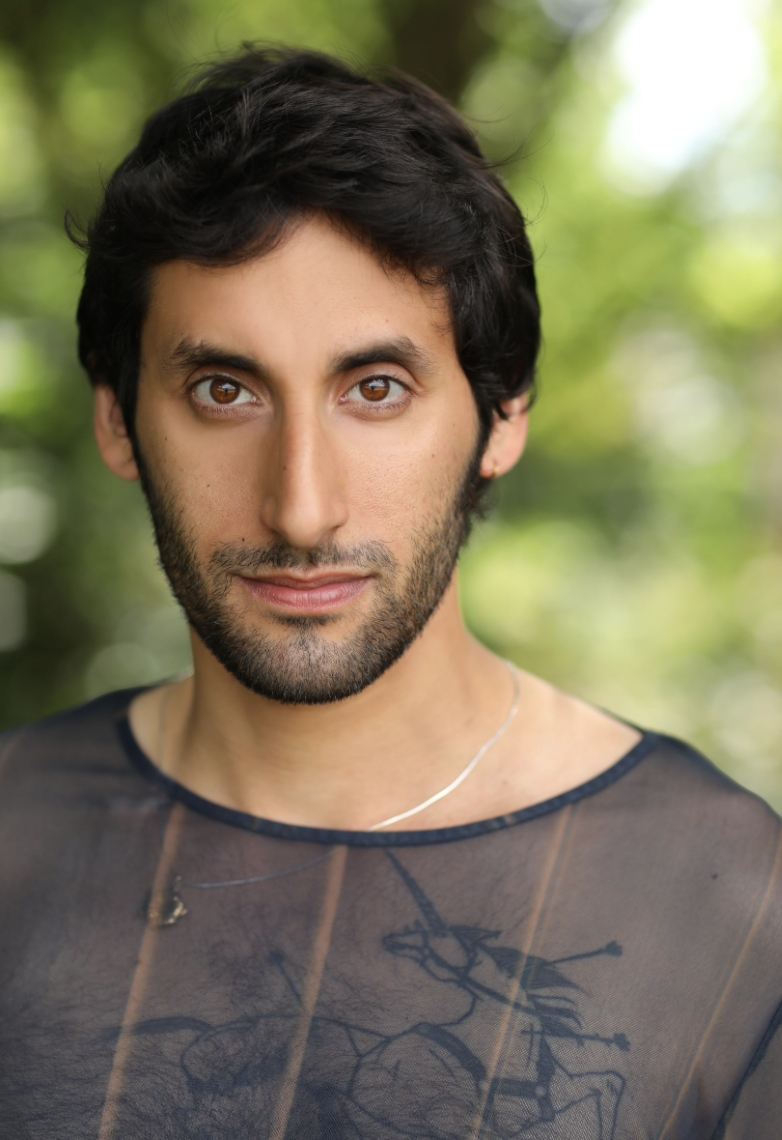
Amrou Al-Kadhi offered the attendees a rare candor about their experiences working with funding institutions, the difficulties they have faced being a “brown” and queer director, telling “brown” and queer stories, the advantages and difficulties of working as both as an actor and TV writer in addition to directing, and making a film with the support of your “chosen family.”
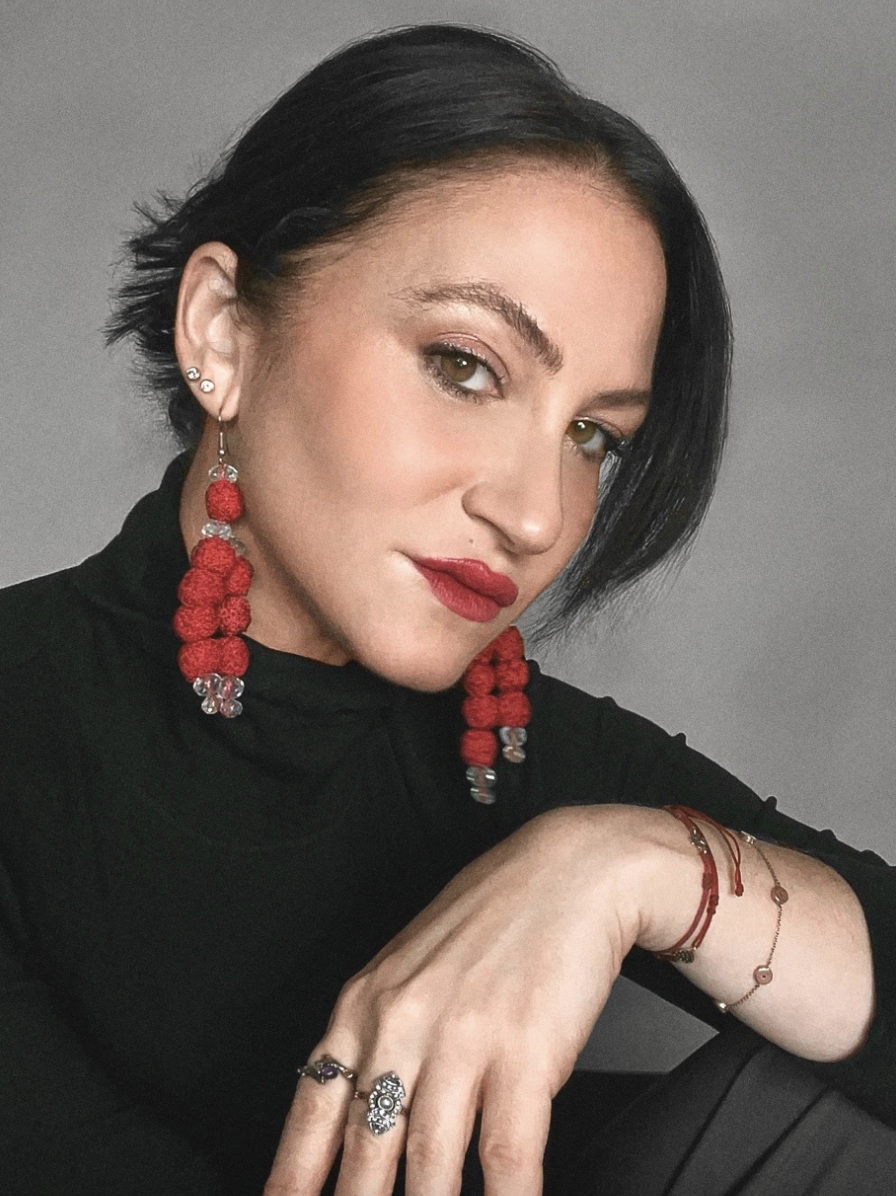
Adjunct-faculty member and Grad Film alum Aslihan Unaldi brought her debut feature Afloat, and shared her experience of developing Afloat from a short script originally conceived while a candidate of the program. The conversation led to interesting discussions about heightening urgency in stories, the difficulties of shooting on a small boat, and using your community to support your filmmaking. The highlight of the evening was the presence of Ms. Unaldi’s father among the audience, who portrayed a masterful character in the film. Afterwards, Mr. Unaldi joined the panel and the conversation led to how filmmakers can invite their family and loved ones into their worlds of storytelling.
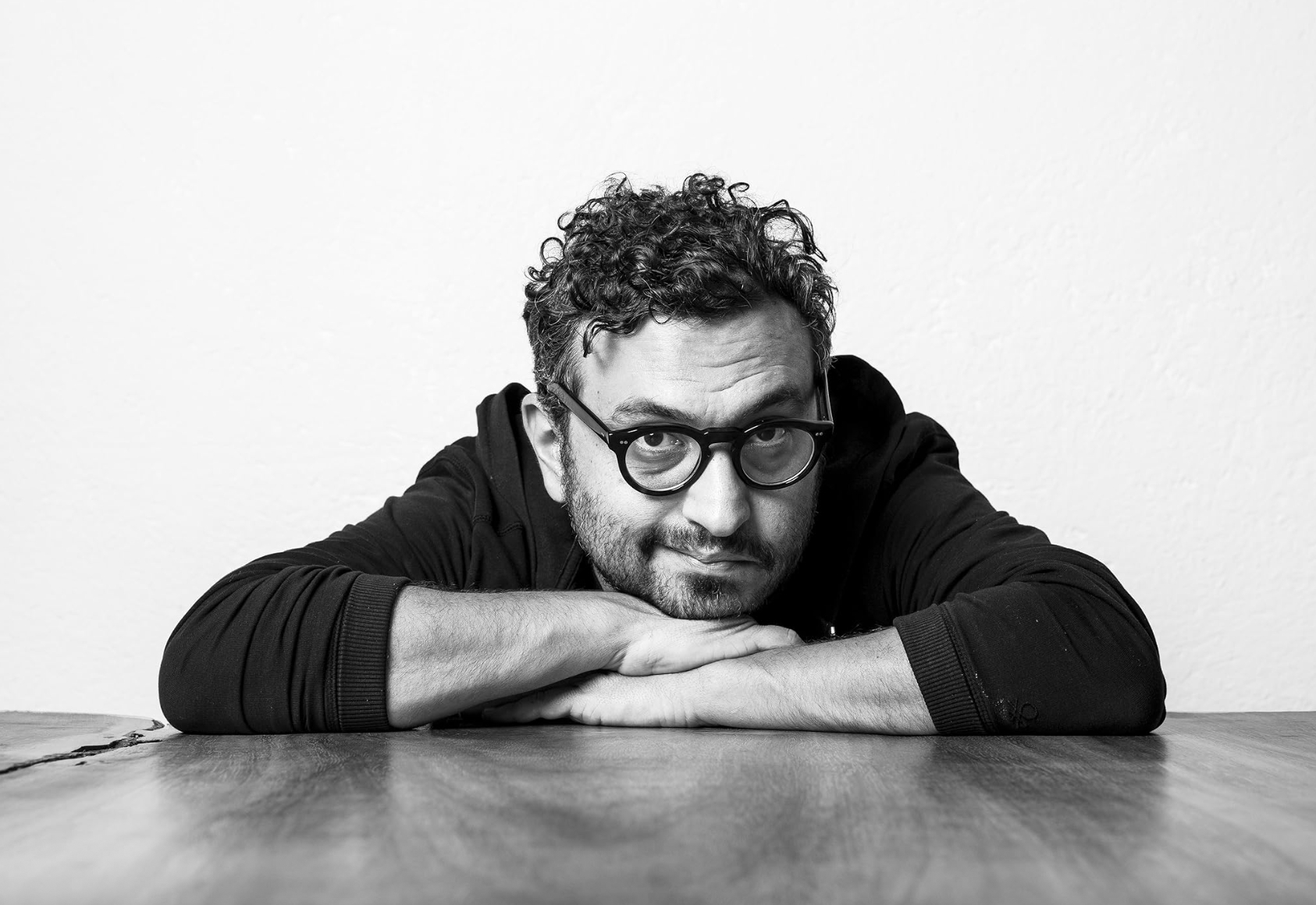
On October 23rd, Grad Film screened La Cocina, followed by an engaging Q&A session with director Alonso Ruizpalacios. Alonso shared how real-life experiences inspired the film’s concept, emphasizing his commitment to preserving his artistic vision throughout the filmmaking process. The discussion delved into the progression from initial idea to pre-production, highlighting his collaborative practices with actors and crew. Alonso also provided insights into set construction and the execution of the film’s complex, impressive camera work, offering attendees a comprehensive understanding of his indie filmmaking approach. Students were highly engaged and curious about his rehearsal process and elaborate blocking.
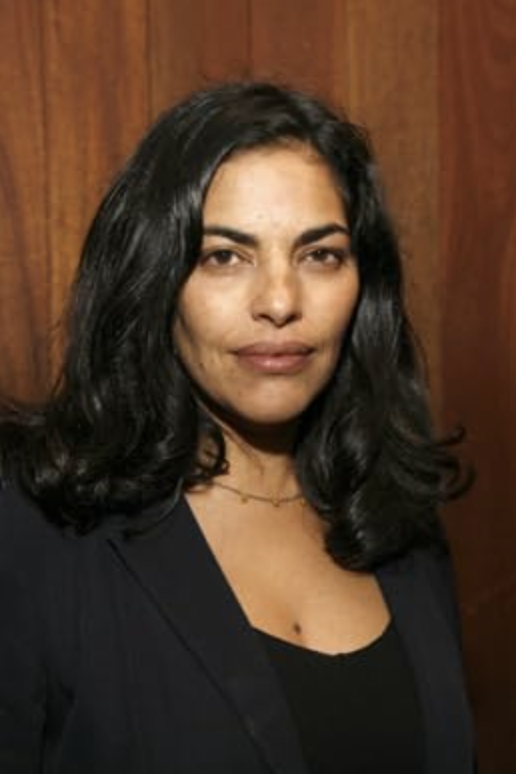
Sarita Choudhury, lead actress of Mississippi Masala, offered valuable insight from the other side of the camera. The fascinating conversation covered her “discovery” by Mira Nair, working with experienced actors as an actor without prior experience, and an abundance of directing tips and strategies from the perspective of an actor.
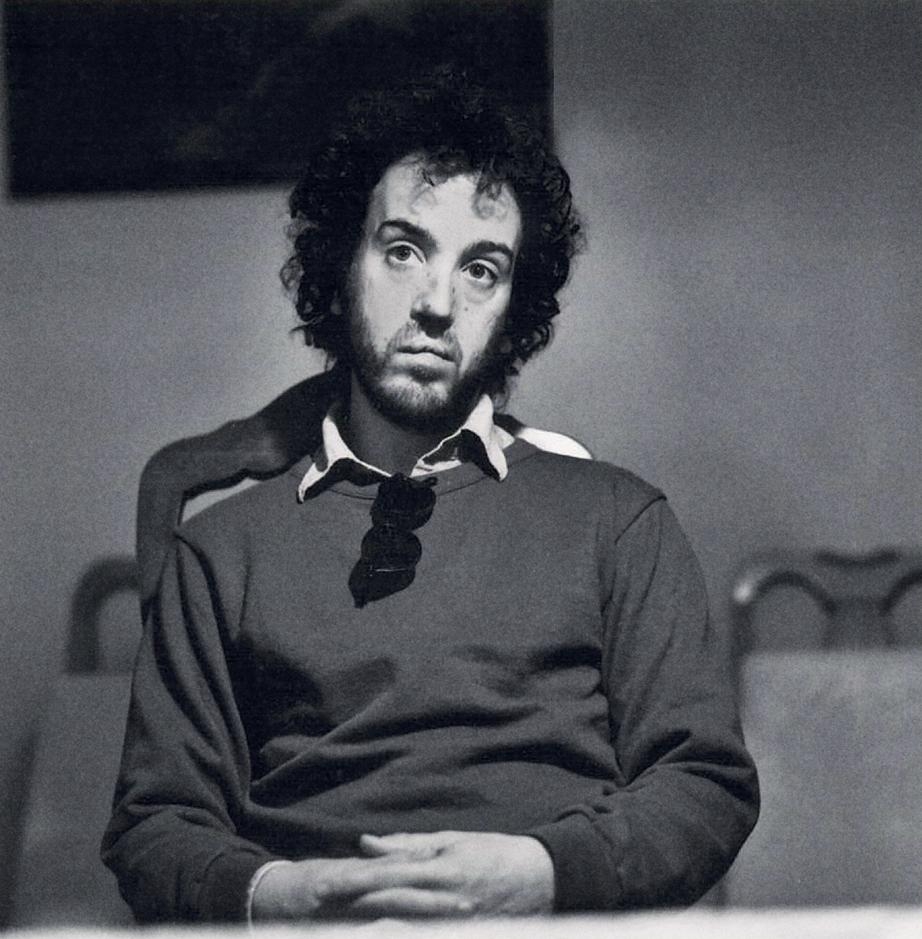
Aaron Schimberg brought his sophomore feature, A Different Man, to the Chair’s Workshop which led to a profound conversation on the ethics of representation, the anxieties experienced as a filmmaker, collaborating with your spouse, and the experience of taking the step up to work with a prestige production and distribution company.
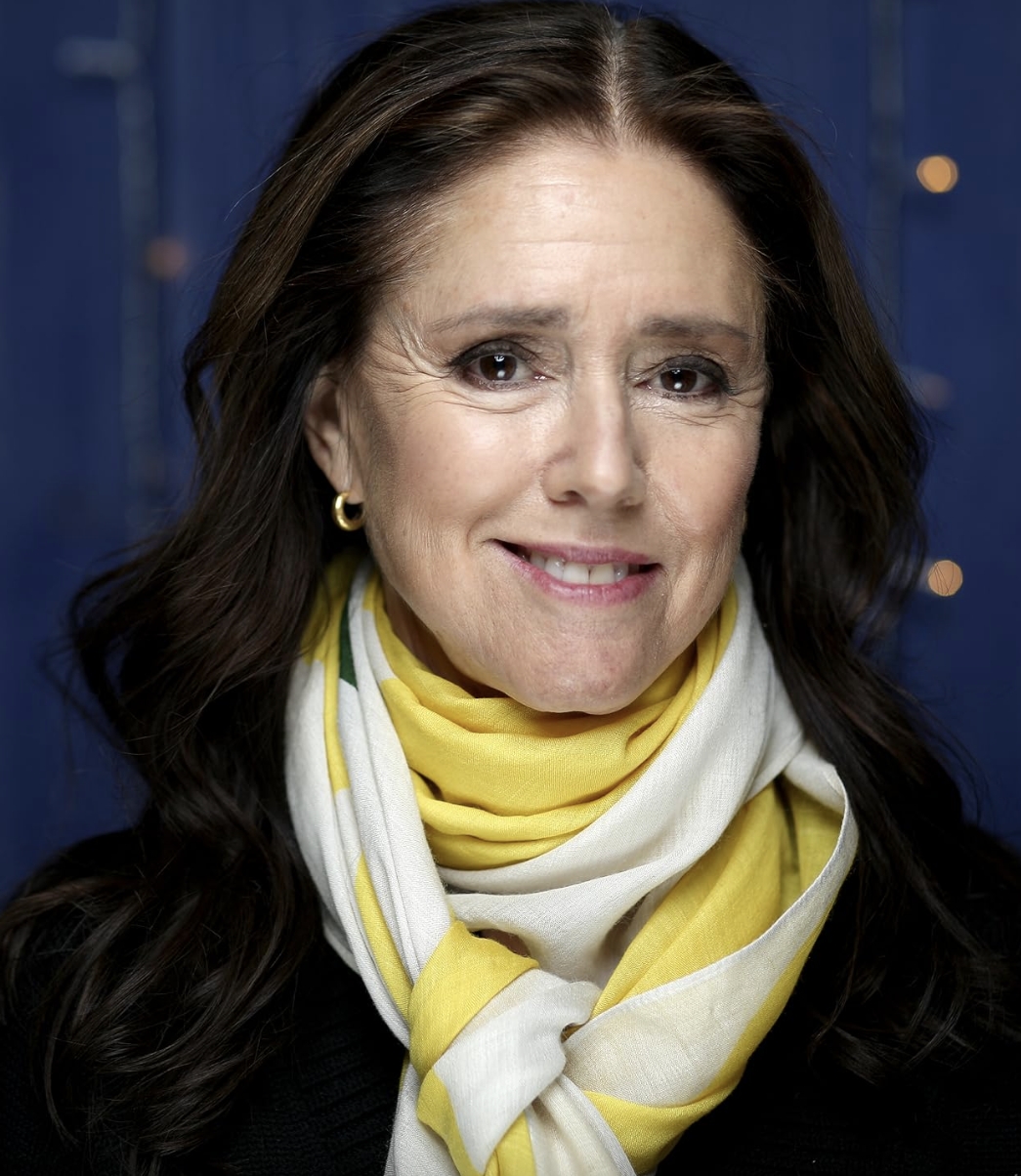
In collaboration with the Design Department, Grad Film had the distinct honor of hosting renowned director and writer Julie Taymor at the Iris & B. Gerald Cantor Film Center. Unlike previous events, this session was a panel discussion without a preceding screening, offering an intimate exploration of Taymor’s illustrious career.
Taymor shared profound insights into her creative journey, discussing the diverse sources of her inspiration and the significant influence of her extensive travels on her artistry. She delved into the intricate design elements and innovative techniques she employs in both film and theater, providing attendees with a comprehensive understanding of her multidisciplinary approach to storytelling.
The event was a remarkable opportunity for students and faculty to engage with one of the most visionary artists in contemporary theater and cinema, gaining valuable perspectives on the fusion of design and narrative in her work.
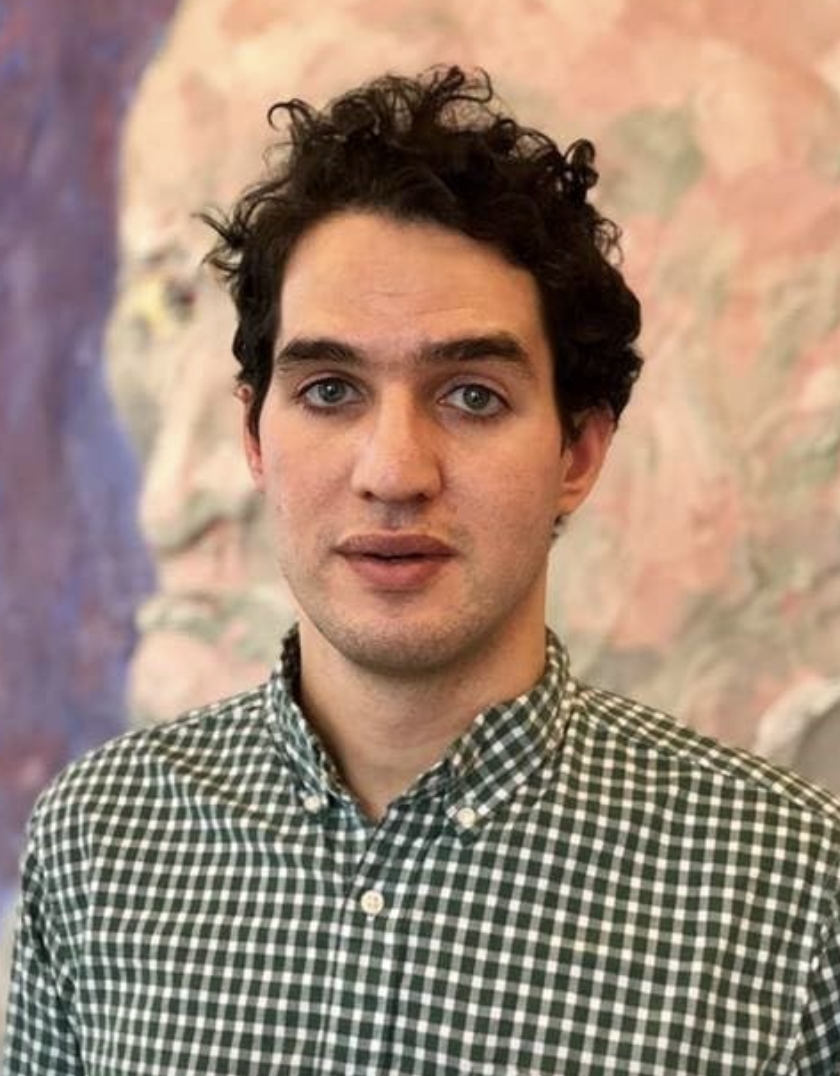
In December, the Chair’s Workshop hosted Benny Safdie for a Q&A following a screening of his debut feature Daddy Longlegs. The discussion was rich with anecdotes and insight, focussing on low budget filmmaking strategies, improvisation and the difficulties he and Josh Safdie faced getting their next feature off the ground. The Q&A lasted approximately an hour and a half, and following the talk Benny joined the students at the White Horse to continue the conversation over snacks.
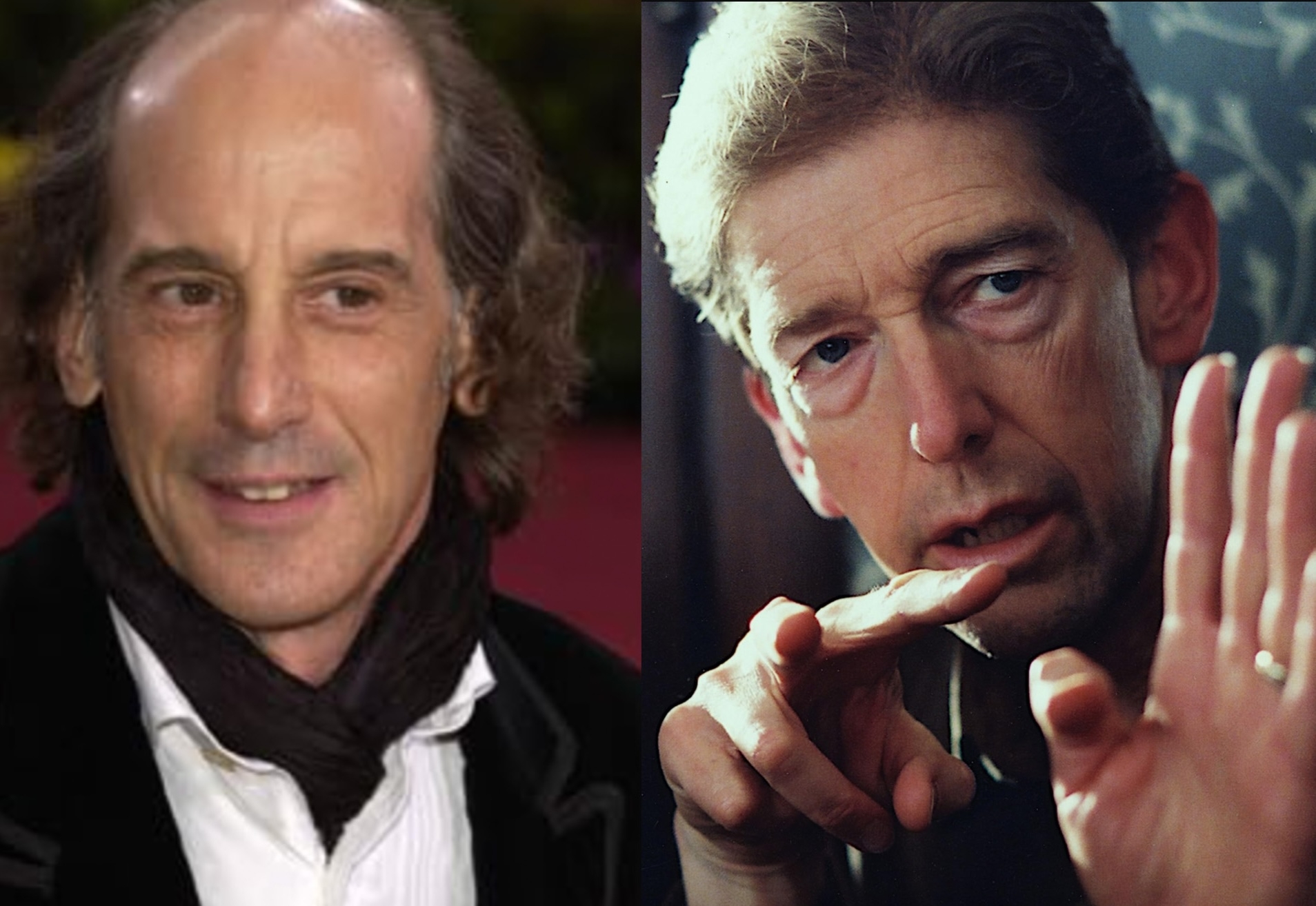
Grad Film Adjunct Faculty and renowned cinematographer Fred Elmes conducted an in depth conversation with cinematographer Ed Lachman. It was an amazing opportunity to learn from two real legends of American film in an intimate, relaxed and in depth conversation.

Julio Torres spoke candidly about feeling unprepared to direct his debut, offering film students in the audience a refreshing look at creative vulnerability. He emphasized the value of collaboration, highlighting Tilda Swinton’s generous support, which underscored for aspiring filmmakers the importance of trust and teamwork on set. He also discussed channeling personal experiences into the film, using a heightened tone to make difficult material more approachable.
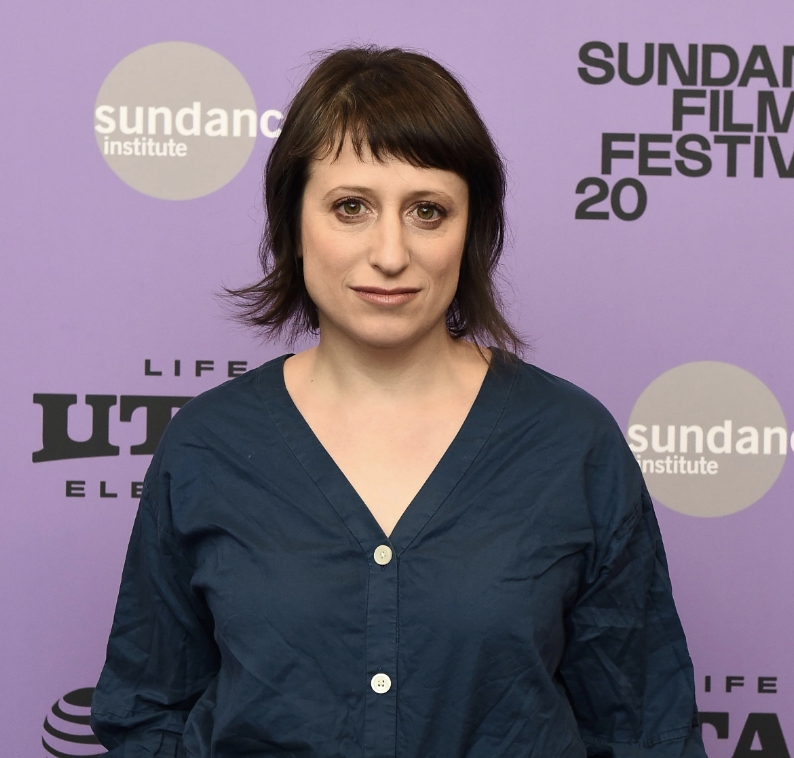
Director Eliza Hittman engaged students with a detailed look at her casting process, sharing self-tapes from auditions for the lead role. She spoke thoughtfully about the ethics of working with non-actors, offering insight into building trust on set, and responsibilities post-release, and reflected on the challenges and rewards of directing inexperienced actors.
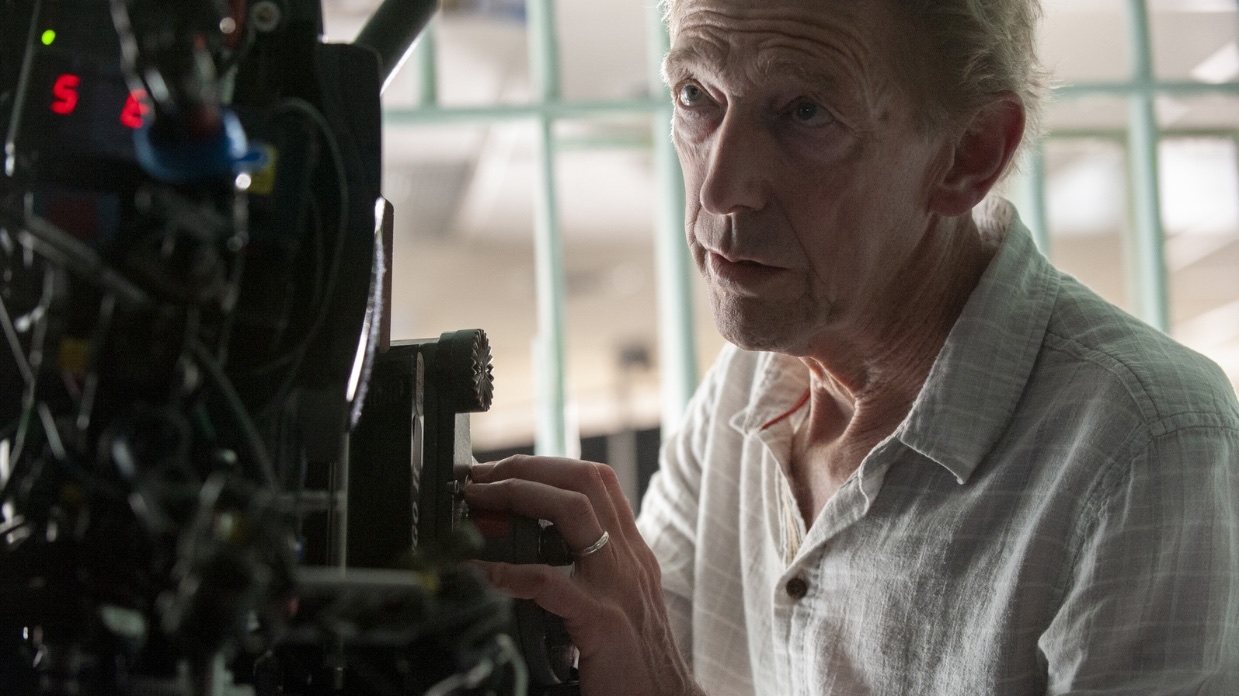
Following a commemorative screening of Blue Velvet honoring David Lynch, cinematographer Fred Elmes spoke to the students about his decades-long collaboration and friendship with the director. He reflected on how Lynch's singular vision was communicated and realized on set, emphasizing the deep creative dialogue between director and DP. Their early work on Eraserhead was also discussed, illustrating the foundations of a uniquely cinematic partnership
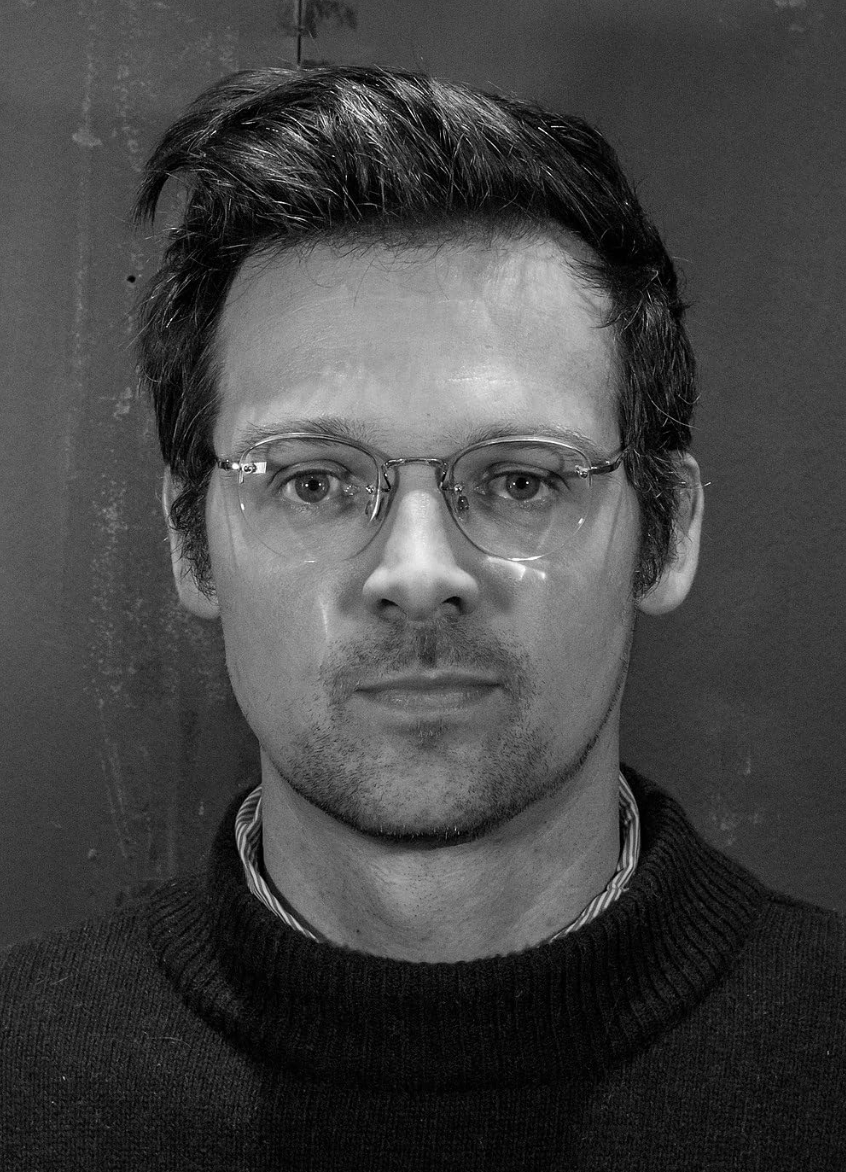
Following a screening of Universal Language at the Angelika Film Center, director Matthew Rankin and co-writer Ila Firouzabadi engaged with film students in a discussion that highlighted the film's cross-cultural genesis and its distinctive visual style. They delved into their shared admiration for Iranian cinema, particularly the works of Abbas Kiarostami, and how this influenced their creative process. The conversation emphasized the film's unique setting—a whimsical Winnipeg where Farsi and French are spoken—and how this fusion of cultures was central to the narrative. Firouzabadi and Rankin also discussed the importance of production design in bringing their surreal vision to life, offering students insights into how visual elements can enhance storytelling.
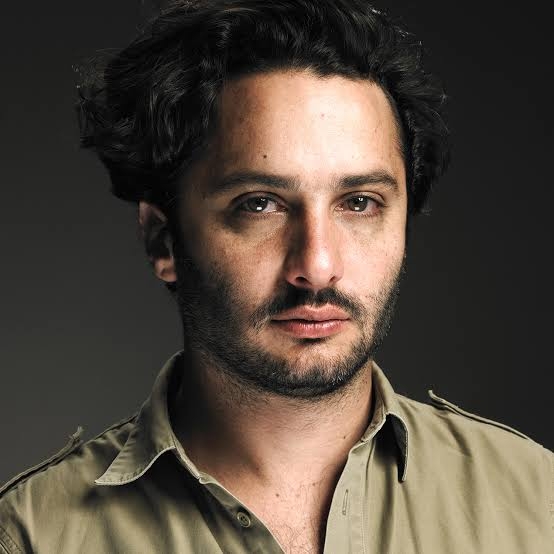
Following a screening of Kékszakállú, director Gastón Solnicki offered students a rare glimpse into his unconventional filmmaking approach. He emphasized his commitment to working without a traditional script, instead favoring on-the-day improvisation to discover authentic moments. Solnicki discussed how this method, while challenging for his crew, allowed the film to find its shape organically during editing. Drawing from his documentary background, Solnicki highlighted the fluid boundary between documentary and fiction in his practice. He spoke about casting his own family members, noting how their real-life dynamics enriched the film. This blend of personal history and improvisation provided students with insight into alternative storytelling techniques that prioritize spontaneity and genuine human interaction.
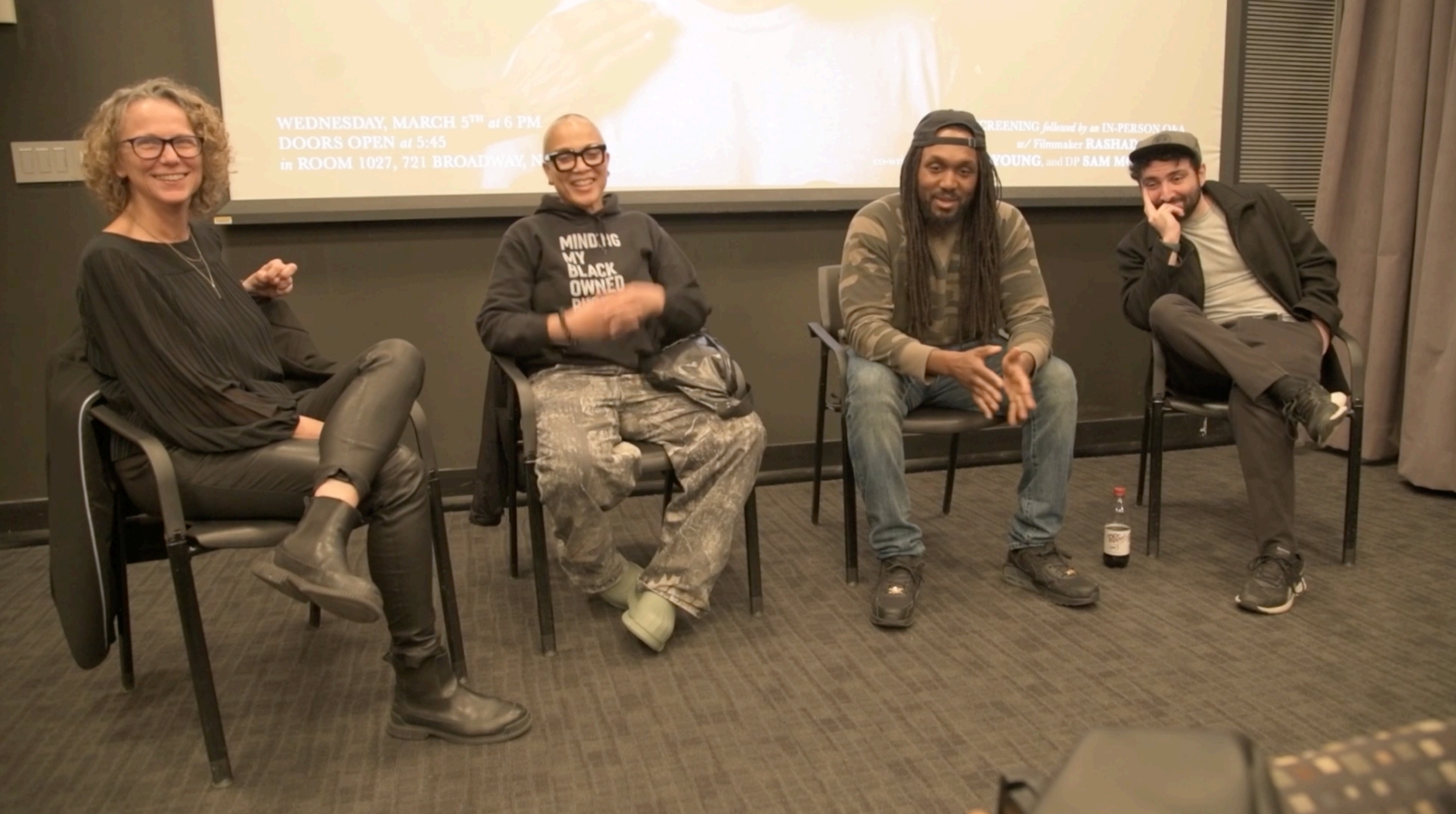
On March 5, Grad Film hosted a screening of Ricky, the Sundance Directing Award recipient, followed by a panel discussion with key members of the creative team: director and co-writer Rashad Frett (MFA ’21, NYU Tisch Graduate Film), co-writer Lin Que Ayoung (MFA ’20, NYU Tisch Graduate Film), and cinematographer Sam Motamedi (MFA ’23, NYU Tisch Graduate Film). The panelists shared insights into their transition from film school to producing their first feature, emphasizing the significance of relationships forged during their academic tenure. They discussed the challenges and triumphs encountered during the filmmaking process, including the necessity of swift decision-making on set, their experiences at Sundance, and the journey of securing financing and participating in various film labs. Frett and Motamedi elaborated on their evolving collaboration as director and director of photography, highlighting how their partnership matured over the years. The session provided students with a comprehensive understanding of the practical aspects of independent filmmaking and the collaborative nature of the industry.
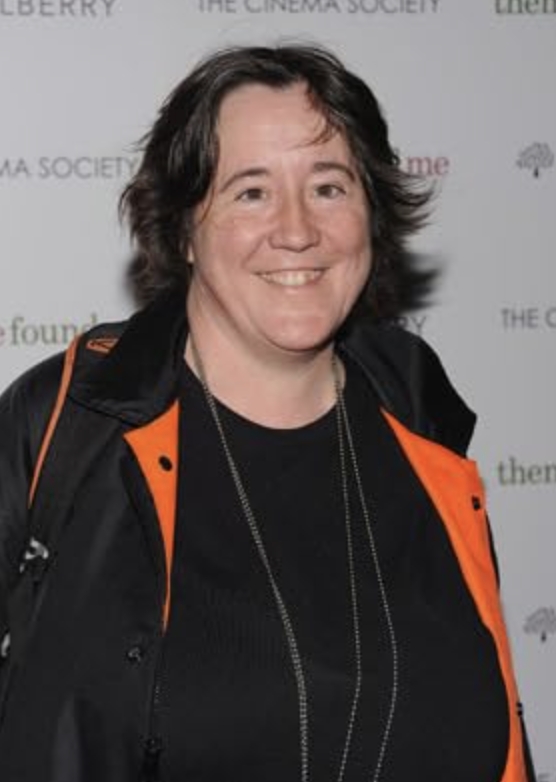
On March 19, The Chair's Workshop had the privilege of hosting renowned independent film producer Christine Vachon for a screening and discussion of Safe (1995), directed by Todd Haynes and produced by Vachon. The film, starring Julianne Moore as a suburban housewife afflicted by a mysterious environmental illness, is celebrated for its unsettling portrayal of self-help culture and societal anxieties. Vachon shared insights into her journey to becoming a pivotal figure in independent cinema, emphasizing her criteria for selecting projects: such as the maturity of the script and the director’s capability to realize the film’s vision. She also discussed her enduring commitment to supporting indie filmmaking and provided valuable perspectives on navigating the complexities of the current film industry landscape, offering guidance to students preparing to embark on their post-graduate careers.
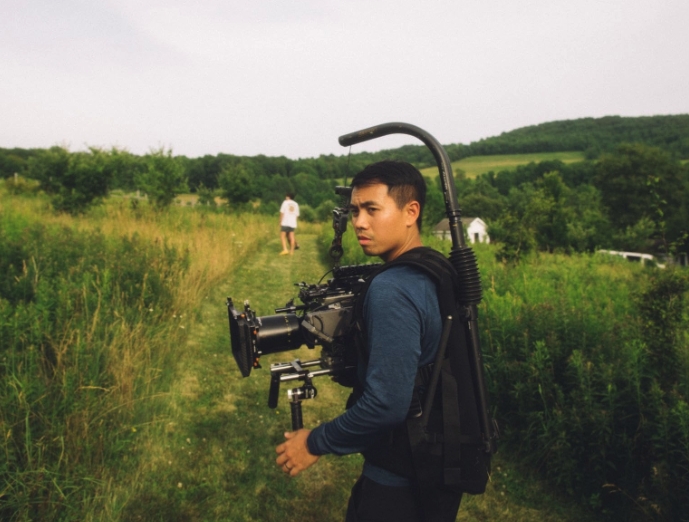
Following a mentorship program led by cinematographer Sheldon Chau, Grad Film hosted a screening of Demba, directed by Mamadou Dia and shot by Chau. Prior to the screening, Dia joined Chau for a conversation about their long-standing and fruitful collaboration. They reflected on the creative and ethical dynamics of working across cultures, emphasizing the importance of mutual respect and cultural sensitivity in the filmmaking process. Dia highlighted how Chau’s outside perspective helped shape the film for an international audience, while Chau spoke about his commitment to approaching culturally specific projects with humility and curiosity. The conversation offered valuable insights for both aspiring directors and cinematographers, deepening students’ understanding of collaborative authorship and visual storytelling across cultural boundaries.
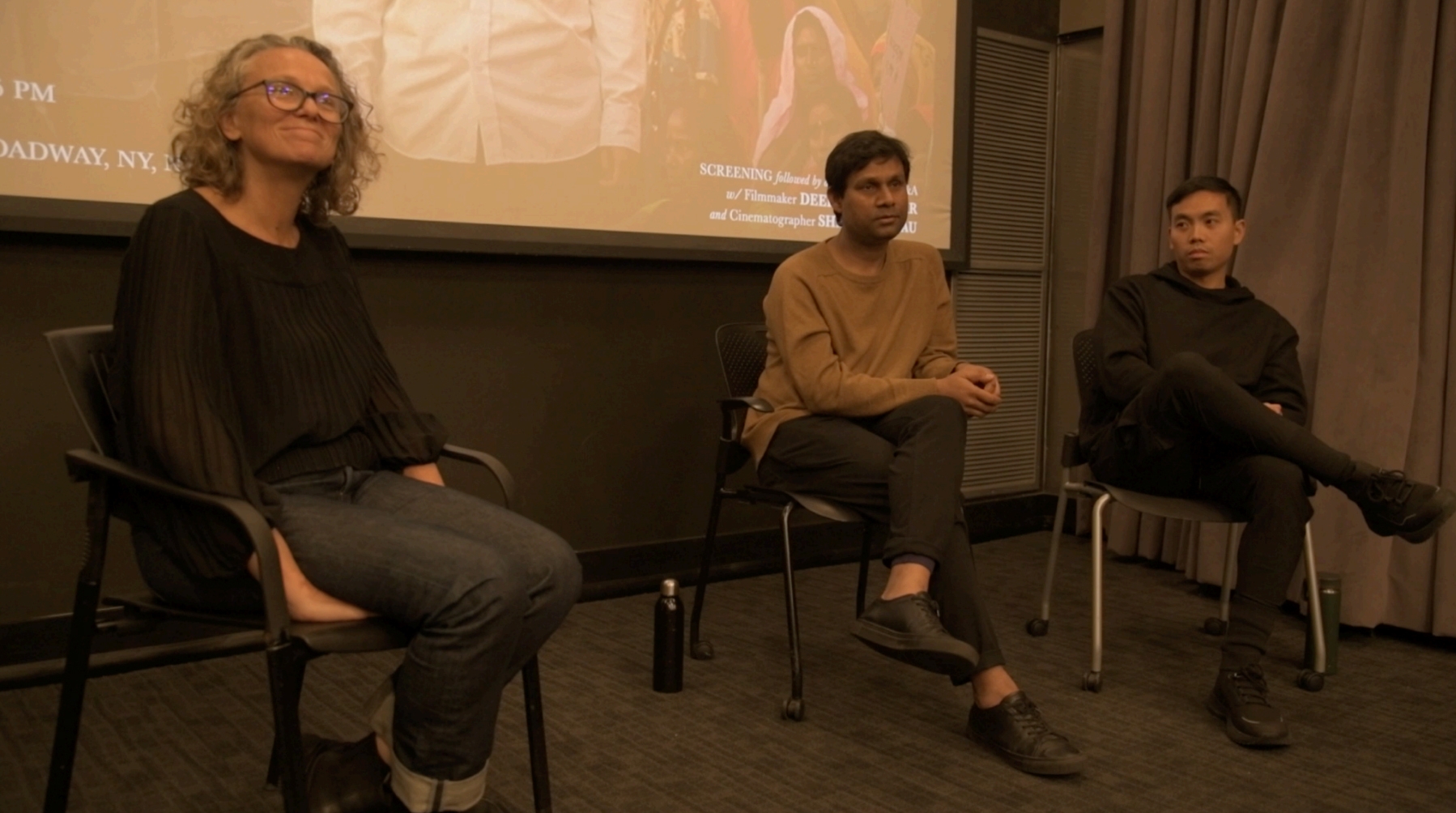
Grad Film hosted a screening of Pooja, Sir (2024), directed by Deepak Rauniyar and shot by cinematographer Sheldon Chau. Both Rauniyar and Chau participated in a post-screening discussion, sharing insights into the challenges of creating a politically charged film and the limitations they faced during production. They spoke about their long-standing collaboration and how they navigate their working relationship on set, with Rauniyar aiding Chau in understanding the cultural nuances of the story. The film, which premiered at the 81st Venice International Film Festival and has garnered international acclaim, provided a compelling case study in cross-cultural collaboration and the complexities of political storytelling.
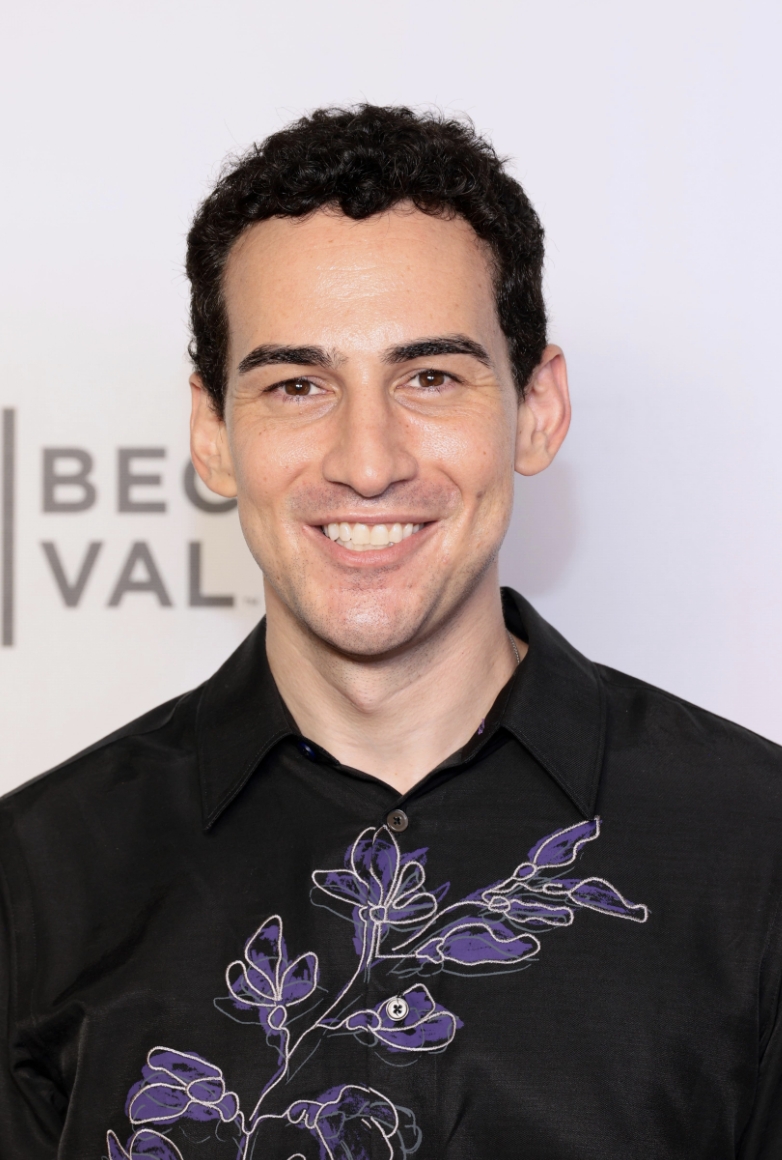
On April 23, the Chair's Workshop welcomed Nicholas Colia, an NYU Tisch School of the Arts Graduate Film alumnus (MFA ’19), for a screening and discussion of his debut feature film, Griffin in Summer. Colia, who received the Martin Scorsese and Maurice Kanbar Scholarships during his time at NYU, shared insights into adapting a short film into a feature-length narrative, focusing on the nuances of crafting comedy in film. He delved into his casting process, highlighting how he discovered actors who could authentically embody the film’s characters. The session fostered a heartwarming and comfortable atmosphere, encouraging open dialogue between Colia and the students.
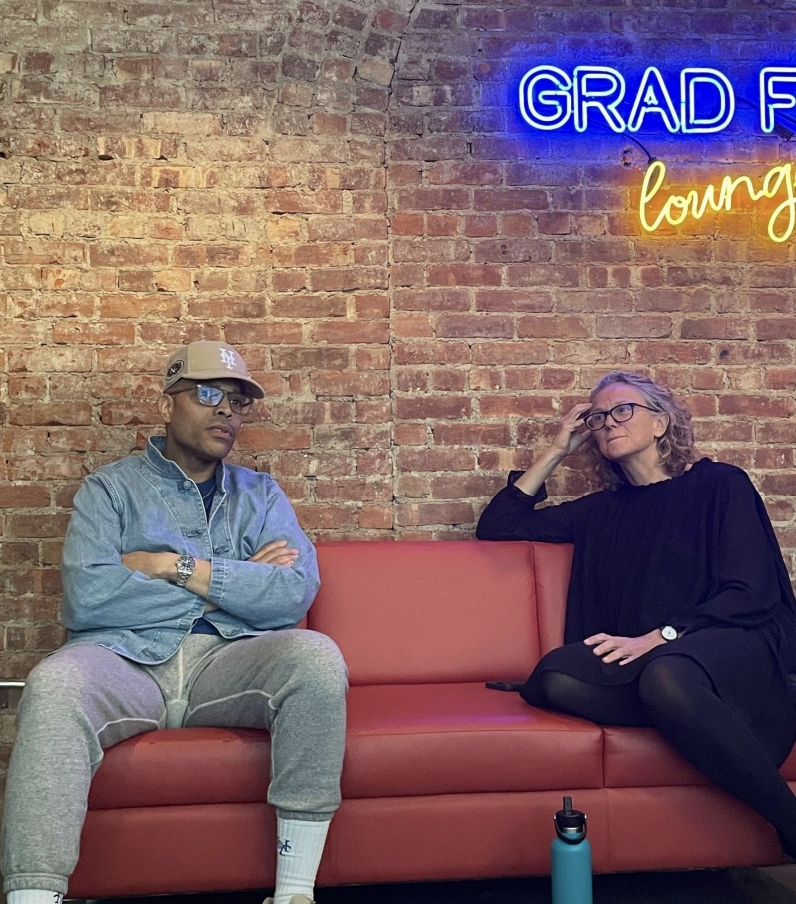
Grad Film hosted a lunch in the department lounge where Reinaldo Green (MFA '16) joined for a casual, candid, and insightful conversation.
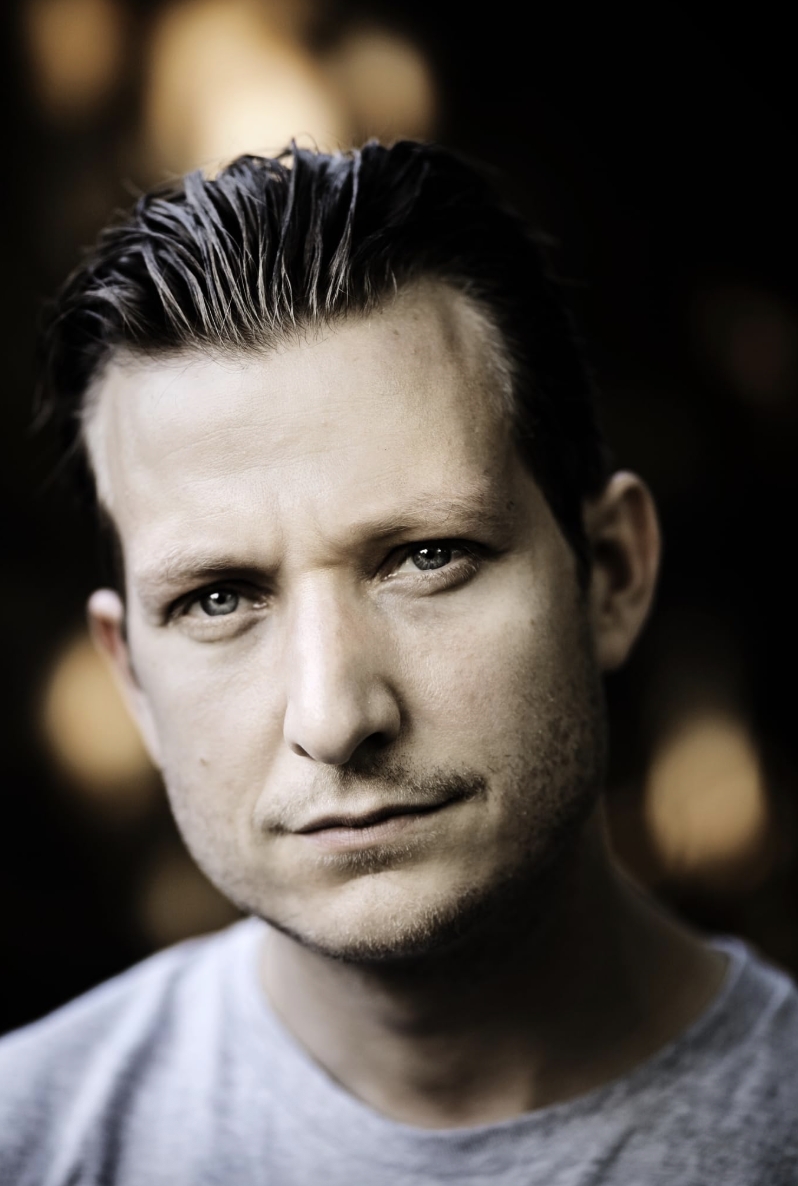
Grad Film hosted acclaimed Danish filmmaker Tobias Lindholm for a three-hour panel discussion on April 24. Lindholm, known for his work on The Hunt and Another Round, offered in-depth reflections on his creative process as both a writer and director. He spoke candidly about his long-standing collaboration with director Thomas Vinterberg and shared insights into his working relationship with his wife, his producer. Drawing from his experience in crafting emotionally resonant narratives, Lindholm provided students with practical advice on writing for the screen, emphasizing the value of trust in creative partnerships and the importance of structure in storytelling. The session was both inspiring and intellectually rigorous, offering a rare opportunity for students to engage directly with a filmmaker of international stature.