AM: The show starts in 1913, setting the stage for the fight for women’s right to vote. Over 100 years later, there are still many things that the women’s rights movement is fighting for. What do you think is one of the primary focuses of the women’s rights movement today?
RS: I think two major fights have come out of the suffrage movement, one of which is, of course, the continued fight for women's equality.
Alice Paul, who's the protagonist of our show, wrote the first draft of the Equal Rights Amendment, the ERA, and she died when it was out for ratification. She never knew it didn't pass. Over the past few years, there has been so much renewed interest in fighting for the ERA’s passage. There are many groups that have been focusing on that.
That’s one thematic element that I think resonates today. The other is, of course, voting rights. We continue to see gerrymandering and voter suppression in such an intentionally discriminatory way, in particular in counties that disadvantage people of color and those of lower economic status. So it's very interesting how the show is exploring these issues, and maybe compelling folks to take some action or think about it a little more deeply, especially as we're in an election year. It feels like the country and the promise of democracy are at stake.
AM: Speaking of, I understand the show makes a point to address aspects of the Suffrage movement that historically excluded women of color. Although the movement succeeded in its goal of getting the women’s right to vote by 1920, native women wouldn’t fully have that right until 1962, and black women until 1965. Can you talk a bit about the significance of including that side of the movement in Suffs?
RS: It's a really great question. When Shaina and I started on this journey a decade ago, it was just, wow! This is such an exciting story. How do we stay as historically accurate as possible? Which is really interesting if you're obsessed with the history, but is not as dramatically compelling.
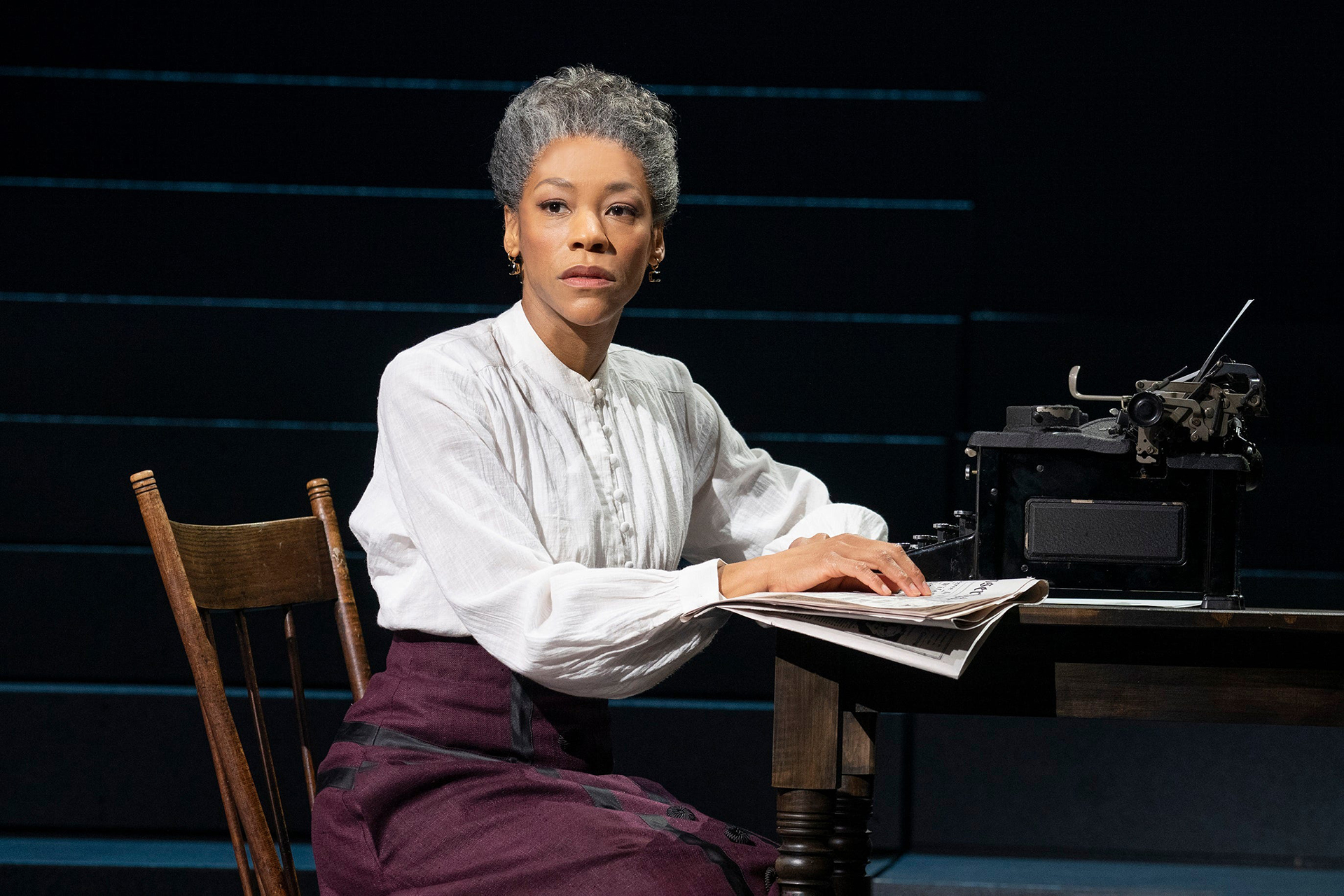
As we know, the suffrage movement has been historically whitewashed in a lot of ways. In Suffs, we portray Ida B. Wells and Mary Church Terrell, who were two very prominent black activists, suffragists, and both co-founders of the National Association of Colored Women. They help to shine a light on the fact that this movement had blind spots.
The complexity of it was also their relationship with each other, and also the way they had different means of achieving the same goal, just like so many of the other Suffs. So we see that different Suffs have different human motivations throughout the show.
The Nineteenth Amendment in many ways was the beginning of this ongoing fight for equality. It didn't achieve everything that Alice Paul dreamed of, it was just one step in a much longer road.