Spring 2026 Events
-
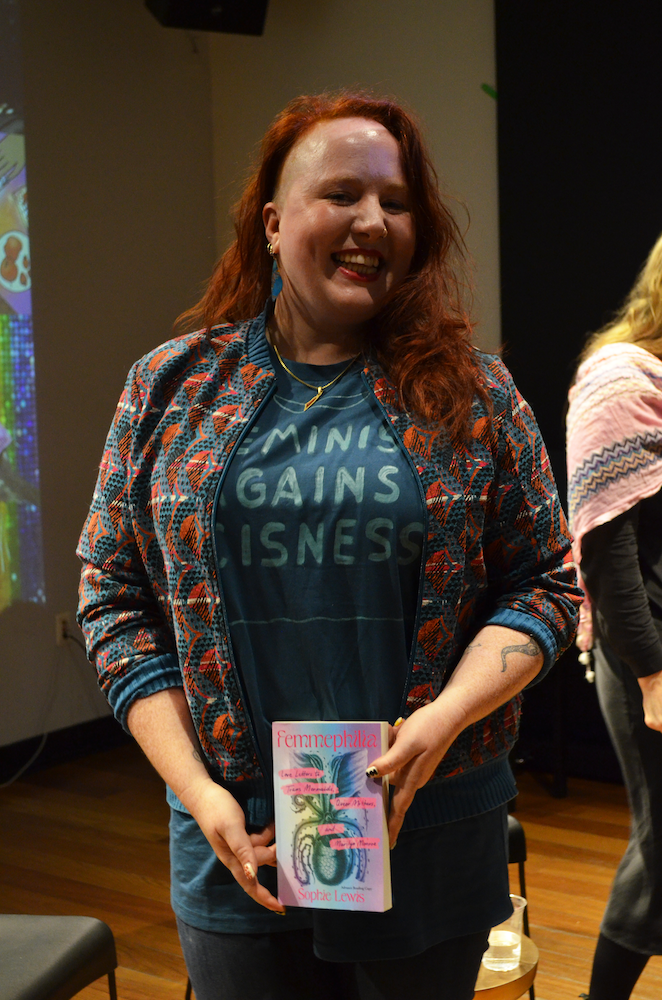
Femmephilia: Femininity Against Nature Sophie Lewis in conversation with Emma Heaney
Performance Studies welcomed Sophie Lewis on the occasion of their new book Femmephilia: Femininity Against Nature, in conversation with Emma Heaney. Moving between humor and rigor, much like Sophie’s work itself, the discussion unfolded as a lively challenge to familiar assumptions about femininity, reproduction, and affect. Lewis’s presentation unfolded through energetic slides and collages drawn from feminist thinkers and their critics alike. “Disgust as a mobilizing affect for racism,” Lewis noted, drawing attention to how emotion itself can become political infrastructure against feminism. The evening brought together theory, laughter, and the productive trouble of thinking femininity together.
Read More. -
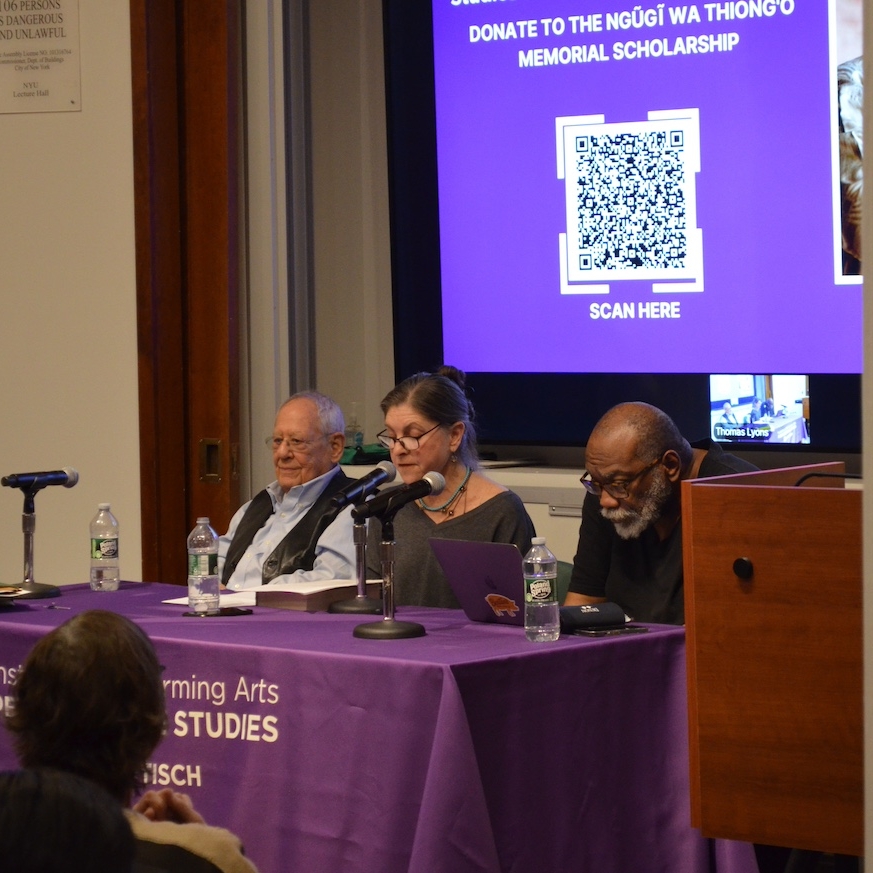
Ngūgī wa Thiong’o Memorial Roundtable: An Appreciation by Richard Schechner, Fred Moten and Barbara Browning
Performance Studies gathered for the Ngũgĩ wa Thiong'o Memorial Roundtable to honor the life and legacy of Ngũgĩ wa Thiong'o, a novelist, playwright, theorist, and revolutionary of language. Fred recalled how extraordinary it was simply to be in Ngũgĩ’s presence, reflecting on how rare it is for meeting one’s hero to live up to the magnitude of their work. As he put it, “getting to know him is knowing his work first," a reminder that Ngũgĩ became heroic through the way his writing lived. He spoke of Ngũgĩ’s “attentiveness and care,” of abolition and building as impulses that “cannot survive without one another,” especially within anti-colonial struggle. This “return to place you haven’t been before” is to renew, to change, never from detachment, but from deep social involvement. Richard reflected on bringing him to NYU in the 90s, recalling the “tragic and angry” beauty of I Will Marry When I Want, and how Ngũgĩ could inhabit multiple points of view. “The novel is always a story being told,” he said, “theatre is a life being lived,” one group addressing another. Barbara traced the arc of his literary transformation: from Victorian realism to Marxism in A Grain of Wheat, to writing in Gikuyu and translating himself, an act that led to imprisonment. Reading excerpts from Wizard of the Crow, she asked what it means for a novel to be performative, for a fictional narrative to animate an imaginary country so fully that its characters feel arrestable, alive. It was a memorial and a call forward. The evening helped launch a scholarship fund in his name, ensuring that his commitments to language, collectivity, and anti-colonial imagination continue to shape generations to come.
Read More. -
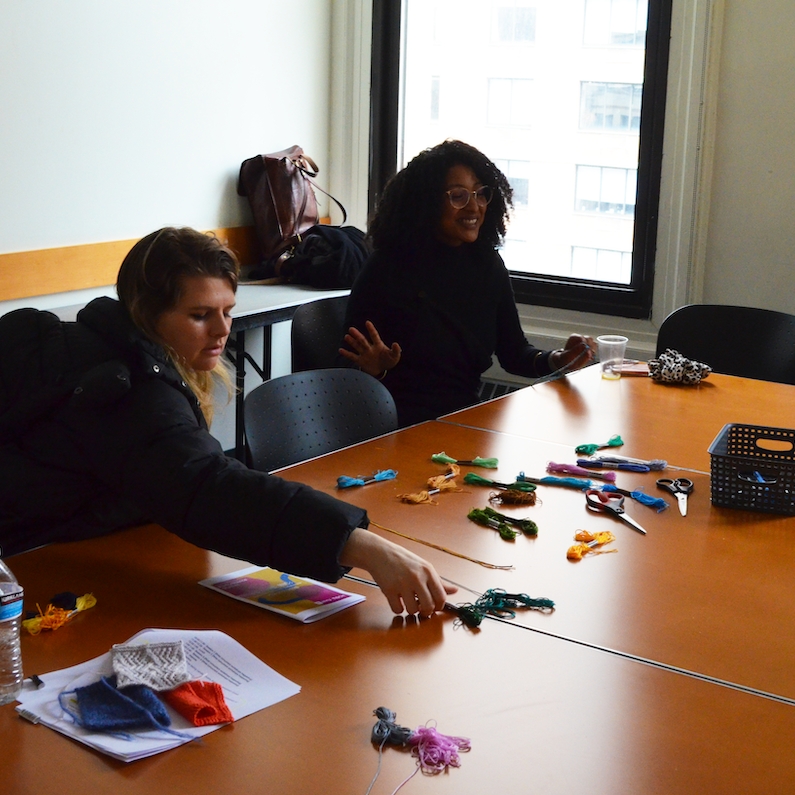
PRAXIS, INC: 2026
This year's program included sessions by: Atlas Akeem Ali (B.A. '19), Alex Belluck (M.A. Student), Taylor C. Black (Ph.D. '26), Melia Chendo (M.A. Student), Dr. D. Elizabeth Cohen (M.A. '76), Jameel Amir Finch-Martin (M.A. Student), Sarah Guilbault (M.A. '21), Amanda Krische (M.A. Student), Eva Margarita (M.A. '20), Raven Malouf-Renning (M.A. ‘25), Joey Mauro (M.A. '24), Noah Ortega (M.A. '16), Denisse Griselda Reyes (M.A. Student), Mateo Rodriguez-Hurtado (M.A. '20), Savyon Vaknin (Ph.D. Student, M.A. '24), and Nicki Yost (M.A. '25). Our keynote was delivered by Joshua Chambers-Letson (PS Ph.D. '09).
Read More. -
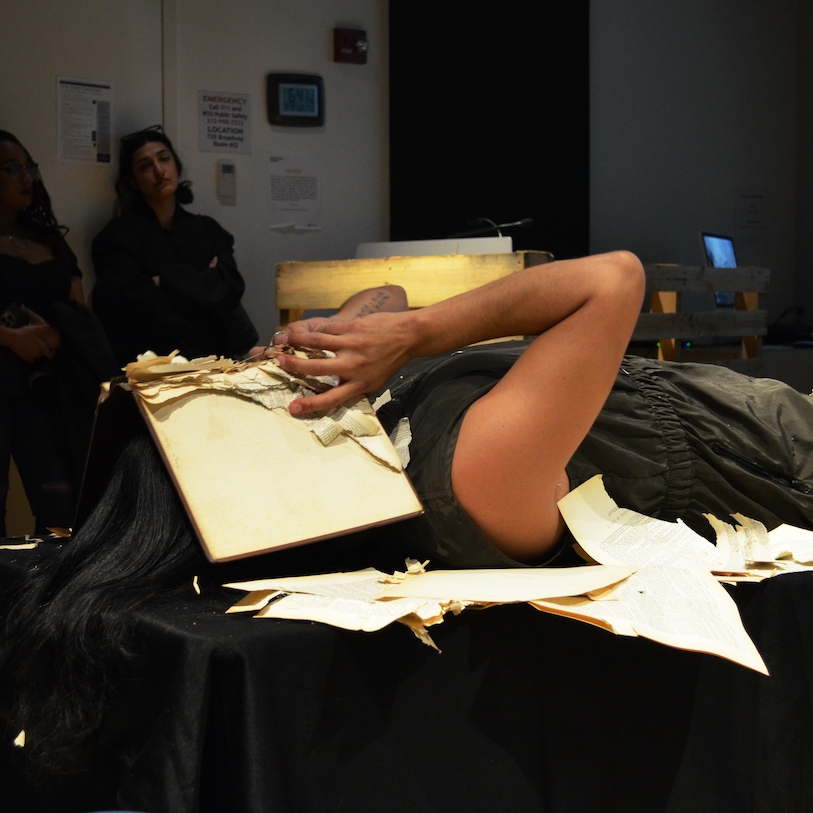
GO BACK TO WHERE YOU CAME FROM! a performance lecture by artist and visiting scholar in performance studies Emilio Rojas
Go Back to Where You Came From! A Performance Lecture by Emilio Rojas was the confluence of discourses of decolonization, migration, queerness, borders, and, and, and. Their performance lecture contaminated public space, examining the slur not as a moment, event of wounding and scarring, but an encounter of history. History that Rojas does not attempt to correct or rewrite; rather, they disorient and reorient our return to this wounding. This return, in 8 parts, considers our complicity within this non-linear “past.” Proffering, through Rojas’s exasperated, unwieldy, insistent, precarious engagement with history’s scar, a praxis of lingering with and leaning into the wound, even ritualizing this wound re-opened. Where this praxis is practiced, might also be the site where we formulate our response, redress to this harm, and encounter a semblance of something we may call healing.
Read More.