The Flesh of a Moth critiques how we have distorted our relationship with reality by obsessing over nostalgia, transforming a rare, natural emotion into a readily available form of self-medication. By fixating on the past, we diminish the value of our memories, cheapening them in the pursuit of comfort. This installation merges sculpture and photography to challenge viewers' relationship with nostalgia and memory.
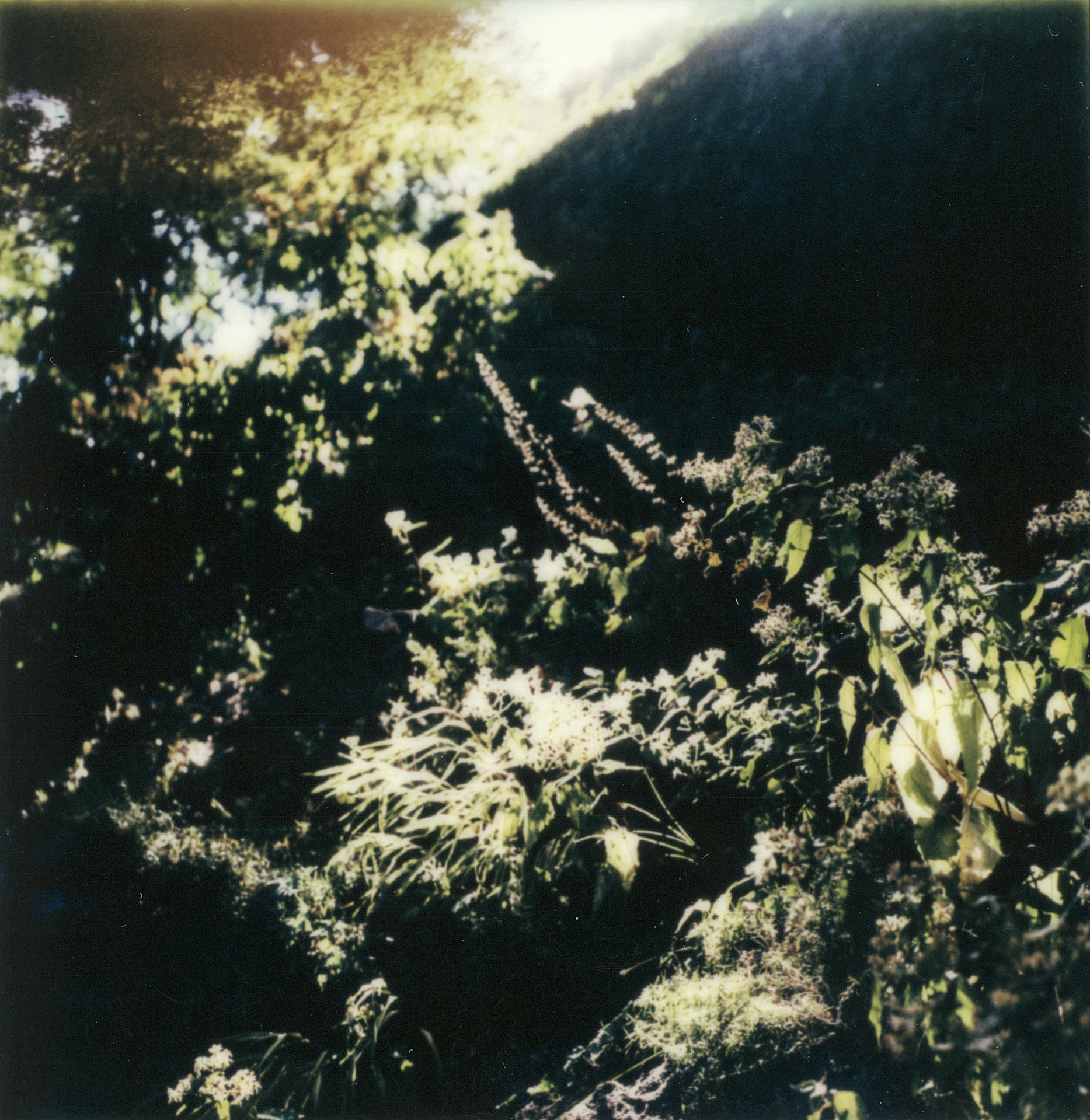
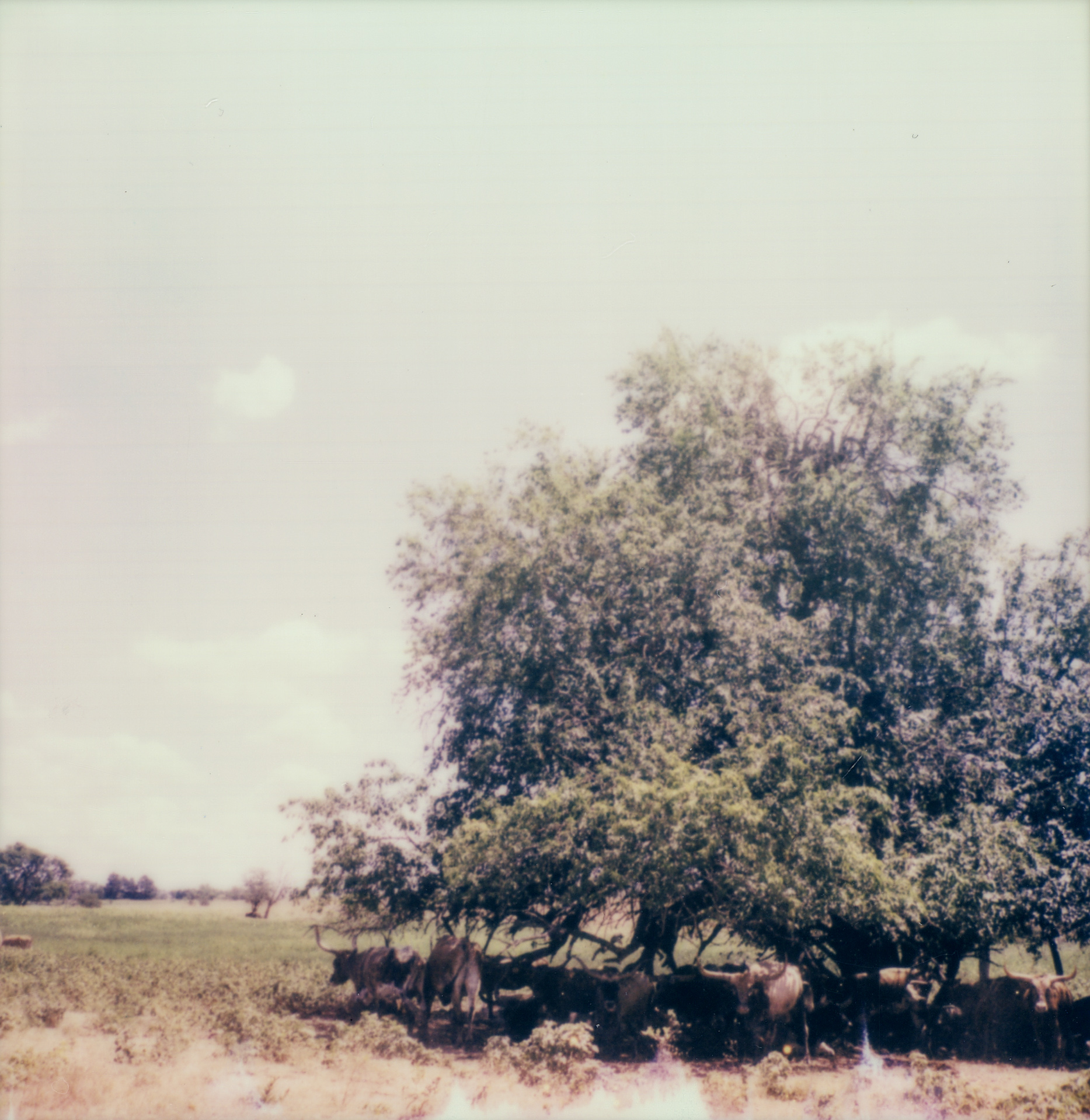
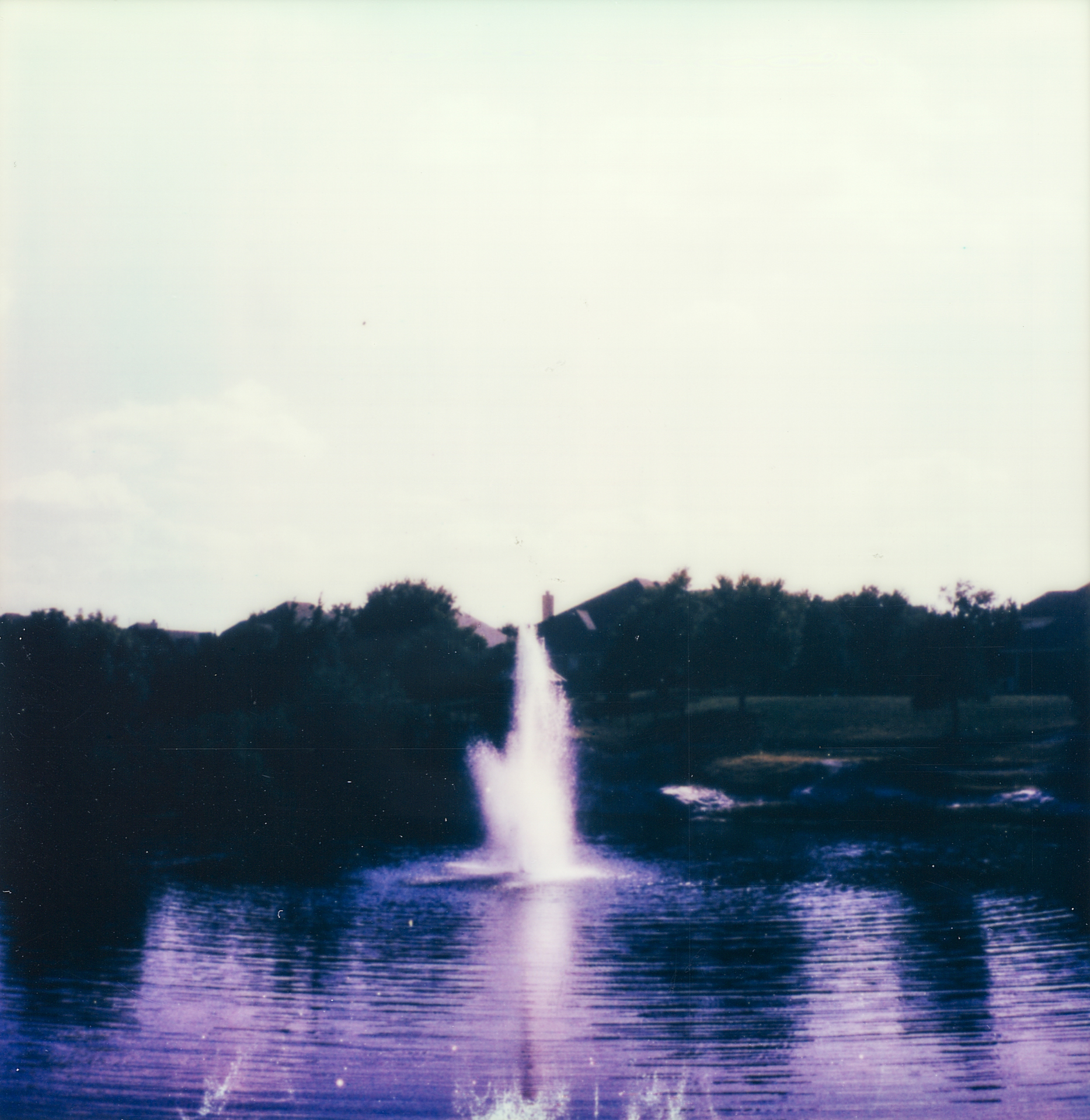
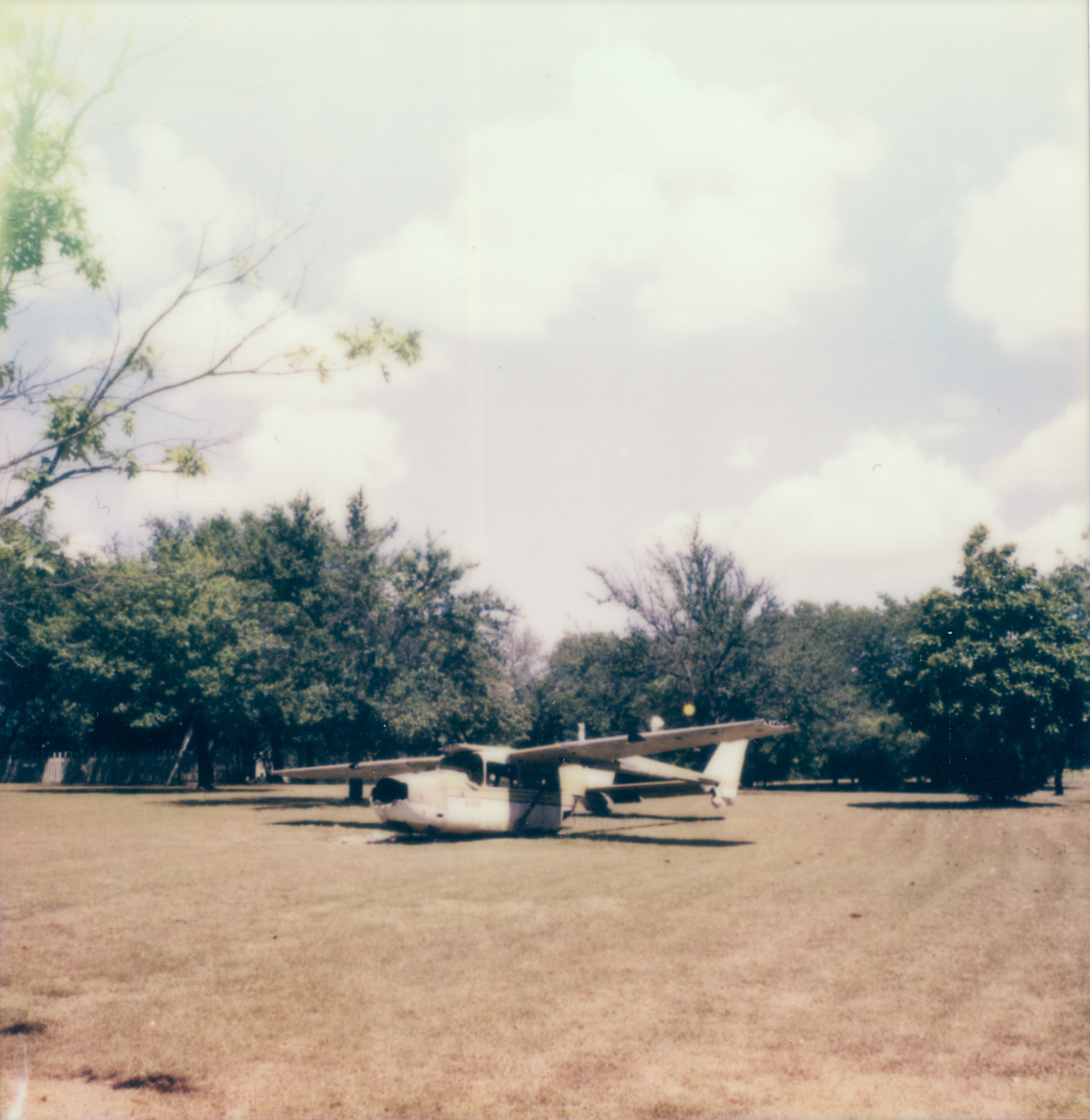
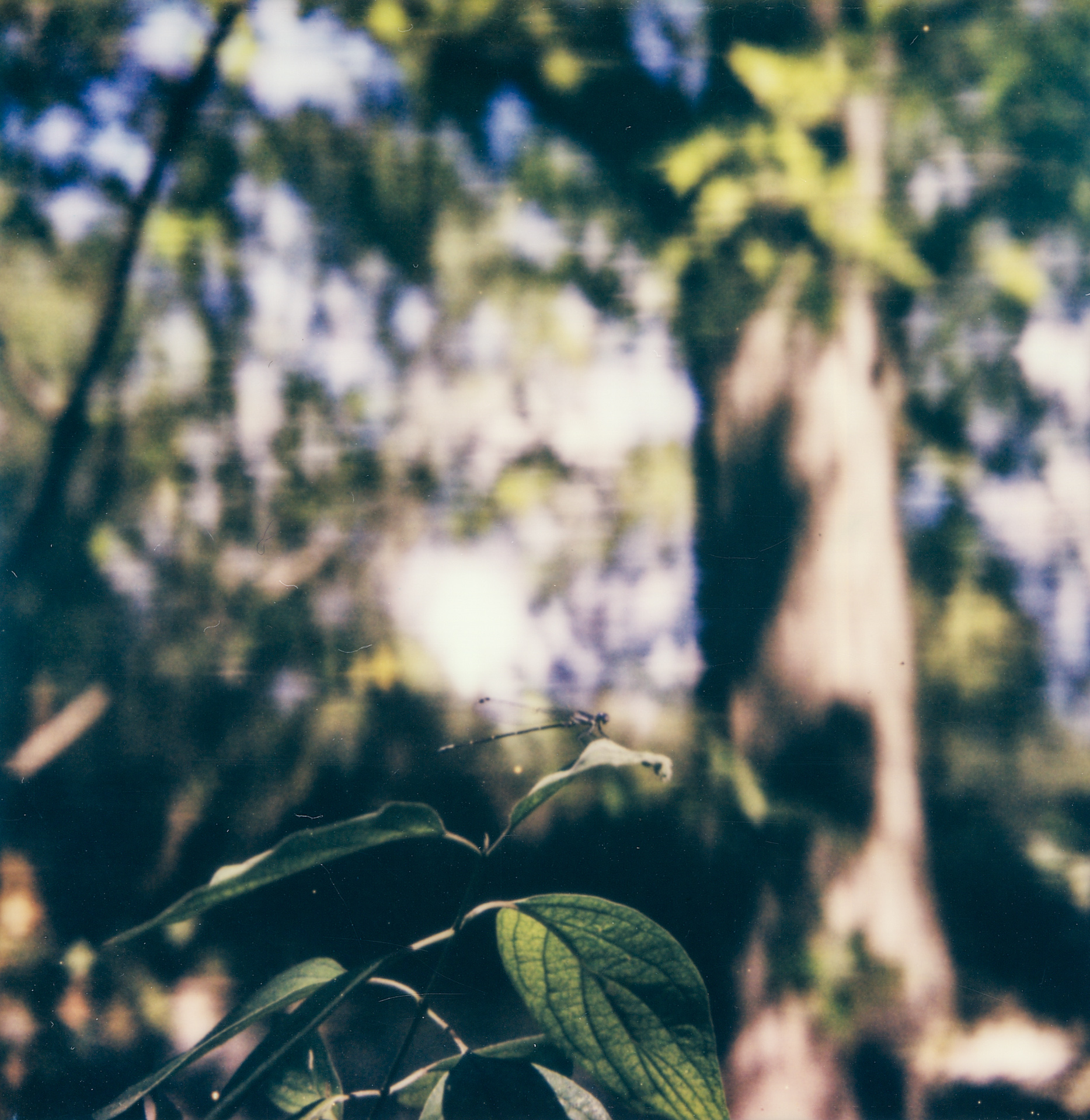
The installation features a cocoon-like form crafted from Worbla thermoplastic and handmade paper, suspended from a metal armature—a distorted mimicry of the moth’s natural cycle. The outer shell is punctured in various sections, revealing an interior layer of melted plastic embedded with Polaroids. These transparent sections, layered with Polaroid prints, are illuminated by a small LED inside, inviting viewers to gaze into the hollow core, where additional Polaroids are lodged. The Polaroids, depicting locations tied to my childhood, symbolize the fragility of memory and its fetishization through nostalgic imagery. Once genuine and spontaneous, these memories are now tokenized into a curated, idealized past.
At its core, The Flesh of a Moth challenges society’s addiction to nostalgia. It urges viewers to reflect on how their obsession with the past distorts their present reality, encouraging a reconsideration of how memories shape identity in an increasingly digitized world.