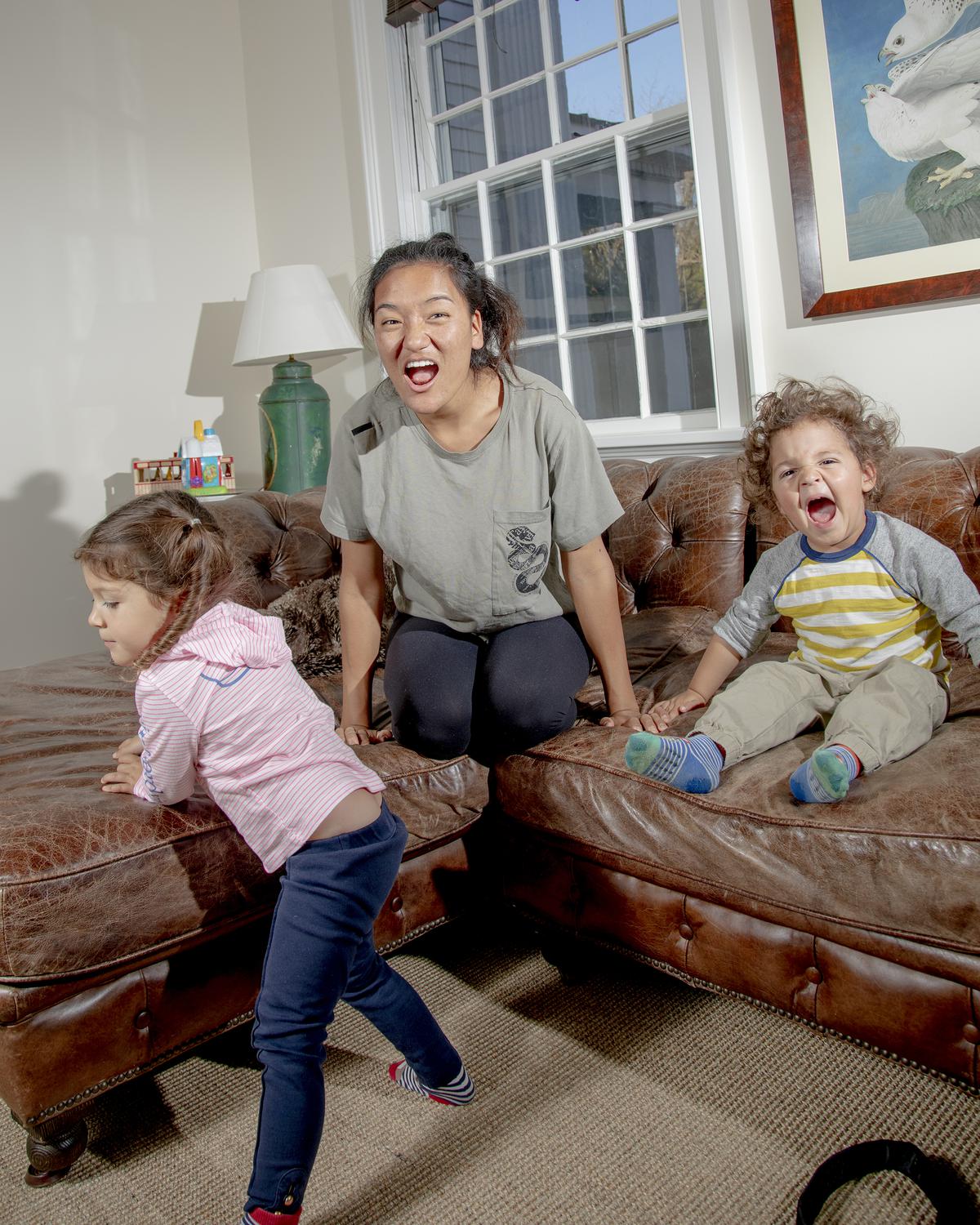
I was only seven when my family immigrated to America, but still old enough to notice that most of the women in my community worked as nannies. They often spoke about the milestones of their jinda’s pugu (employer's children) with the same pride they would use for their own children.
During our first year in America, my mother took up a live-in nannying position as well, though only for a month. As young as I was, I couldn’t understand why she was leaving our family to take care of another.
In the following years, anytime someone my family knew immigrated here, my mother would join her friends in listing which families were looking for new nannies. In my first year of college, I got a first-hand glimpse of the job that was so prevalent in my community when I started babysitting for disposable income. Children answering to the sound of heavily accented English in the schoolyards of neighborhoods like the Upper West Side, became a common sight.
After finding out just how many Americans’ only reference point for Tibet or Himalayan culture was this sought-after commodity, I knew I needed to explore further. Existing online articles also linked their preference for these nannies with the favorable stereotype of being kind and patient caregivers due to their Buddhist background.
Using my position as a photojournalist, I document this small piece of the childcare world and the place that women like my mother, cousins, and aunts occupy in it. My subjects are women currently employed as nannies and the children in their care, as well as former nannies whose first jobs post immigration were working in childcare.
Follow on Instagram